The Complete Guide to Surf Camps: How to Choose One and Get the Most From It

Neptune
June 12, 2026
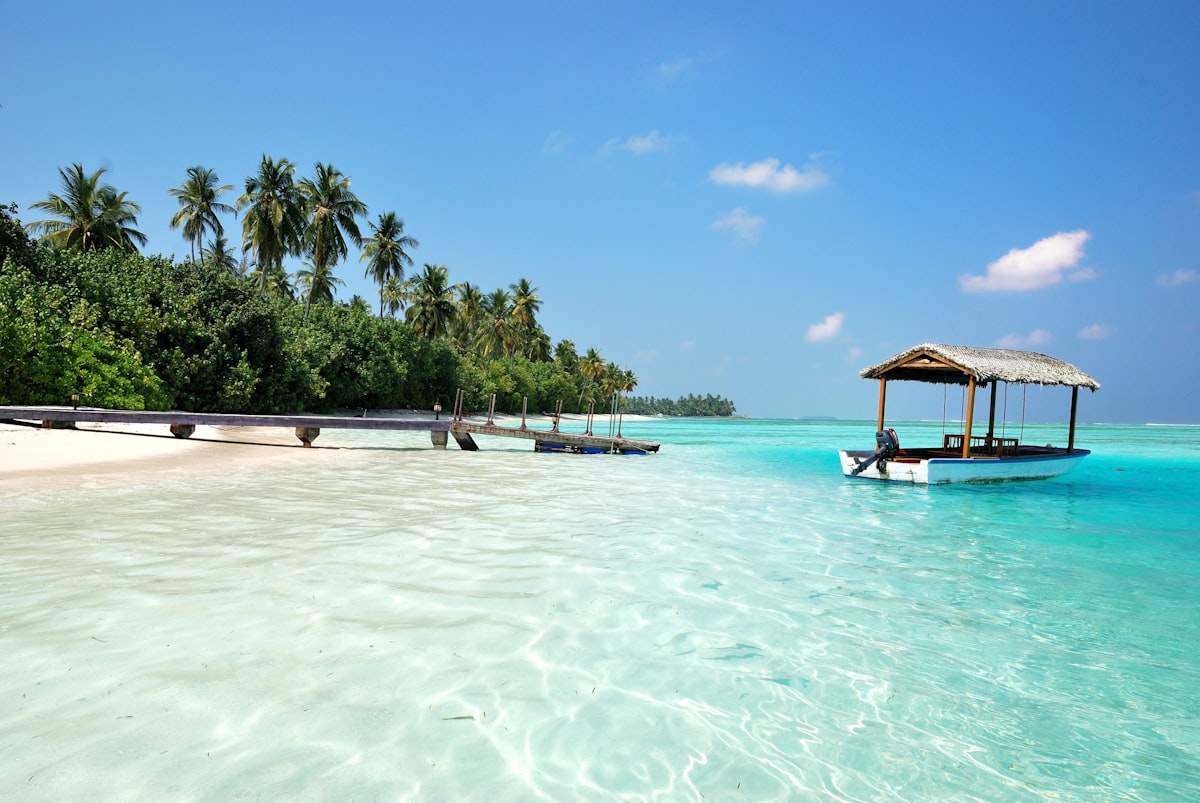
Why a Surf Camp Might Be the Best Week You Ever Spend
There's a particular kind of frustration that every self-taught surfer knows. You drive to the beach, you paddle out, you flail around for an hour, you catch one wave that feels okay, and you drive home with no real idea of what you did right or wrong. Then you repeat that, week after week, for a year — and you're barely better than when you started.
A surf camp short-circuits that loop. For a week, surfing stops being the thing you squeeze in around your life and becomes your whole day. You surf when the conditions are best, not when your schedule allows. Someone who actually knows what they're doing watches you ride waves and tells you — specifically, immediately — what to change. The board is matched to your level. The waves are matched to the board. And in the hours between sessions, you eat, sleep, talk surfing, and watch video of yourself instead of sitting in traffic.
The result is a rate of improvement that's almost impossible to replicate at home. A good week-long camp can move a nervous beginner to confidently riding green waves, or unstick an intermediate who's been plateaued for two seasons. But that outcome isn't automatic. The difference between a transformative camp and an expensive beach vacation comes down to choosing the right one — and showing up prepared to use it. This guide covers both.
What a Surf Camp Actually Is
"Surf camp" is a loose term that covers a wide spectrum, and understanding the spectrum is the first step to choosing well. At one end you have all-inclusive resorts where surf is one activity among yoga, spa treatments, and poolside cocktails. At the other you have stripped-down surf houses where eight people share bunk beds, the focus is single-minded, and the only luxury is unlimited waves. Most camps fall somewhere in between.
What nearly all of them share is a core formula: accommodation, food, surf equipment, transport to the breaks, and guided instruction or "surf guiding," bundled into one price for a fixed number of days. That bundling is the whole point. It removes every logistical decision — where to stay, where the waves are, which board to ride, how to get there, what to eat — so that all your energy goes into surfing.
Surf Camp vs. Surf Lessons vs. a Surf Guide
These three things get conflated, but they serve different surfers.
Surf lessons are for true beginners and the early stages of learning. An instructor is in the water or on the beach with you, working on fundamentals: paddling, the pop-up, catching whitewater, then catching unbroken waves. Lessons are structured and hands-on.
Surf guiding is for surfers who can already surf independently but don't know the area. A guide doesn't teach you to surf — they read the forecast, pick the right break for the day's conditions and your ability, get you there at the right tide, and keep you safe in unfamiliar water. The value is local knowledge, not instruction.
A surf camp typically packages one or both of these with lodging and food. Beginner-focused camps lean heavily on lessons. Camps aimed at intermediate and advanced surfers lean on guiding, often with video analysis and optional coaching layered on top. Knowing which you need is half the battle.
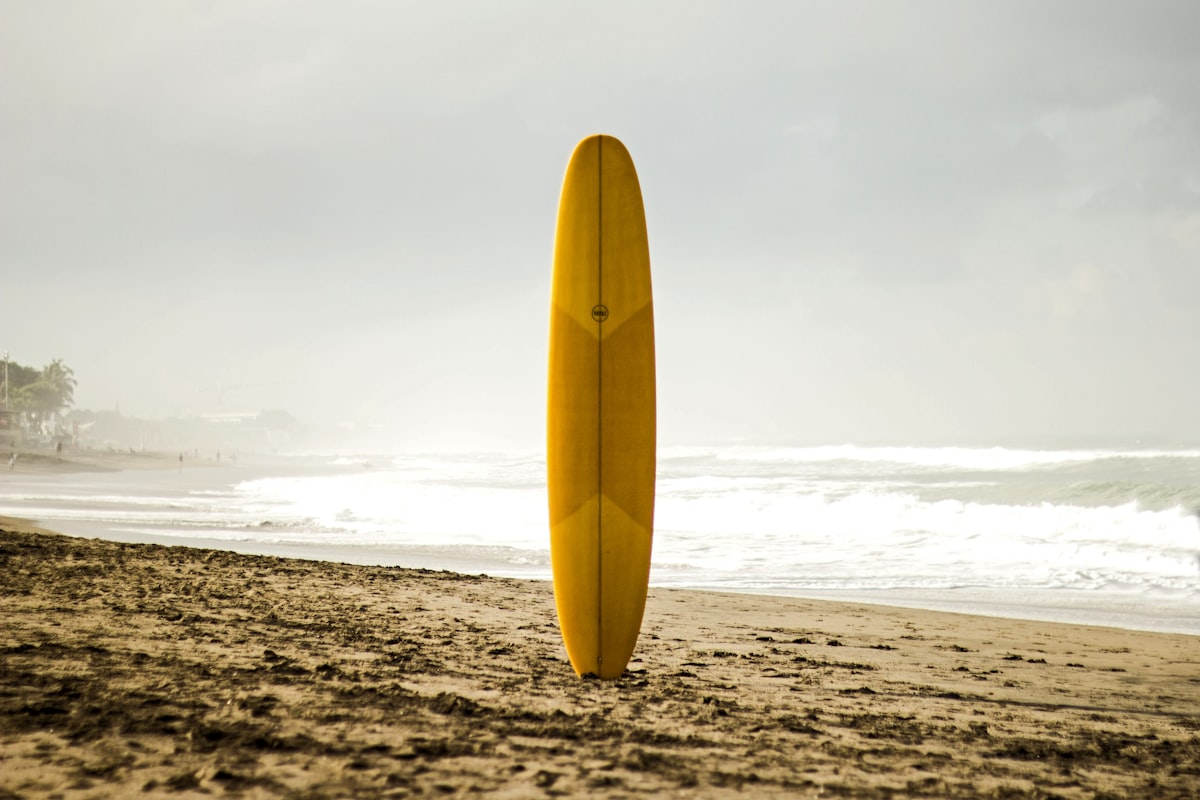
Matching the Camp to Your Level
The single most common mistake people make is booking a camp that doesn't match where they actually are as a surfer. A complete beginner at a performance-oriented camp will spend the week intimidated and out of their depth. An intermediate at a beginner camp will spend the week bored, riding foamies in waist-high whitewater. Be honest about your level, and choose accordingly.
If You're a Complete Beginner
You've never surfed, or you've had a handful of lessons and can occasionally stand up in whitewater. You want a camp built for beginners, full stop. Look for these features:
- Gentle, forgiving waves. Mellow beach breaks with sandy bottoms and long, soft whitewater. Places like the south coast of Portugal, Bali's beginner beaches, Costa Rica's Pacific coast, and Morocco's Taghazout bay are popular for good reason.
- Soft-top boards. Big, stable, high-volume foam boards that catch waves easily and don't hurt when they hit you. If a "beginner" camp is putting first-timers on hard shortboards, walk away.
- A low instructor-to-student ratio. Four students per instructor is reasonable; eight is too many. The more eyes on you, the more feedback you get.
- Structured progression. Good beginner camps have a curriculum: whitewater day one, catching green waves by mid-week, turning by the end. Ask what a typical week looks like.
Expect to be tired. Beginner surfing is exhausting because you spend most of your energy paddling and getting worked by waves. Two sessions a day is plenty; some camps wisely cap beginners at that.
If You're an Intermediate
This is the most underserved and, frankly, the most important group to get right. You can paddle out, catch unbroken waves, and ride down the line — but you're stuck. Your turns are weak, you can't read waves consistently, and you've been at roughly the same level for a year or more. Intermediate surfers gain the most from the right camp because you have enough skill to actually apply coaching, but enough gaps that the gains are dramatic.
Look for camps that explicitly offer coaching and video analysis, not just guiding. The breakthrough for most intermediates isn't more waves — it's understanding why a turn isn't working, and you usually can't feel that from the inside. Watching footage of yourself, frame by frame, with a coach pointing out that you're looking down at your feet or not compressing through the turn, is worth more than fifty unanalyzed waves.
You also want slightly more challenging waves — proper peeling shoulders, not just whitewater — and a board that pushes you a little. A camp that bumps you off your high-volume crutch and onto something more responsive can be exactly the nudge you need.
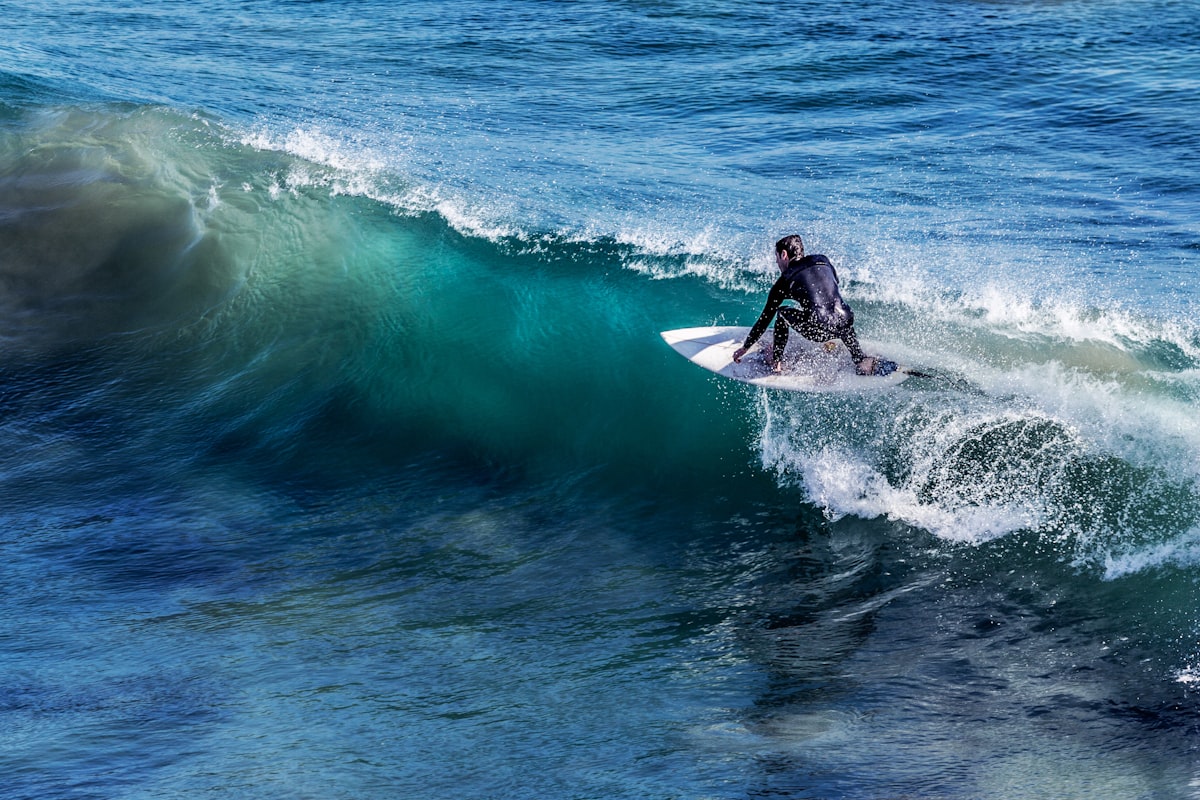
If You're Advanced
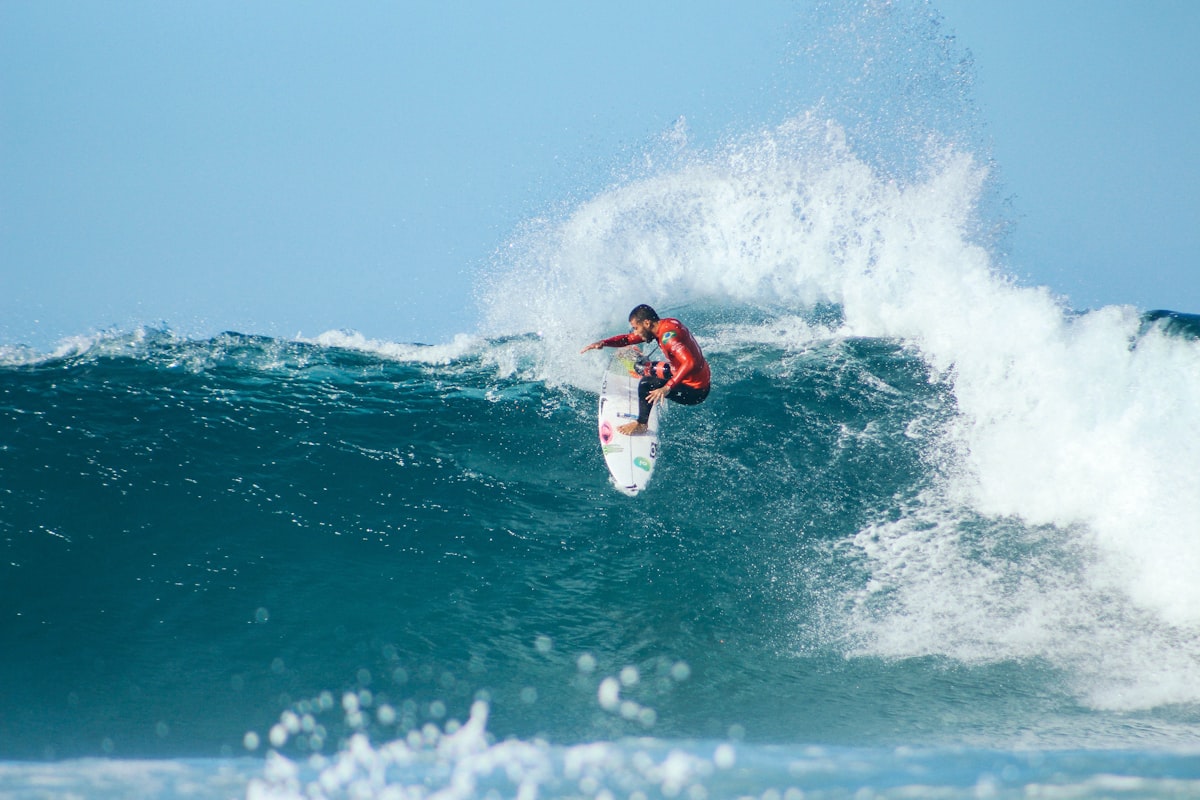
Advanced surfers rarely need a "camp" in the instructional sense, but surf-guiding trips remain hugely valuable. The pitch here is access: a guide who knows a stretch of coast intimately can put you on the best wave of your trip at the exact tide and swell window when it turns on, while everyone else is at the wrong spot. Indonesia's boat trips and land camps, the Mentawai Islands, and remote stretches of Central America are built around this model. At this level you're paying for local knowledge, logistics, and the freedom to surf hard without thinking about anything else.
How to Evaluate a Specific Camp
Working on your surfing? Get personalized tips from Neptune's AI coach.
Try FreeOnce you know your level and have a region in mind, you'll be choosing between specific camps. Their websites all look similar — sun-drenched photos, glowing testimonials, promises of transformation. Here's how to see past the marketing.
Ask About the Waves, Honestly
The most important question is whether the local waves suit your level during the season you're booking. A break that's perfect for beginners in summer can be a heavy, dangerous wave in winter. Email the camp directly and ask: "I'm a [your honest level] surfer coming in [month]. What will the typical conditions be, and is that a good match?" A reputable camp will give you a straight answer, even if it means telling you to come a different time. A camp that tells you everything is perfect year-round is selling, not advising.
Scrutinize the Coaching Credentials
"Instruction included" can mean a qualified, experienced coach with a teaching method — or a local who surfs well but has never been taught how to teach. These are completely different things. Ask:
- Are instructors certified (ISA — International Surfing Association — or a recognized national body)?
- Do they provide video analysis, and how often?
- What's the student-to-instructor ratio in the water?
- Will I work with the same coach all week, so they can track my progress?
The best coaches aren't necessarily the best surfers. They're the ones who can watch you and explain, in plain language, the one thing you should change next.
Read Reviews for Specifics, Not Vibes
Ignore reviews that just say "amazing week, great people." Look for specific, verifiable detail: "I arrived only able to surf whitewater and left riding green waves," or "the coach filmed every session and we reviewed it over lunch." Specifics indicate a real, repeatable program. Generic praise indicates a nice holiday, which is fine if that's what you want — but be clear-eyed about which you're buying. Check independent platforms and recent dates; a camp can change hands and decline.
Understand What's Included
Bundled pricing hides a lot of variation. Before booking, confirm:
- How many surf sessions per day, and how many days?
- Are boards and wetsuits included, or rented separately?
- Are airport transfers included?
- Are all meals covered, or just breakfast?
- Is video analysis included or an upsell?
- What's the refund or rebooking policy if the surf is flat all week?
That last point matters more than people realize. Surf is weather, and weather doesn't honor your booking. A good camp has a plan for flat spells — pool sessions, theory, skate, a backup break — and a fair policy if conditions collapse entirely.
What a Typical Day Looks Like
While every camp differs, a well-run week tends to follow a rhythm that's worth understanding before you go.
Mornings start early, because morning is when the wind is usually lightest and the waves cleanest. You'll often surf the dawn session, come in for a big breakfast, and then either rest or review video. Many camps run a second session in the late afternoon as the wind drops again, leaving the middle of the day — when onshore wind tends to ruin the surf anyway — for eating, sleeping, skating, stretching, or simply lying in a hammock recovering.
This structure isn't accidental. Surfing twice a day, every day, is genuinely demanding on your body, and the rest blocks are part of the training, not downtime to feel guilty about. The combination of focused surfing, real recovery, and good food is exactly why a week of camp moves the needle so much faster than a year of weekend sessions squeezed around work.
The social dimension is part of it too. You're surrounded by people obsessed with the same thing, at roughly your level, all working on the same problems. You'll learn from watching them, from the dinner-table debriefs, and from the simple confidence that comes from being in a group rather than alone in an intimidating lineup.
How to Get the Most Out of Your Camp
Choosing well gets you in the door. What you do once you're there determines whether you come home transformed or just tanned.
Arrive Fit Enough to Surf
The cruelest thing about surf camp is that the limiting factor for most people isn't skill — it's fitness. If you can't paddle, you can't catch waves, and you'll spend the week exhausted instead of learning. In the weeks before you go, build your paddling base and general conditioning. Swimming, paddle-specific training, and core work pay off enormously. There's nothing worse than finally being in perfect waves and being too gassed to catch them. (Our guides on improving paddling endurance and surf fitness without waves are a good place to start.)
Be Coachable
This sounds obvious, but ego sinks more camp weeks than bad waves do. You're paying for feedback — take it. When a coach tells you you're popping up too far back on the board, don't explain why you do it that way. Try the change. The whole reason an outside eye is valuable is that it sees what you can't feel. Surfers who treat every piece of feedback as a small experiment improve fast; surfers who defend their habits don't.
Watch Your Own Video — Really Watch It
If your camp offers video analysis, it's the most valuable thing on offer, and most people underuse it. Don't just glance at the clips and cringe. Study them. Pause on the moment your turn breaks down. Notice where your eyes are pointing, where your weight is, what your back arm is doing. The gap between how a wave feels and what actually happened is enormous, and closing that gap is how you make permanent changes instead of temporary ones.
Set One or Two Goals, Not Ten
Tell your coach on day one what you want to work on, and keep it narrow. "I want to consistently catch green waves and make my first proper bottom turn" is a great week's goal. "I want to learn to do cutbacks, floaters, snaps, get barreled, and ride a shortboard" is a recipe for working on everything and improving at nothing. Depth beats breadth. Master one thing and the rest follows.
Rest Like It's Part of the Training — Because It Is
Resist the urge to surf every possible minute. Two focused, well-rested sessions where you're actually learning beat four exhausted sessions where you're reinforcing bad habits through fatigue. Sleep, eat well, hydrate, and let your body absorb the work. The progress happens partly in the water and partly in recovery.
Common Mistakes to Avoid
A few patterns sink otherwise-promising camp trips. Steer around them.
Booking above your level out of optimism. You will not become an advanced surfer the week before you arrive. Book for the surfer you are, not the one you hope to be.
Going at the wrong time of year. The single biggest variable in whether your waves suit you is the season. Research it, ask the camp directly, and build your trip around the swell window that matches your ability — not around when it's cheapest or most convenient.
Treating it as a party trip. A few drinks with new friends is part of the fun, but the surfers who improve most are the ones who can paddle out sharp at dawn. Late nights and dawn patrols don't mix. Decide which trip you're on.
Ignoring the unglamorous stuff. Travel insurance that covers surfing, the right reef-safe sun protection, a basic first-aid plan, and knowing how to handle the local hazards all matter. The dream week falls apart fast if you fry your skin on day one or gash your foot on a reef you didn't expect.
Not continuing the work at home. The cruelest truth about camp is that gains fade if you abandon them. The week is a springboard, not a destination. Come home with notes, video, and a clear sense of what to practice, and keep surfing while it's fresh.
Bringing It Home
The real value of a surf camp isn't the week itself — it's the trajectory it sets you on afterward. You come home knowing what good technique feels like, what your specific weaknesses are, and what to work on next. That clarity is the thing you can't get from paddling out alone and guessing.
So treat the camp as the beginning, not the end. Keep the video. Keep the notes your coach gave you. Keep training your paddle fitness so the next camp — or the next good swell at home — finds you ready. And when you do go, choose honestly: the right waves for your level, the right season, real coaching over glossy marketing. Do that, and a single week can genuinely change the surfer you are for the rest of your life.
Wherever you go and whatever your level, the same principle holds that holds everywhere in surfing: the surfers who improve fastest are the ones who get specific feedback, apply it deliberately, and keep showing up. A surf camp is simply the most concentrated dose of all three you can buy.
Want personalized coaching on your surfing?
Neptune's AI coach can help you improve faster with personalized feedback, session tracking, and real-time conditions.