Planning Your First Surf Trip

Neptune
March 16, 2026
Why Your First Surf Trip Changes Everything
The local break starts to feel small. A clip of empty walls does the rest.
A poorly planned trip is flat spells and broken boards. A planned one can outscore months at home.
This guide covers everything you need to get it right the first time.
Choosing the Right Destination for Your Level
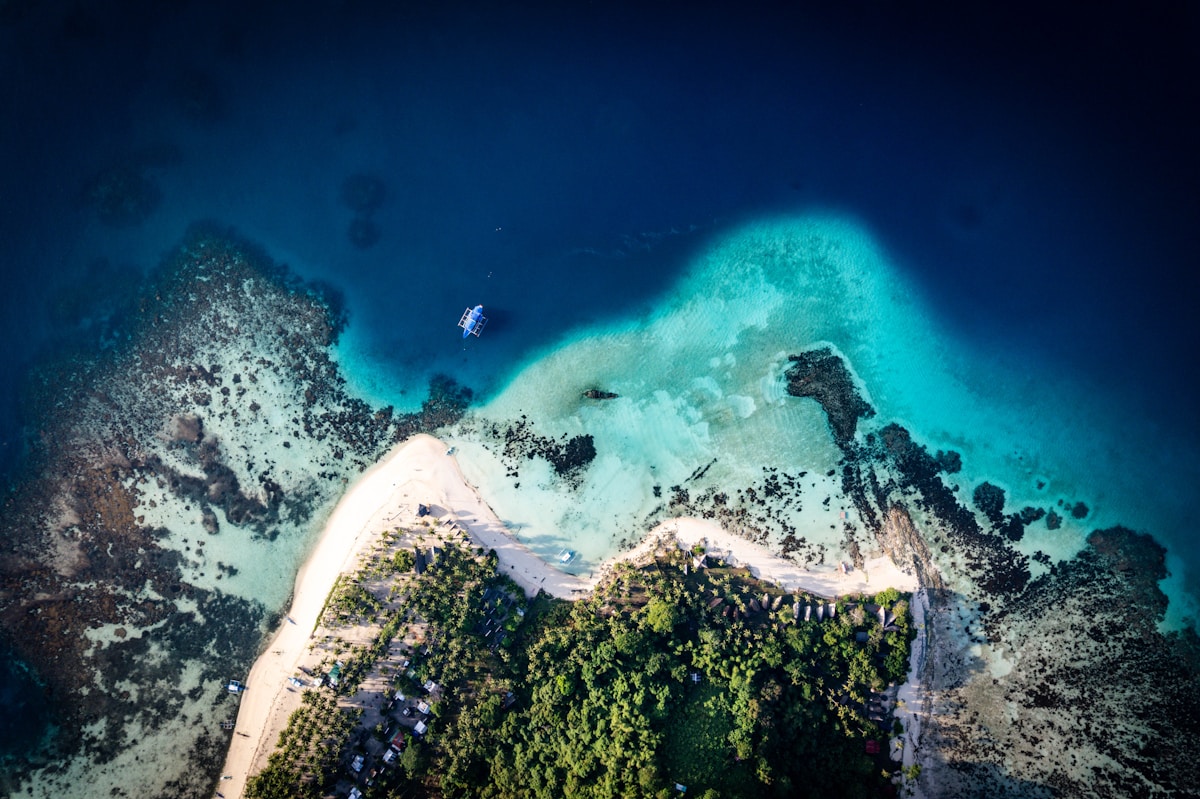
This is where most first-time surf travelers go wrong. They pick a destination based on what looks incredible in videos rather than what matches their ability. Pipeline looks amazing on Instagram, but it will eat an intermediate surfer alive. Be honest about where you are, and pick a spot that lets you surf confidently and progress.
Beginner to Low-Intermediate
If you're still working on consistent pop-ups, wave selection, and riding the face of the wave, you want a destination with warm water, sandy bottoms, gentle wave slopes, and easy paddle-outs. Think:
- Tamarindo, Costa Rica — Consistent, mellow beach breaks with warm water year-round. Great surf school infrastructure and affordable accommodations.
- Weligama, Sri Lanka — A wide, crescent-shaped bay that funnels clean, slow-rolling waves perfect for learning. November through April is prime season.
- Canggu, Bali — Multiple breaks within walking distance, ranging from beginner-friendly to intermediate. The surf culture infrastructure is unmatched — board rentals, lessons, and cafes everywhere.
- Lagos, Portugal — If you want to stay closer to Europe, the Algarve offers forgiving beach breaks, surf camps, and excellent value.
Solid Intermediate
If you're comfortable on green waves, working on your turns, and can handle waist-to-head-high surf, your options open up significantly:
- Nosara, Costa Rica — More consistent and slightly more powerful than Tamarindo. Playa Guiones delivers day after day.
- Ericeira, Portugal — A World Surfing Reserve with a variety of reef and beach breaks within a short drive. Works on multiple swell directions.
- Mentawai Islands, Indonesia — The boat-trip format means uncrowded perfection. Many charter operators offer trips specifically for intermediates, targeting the mellower breaks.
- Hossegor, France — World-class beach breaks that can range from fun and punchy to seriously heavy. Best in autumn when the swells arrive but the water is still warm from summer.
Advanced
If you're hunting barrels and want serious waves, you already know what you're looking for. But for your first trip to a heavy destination, consider going with someone experienced or booking a guided trip. Spots like Uluwatu, Teahupo'o, and G-Land demand respect and local knowledge.
Timing Your Trip: Swell Seasons Matter
The single biggest factor in whether your trip delivers is timing. Every surf destination has a season — a window where swell, wind, and weather align to produce the best waves consistently.
Booking outside that window is the most expensive mistake you can make. You might save money on flights and accommodation during the off-season, but you'll spend your trip staring at a flat ocean.
How to Research Swell Seasons
Start with the broad strokes. Most tropical destinations have a dry season and a wet season, and the best surf often (but not always) aligns with one of them. Then get specific:
- Check historical swell data. Neptune's forecast tools and other surf forecast sites let you look at average swell height and period by month — our guide on how to read a surf forecast explains what each number means. You want to see consistent swell in the range your destination handles well.
- Look at wind patterns. Swell alone isn't enough — you need favorable winds. Offshore or light winds in the morning are the standard for clean conditions. Many tropical destinations offer glassy mornings with onshore winds building in the afternoon.
- Factor in crowds. Peak swell season often overlaps with peak tourist season. If you can, target the shoulders — the weeks just before or after the prime window. You'll still get good waves with significantly fewer people.
Quick Seasonal Reference
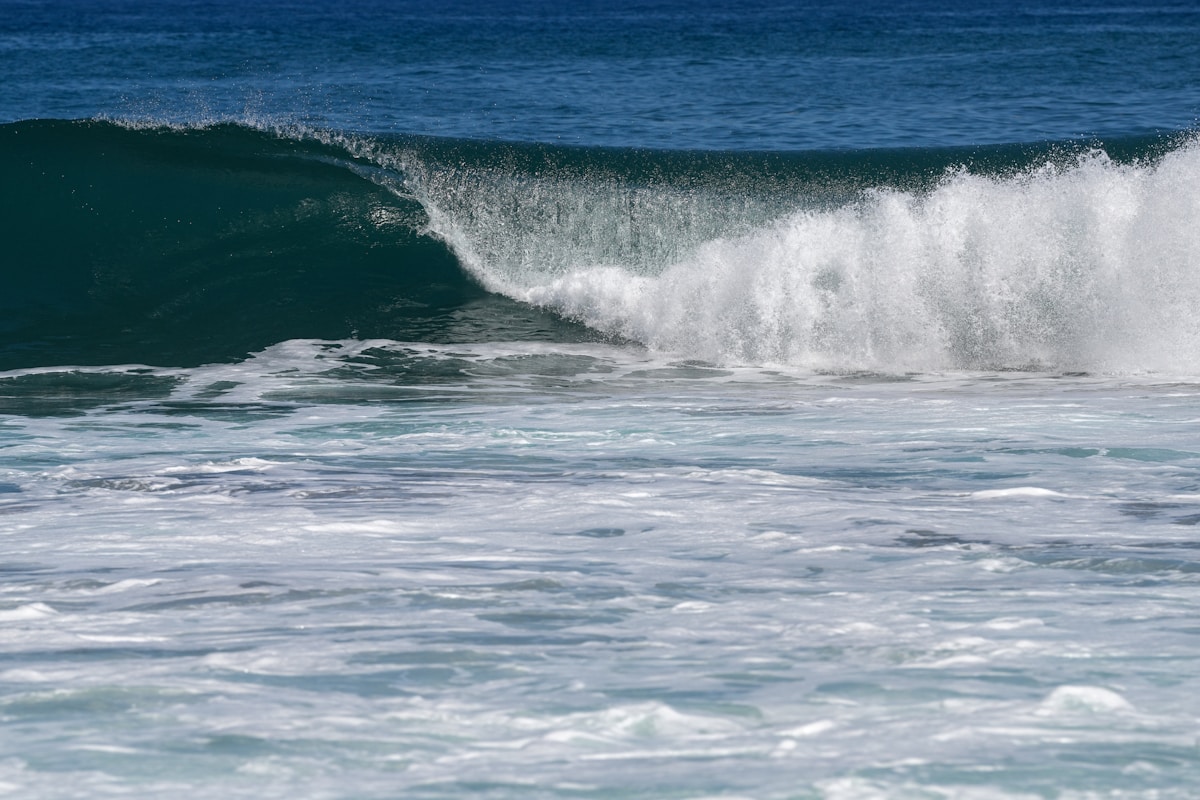
- Indonesia (Bali, Mentawais): April–October. The dry season brings consistent south swells and offshore trades.
- Costa Rica (Pacific coast): May–November. The rainy season delivers the best south and southwest swells.
- Portugal: September–March. North Atlantic swells fire consistently, with autumn offering the best balance of swell and warmth.
- Sri Lanka (South coast): November–April. The northeast monsoon season brings clean conditions and rideable swell.
- Hawaii (North Shore): November–February. The big north Pacific swells arrive, but so does every surfer on the planet.
Packing for a Surf Trip
Packing for a surf trip is a different beast than packing for a normal vacation. Get it wrong and you'll spend your trip hunting for replacement gear in a foreign country — or worse, surfing with equipment that doesn't work for the conditions.
Boards: How Many and What Kind?
For most week-long trips, two boards is the sweet spot. Bring your daily driver — the board you ride most at home — plus one alternative. If you're going somewhere with bigger, more powerful waves, bring a step-up. If you're going somewhere mellow, bring a smaller or more performance-oriented board to push your surfing.
One board is risky. Dings happen, and if your only board takes damage on day two, your trip is effectively over unless you can find a rental or repair shop quickly.
Three or more boards is usually overkill for a first trip and makes traveling significantly more complicated and expensive (airlines charge per board bag, and oversize fees add up fast).
Packing Your Board Bag
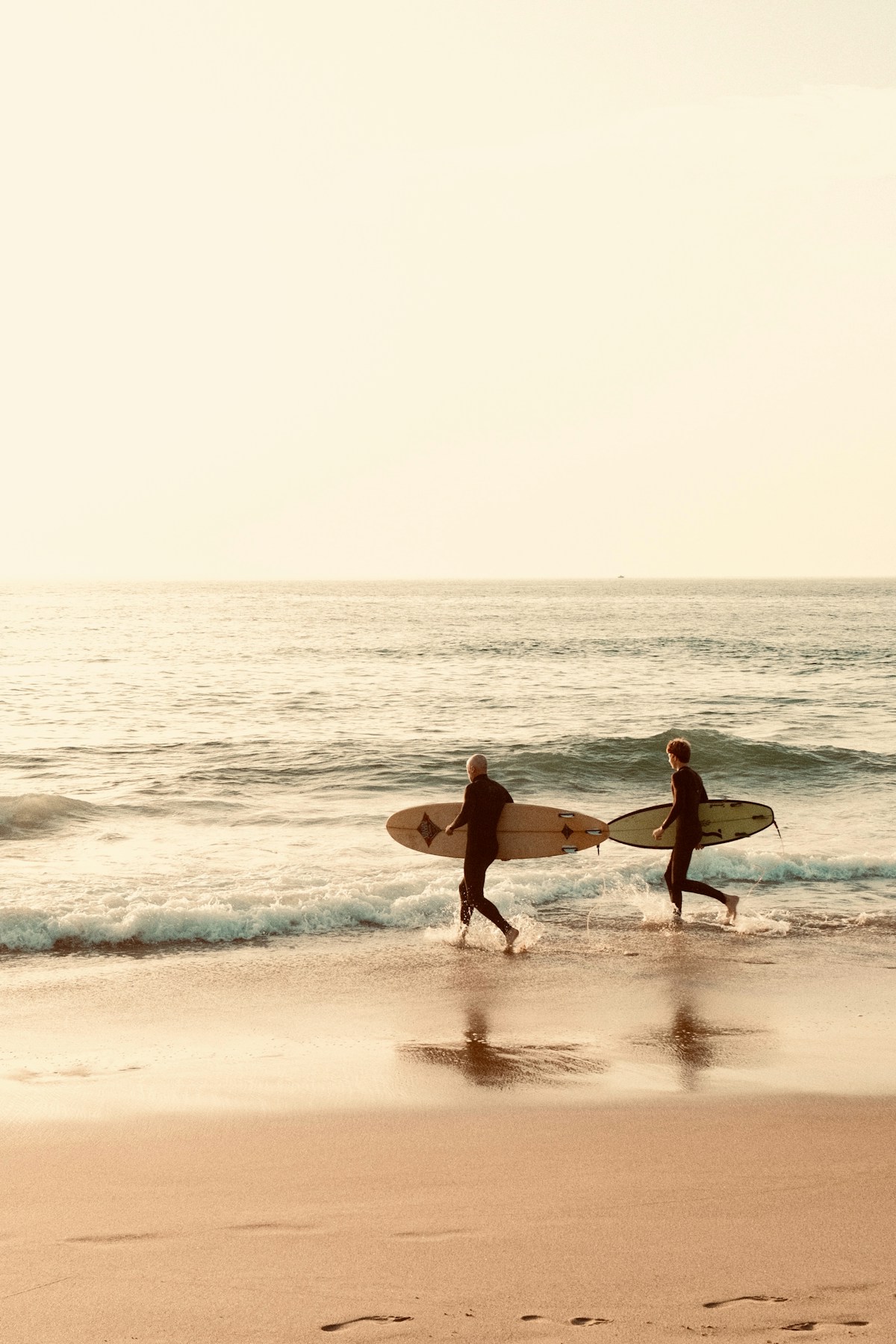
Your boards are the most fragile and most important things you're bringing. Pack them well:
- Use a padded travel bag. A proper travel board bag with internal dividers and padding is non-negotiable. Borrow or buy one — don't try to fly with a day bag.
- Wrap each board in bubble wrap or towels. Focus extra padding on the nose, tail, and rails — these are the areas most likely to get damaged.
- Put fins inside the bag but not attached to the boards. Fins poking through padding cause more dings than they prevent.
- Fill dead space with clothes and wetsuits. This adds padding and saves luggage space.
- Tape a "FRAGILE" label on the bag. It probably won't change how baggage handlers treat it, but it can't hurt.
Working on your surfing? Partner with Neptune on iPhone and Apple Watch.
Get the free appThe Non-Negotiable Packing List
Beyond your boards, here's what you absolutely need:
- Wetsuit (if applicable). Research water temperatures before you go — our complete guide to choosing a wetsuit will help you match thickness to your destination. Many tropical destinations are boardshorts-only, which simplifies things.
- Reef booties. Even if you don't normally wear them, bring them. Rocky entries, sea urchins, and sharp reef can end a trip fast.
- Sunscreen (reef-safe). You'll be in the water for hours. Bring more than you think you need, and choose reef-safe formulas — many surf destinations are actively fighting coral reef damage.
- Ding repair kit. A small solarez UV cure kit weighs almost nothing and can save a board overnight.
- Extra leashes and fin keys. Leashes break at the worst possible moments. Bring at least one spare.
- First aid kit. Reef cuts, sea urchin spines, and minor wounds are common. Bring antiseptic, bandages, and tweezers.
- Ear plugs (surfing-specific). If you're surfing in cooler water or are prone to ear issues, surfer's ear plugs are cheap insurance.
Surf Camps vs. Going Solo
For your first surf trip, you have two main options: book a structured surf camp or plan everything yourself. Both can work, but they suit different situations.
When a Surf Camp Makes Sense
Surf camps are ideal if you're a beginner to intermediate surfer, traveling solo, or visiting a destination for the first time. A good camp provides:
- Local knowledge. Guides who know which breaks work on which tide, where the currents are, and where to paddle out.
- Coaching. Many camps include daily surf instruction, video analysis, and skill-specific sessions.
- Logistics handled. Transport to breaks, meals, and equipment rental are usually included.
- Community. You'll surf with people at a similar level, which is more fun and safer than paddling out alone in an unfamiliar spot.
The trade-off is flexibility. Camps run on a schedule, and you may not always agree with the guide's call on which break to surf. You also pay a premium for the convenience.
When Going Solo Makes Sense
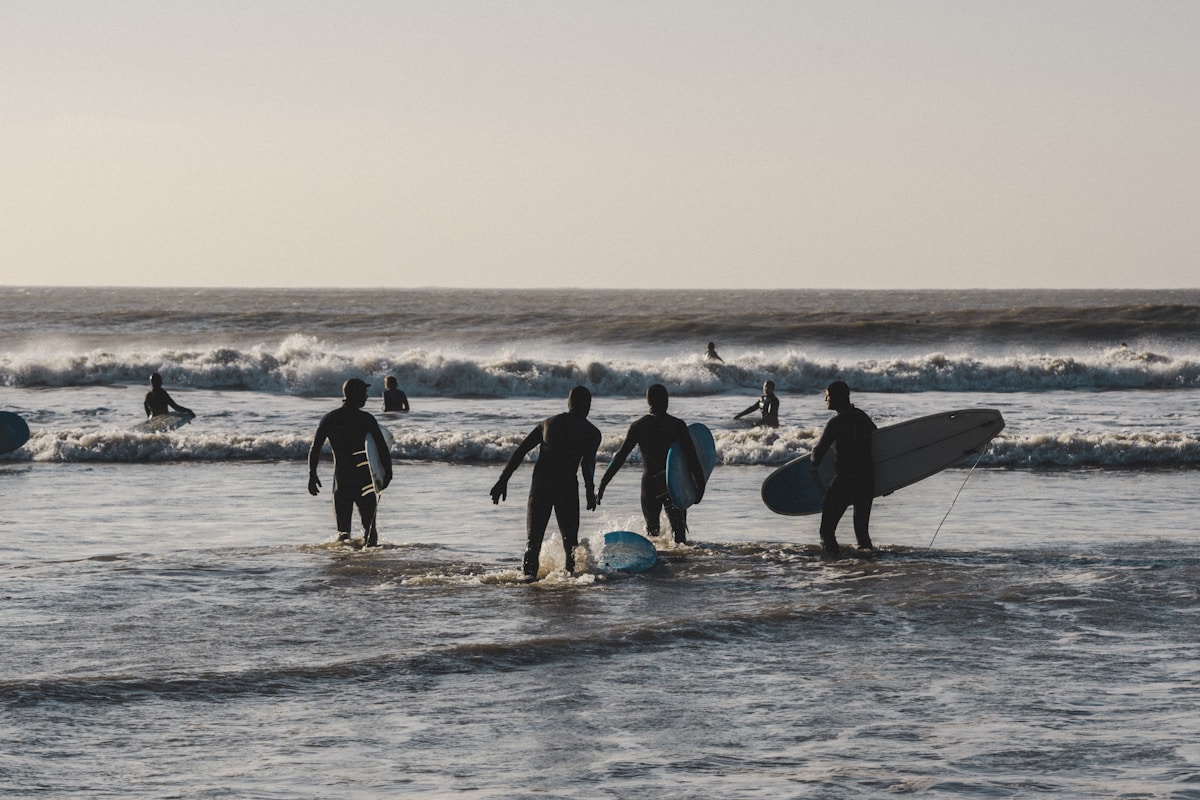
If you're a confident intermediate or above, have travel experience, and want full control over your schedule, planning your own trip can be more rewarding. You choose when and where to surf, you can chase swell up and down a coastline, and you'll often spend less money.
The keys to a successful solo surf trip:
- Research breaks thoroughly before you go. Use Neptune, surf forums, and guidebooks to build a list of spots that match your level and the expected conditions.
- Connect with locals. A friendly conversation in the lineup or at a surf shop can give you better intel than hours of internet research. Knowing surf etiquette and lineup rules goes a long way toward making a good first impression.
- Don't surf alone in unfamiliar spots. Even if you're traveling solo, wait until other surfers are in the water before paddling out at a new break. You don't know the hazards yet.
- Have a backup plan for flat days. They happen. Know what else the area offers so flat spells don't feel like wasted days.
Budgeting Your Surf Trip
Surf trips can range from backpacker-cheap to luxury-expensive. The biggest variable isn't the destination — it's how you travel.
Where the Money Goes
- Flights: Usually the largest single expense. Book early and be flexible on dates — midweek flights are often significantly cheaper. Board bag fees vary by airline from $50 to $200+ each way.
- Accommodation: Ranges from $15/night hostel dorms to $300+/night surf resorts. For a first trip, a mid-range guesthouse or Airbnb near the breaks offers the best balance.
- Food: Eating where locals eat is cheaper and often better. Budget $15–30/day in most tropical surf destinations.
- Transport: In many surf destinations, you'll want a scooter or car to reach different breaks. Rentals are cheap in places like Bali and Sri Lanka, more expensive in Portugal and France.
- Board rental (if applicable): $10–25/day in most destinations. Renting makes sense if you're flying somewhere far and don't want to deal with board bags, or if you want to try different shapes.
Sample Budget Ranges (Per Person, 10 Days)
- Budget (Bali, Sri Lanka, Nicaragua): $800–1,500 including flights from a major hub, hostel/guesthouse, local food, scooter rental.
- Mid-range (Costa Rica, Portugal, Morocco): $1,500–3,000 including flights, comfortable accommodation, eating out, car rental.
- Premium (Mentawai boat trip, Maldives, guided surf safari): $3,000–6,000+ including charter fees, premium accommodation, guides.
Staying Safe in Unfamiliar Water
Surfing in a new place carries inherent risk because you don't have the local knowledge you've built at your home break. Respect that gap.
Before You Paddle Out
- Watch the break for at least 20 minutes. Observe where waves break, where surfers paddle out, where the currents flow, and where people exit the water.
- Ask a local or a surf shop. "Anything I should know about this break?" is the most valuable question you can ask. Locals will tell you about hidden rocks, currents, and hazards.
- Check the tide. Some reef breaks become dangerously shallow at low tide. Others become unsurfable at high tide. Know what you're walking into.
- Know your limits. If a break looks bigger or more powerful than what you're comfortable with, don't paddle out. There will be other waves, other days, other breaks. There's no shame in watching from the beach.
Common Hazards at Surf Travel Destinations
- Reef. Many of the world's best waves break over sharp coral or rock reef. Reef booties help, but the real protection is not falling in shallow sections. Know the depth at different tides.
- Currents. Unfamiliar rip currents and longshore drift can put you in bad positions quickly. If you feel yourself getting pulled, don't panic — paddle perpendicular to the current, not against it.
- Marine life. Sea urchins, jellyfish, and occasionally sharks are part of the ocean. Ask locals what to watch for and how to treat stings.
- Sun exposure. Tropical sun is no joke when you're in the water for three or four hours. Wear a rashguard, reapply sunscreen between sessions, and hydrate aggressively.
Making the Most of Your Trip
The surfers who get the most out of their trips share a common approach: they prioritize water time above everything else.
Surf the Dawn Patrol
Get up early. The best conditions at almost every surf destination are in the first two hours after sunrise — light winds, glassy water, and thinner crowds. If you're sleeping in until 9am, you're missing the best waves of the day.
Surf Within Yourself
It's tempting to charge when you're in a beautiful new spot with perfect waves. Resist the urge to surf beyond your ability. Injuries happen faster in unfamiliar conditions, and a sprained ankle or reef gash on day three means the rest of your trip is spent watching from a cafe.
Progress happens naturally when you're surfing quality waves consistently. You don't need to force it.
Keep a Surf Journal
Write a few notes after each session — what the conditions were, which break you surfed, what worked, what didn't. This is useful for your own progression, and it's invaluable if you ever come back. You'll have a personal guide to the area based on real experience.
Rest Strategically
Surf travel is physically demanding. You'll likely be surfing two to three sessions a day in waves that are more powerful than what you're used to. Build in rest — a midday nap, an afternoon exploring the town, an easy stretch session. Surfing exhausted leads to injuries and bad habits.
Your Pre-Trip Checklist
Before you book anything, run through this:
- Is the destination right for my level? Be honest.
- Am I going during the right swell season? Check historical data, not just one forecast.
- Do I have the right boards for the waves I'll encounter? Research typical wave size and type. If you're still building your quiver, our guide on how to choose your first surfboard can help.
- Is my fitness where it needs to be? If you're not surfing regularly, start training at least a month before your trip. Paddle endurance and pop-up stamina matter.
- Do I have travel insurance that covers surfing? Standard travel insurance often excludes "adventure sports." Get a policy that explicitly includes surfing.
- Have I checked visa requirements and vaccination recommendations? Don't let administrative oversights derail your trip.
- Do I have a plan for flat days? Snorkeling, hiking, exploring — know what else the destination offers.
Go Book the Trip
The perfect surf trip doesn't exist — but a great one is absolutely within reach if you plan honestly. Match the destination to your level, time it to the swell season, pack smart, and prioritize water time once you're there.
Your local break will still be there when you get back. But the perspective you gain from surfing somewhere new — adapting to unfamiliar waves, navigating a foreign lineup, and discovering what kind of surfer you are outside your comfort zone — that stays with you forever.
Stop scrolling through clips and start planning. The waves are out there.
Read it. Then take it to the water.