The Art of the Stall

Neptune
May 20, 2026

The Surfer Who Goes Slower Is Often Better
The surprising difference between an intermediate and a pro is how often the pro slows down.
They wait. The lip catches up. The wave delivers a section because they let it.
That patience is a skill, not a personality trait. It is called stalling, and it is probably the least-taught fundamental in surfing. Almost every instructional video focuses on how to generate speed. Very few address what to do when you have too much of it — which, on the right wave, you almost always do.
This post is about the other half of speed control: how to slow your board down on purpose, when to use it, and how to drill the timing until stalling feels like a tool rather than a stumble.
What Stalling Actually Is
Stalling is the deliberate, controlled reduction of board speed so the wave can do something for you. That "something" is usually one of three things:
- A section catches up to you. You are out ahead of the breaking part of the wave and want to be inside it.
- The wave reshapes. A flat spot is about to bowl into a ramp, or a soft shoulder is about to stand back up.
- You want to stay in a specific zone. The nose, the pocket, the barrel — a location on the wave you would normally outrun.
In every case, stalling means you have rejected the default behavior of a planing surfboard, which is to keep accelerating until something stops it. You have chosen, briefly, to be slower than the wave's energy. That is a counterintuitive thing to do. Every instinct screams at you to keep your speed up or you will get caught.
The trick is that stalling is not the same as wiping out. A wipeout is uncontrolled loss of speed. A stall is controlled. You know exactly how much speed you are giving up, where the wave's energy is, and how you will get back on plane when you are ready. Done right, it looks effortless. Done wrong, it looks identical to a beginner getting bogged down and falling behind.
The difference is intent.
Why Most Surfers Never Learn to Stall
If stalling is so important, why doesn't anyone teach it?
The dominant narrative in modern surfing is acceleration. Pumping, pumping, pumping. The shortboard era taught two generations that the goal is to project across the face as fast as possible and explode off the lip. In that paradigm, slowing down is failure. Stalling is also hard to film — a turn looks dynamic, a stall looks like nothing is happening even though the surfer is making constant micro-adjustments. So instructors skip it.
The result is a huge population of intermediate surfers who can pop up, trim, and do a basic bottom turn — but who cannot, under any circumstances, stop their board from running out the wave. They spend their lives on the shoulder. If that sounds familiar, the rest of this post is for you.
The Four Ways to Stall
There are four primary mechanisms to slow a surfboard down without coming off it. Most surfers use one or two. The complete set is worth learning because each works best in a different situation.
1. Foot Stall (Weight Back)
The simplest stall. You shift your weight onto your back foot, sinking the tail. The board's rocker engages with the water more aggressively, drag increases, and you decelerate. On a shortboard, even a small shift — a few inches of weight migration — is enough to slow you noticeably.
This is the workhorse stall for most situations. It is fast to execute, easy to recover from, and works on any board. The downside is that it is also the stall most likely to bog. Push too hard and the tail digs in, the nose lifts, and you sink rather than slow. The wave passes you, you fall off the back. Total commitment to the front foot afterward is required to recover.
Use this when you need a small, quick reduction in speed and the wave is steep enough that the tail engaging will hold you in.
2. Drag Stall (Hand or Foot in the Face)
Reach back and put your trailing hand into the wave face. Or, on a longboard, drop your back foot off the rail and let your toes drag in the water. Either way, you have added a brake.
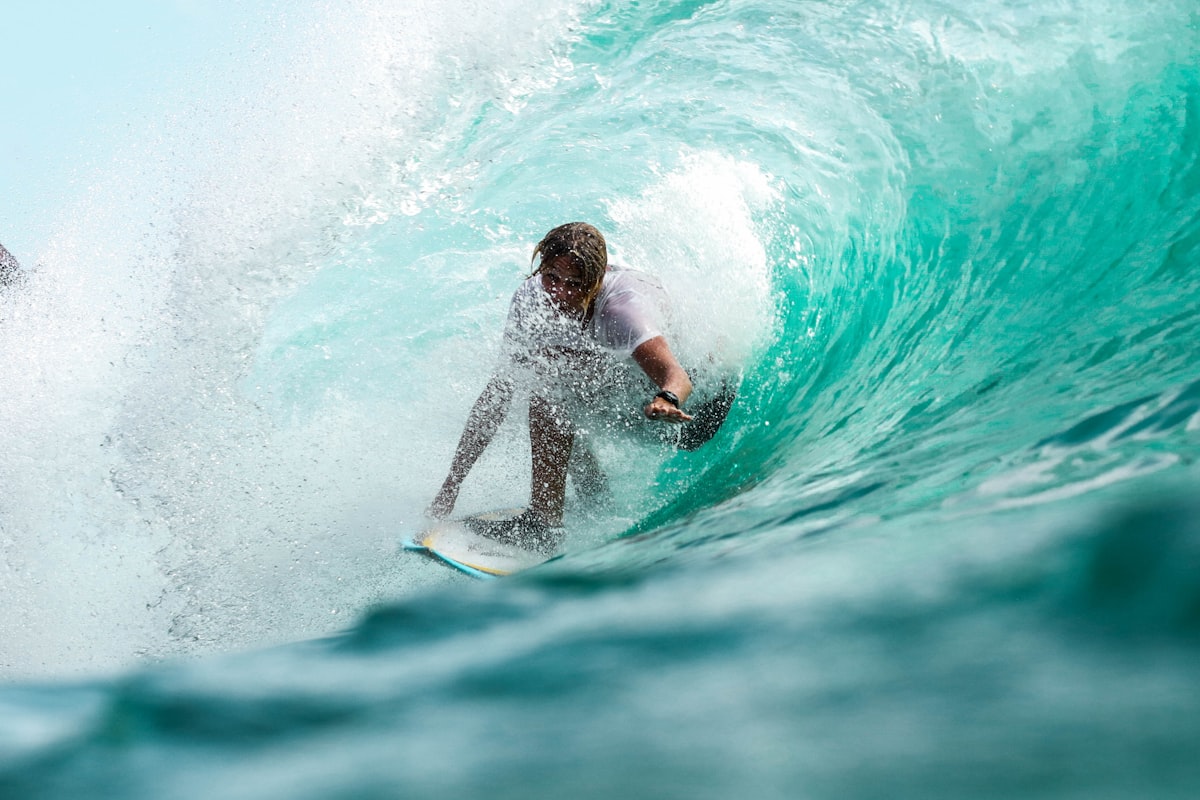
The hand drag is the iconic tube-riding stall. You see it in every classic shot of a surfer locked deep in a Pipeline barrel — their inside hand trailing in the wall, slowing them just enough that the lip lands behind them rather than out front. The hand stall is precise. You can vary the depth and the angle to fine-tune your speed in real time, in a way that pure weight shifts cannot match.
The foot drag is mostly a longboard maneuver and a setup for nose riding. By dragging the back foot, you slow the board enough that the wave's curl catches up, builds the wedge of water under the nose, and lets you walk forward without losing the pocket.
Either drag stall works best on a wave with enough face that you have somewhere to put your appendage. On a small, mushy wave there is nothing to drag against.
3. Rail Stall (Edge Engagement)
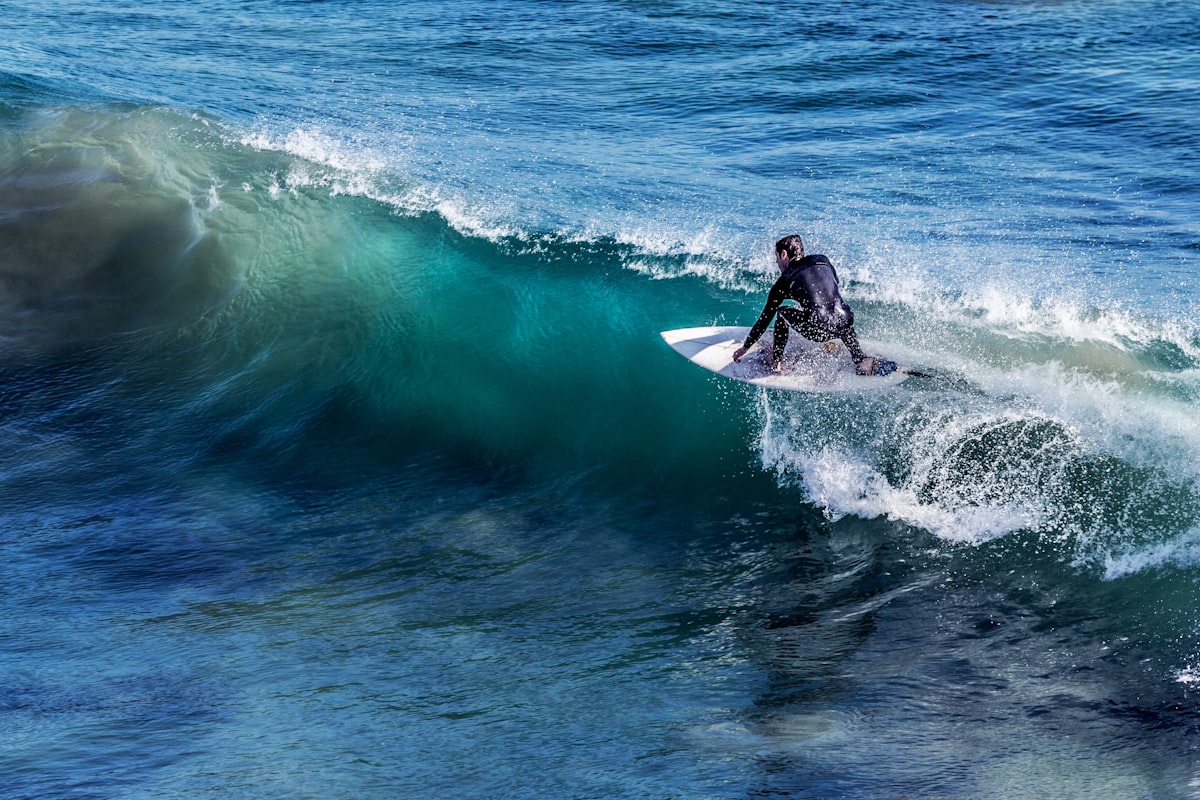
A subtler tool. Instead of weighting the tail, you bury the rail — usually the inside rail, on the wave side. The board carves slightly into the wave, which costs you some forward speed even without an obvious change in stance.
This is the stall the best surfers use most and the one most invisible to viewers. Watch a clip of someone who really knows how to surf the pocket, and you will see almost no weight transfer. Their hips and shoulders barely move. But the board's edge is constantly modulating its grip on the face, biting harder for half a second when they need to wait, releasing when they want to flow. That is rail stalling, and it is the closest thing surfing has to a sustained, drag-free brake.
Working on stalling? Partner with Neptune on iPhone and Apple Watch.
Get the free appThe catch: rail stalling requires real fluency with your board's edges. Beginners who try it usually over-rotate and rail dig themselves into a fall. It is a tool that develops naturally as your bottom turn and trim line get smoother. You will not force it.
4. Top-Turn Stall (Vertical Redirect)
The most aggressive option. You drive up the face, lay the board over near vertical at the top, and use the redirect itself to scrub speed before falling back down. A top turn done with stall intent looks almost like a snap, but the surfer holds the position a beat longer, lets the wave swallow the tail, then drops back into the pocket.
This stall doubles as a turn. You are not just slowing down — you are repositioning yourself higher on the face, which means when you come back down you are deeper, closer to the breaking part of the wave. It is how surfers turn a fat shoulder section into a barrel setup. They throw up a steep top turn that bleeds off speed and drops them into the pocket as the wave bowls.
This is also the stall that goes wrong most spectacularly when you mistime it. If the wave is not steep enough to hold you, the top turn just sends you flying out the back. A blown top-turn stall ends your wave. A blown foot stall just slows you down. Pick your tool to the consequence you can afford.
When to Stall
Knowing the mechanics is half the work. Knowing when to use them is the other half.
To Wait for a Section
The most common stall situation. You have made the drop, you are trimming across a clean shoulder, and you can see — fifty feet ahead — a section about to bowl into something you want to ride. Maybe it is going to barrel. Maybe it is going to throw a steep lip you can hit. Either way, if you keep your speed up, you will be past it before it forms.
A small foot stall, held for a one or two-second beat, lets the section catch up. As you feel the wave start to suck up under you, you transfer your weight forward and you are now in the bowl, on plane, with a usable feature.
This is the highest-leverage stall in surfing. Every good wave you watch in a video has at least one section the surfer waited for. Train this and you will catch the same number of waves you do now, but each one will produce more.
To Set Up a Tube
If your wave is going to barrel, you cannot ride it from the shoulder. You have to be inside the curl when the lip throws, which means you have to be moving slower than the lip is. On a fast wave, that is a hard sell. The lip is going as fast as you can.
The setup is the bottom turn into a stall. You take a deep bottom turn — not to project, but to bleed speed by carving long and hard. You rise back up into the pocket, drop your inside hand (a drag stall) or hold a rail stall, and the wave's curl arches over you. You ride out of it, or you do not. Either way, you got covered, which is impossible without stalling first.
To Hold the Nose
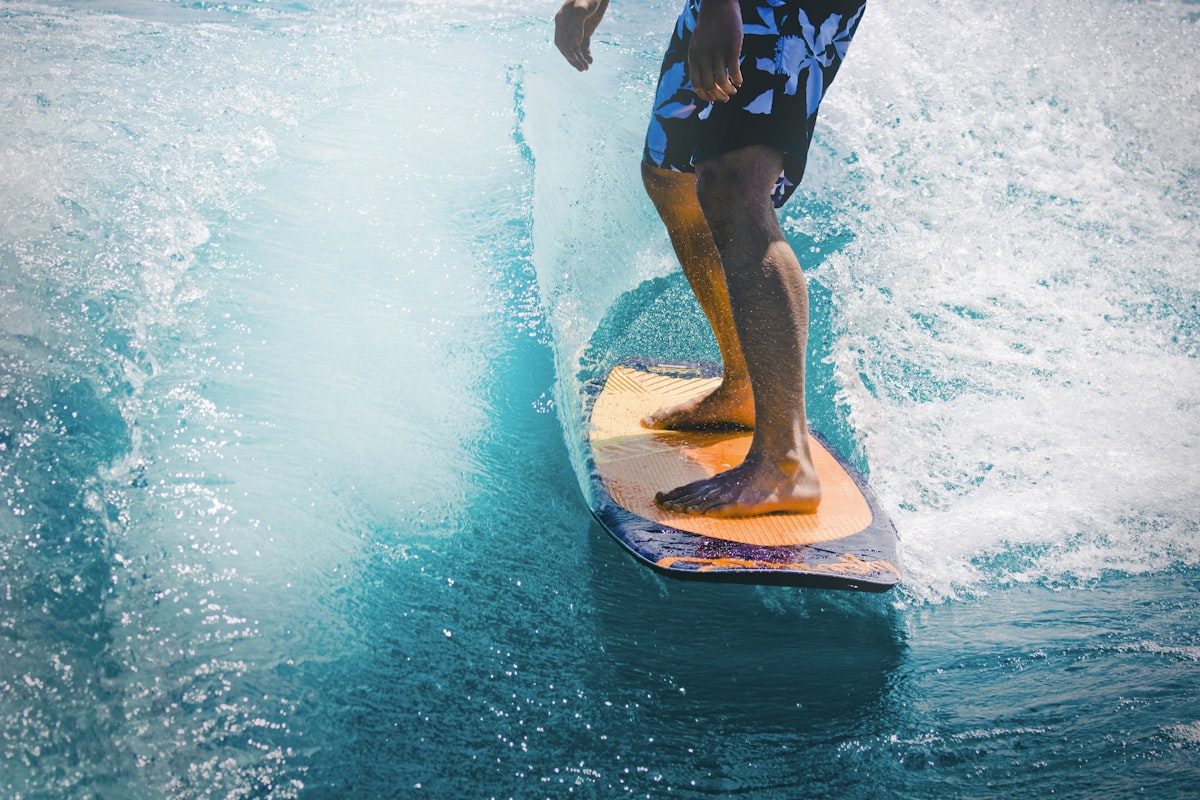
Nose riding on a longboard is a stall held for as long as you can hold it. The mechanics are slightly different — you are not slowing down per se, you are matching your speed to the wave's wedge so that you stay locked in the pocket while you walk forward. But the underlying logic is identical. Without a stall mechanism, the board outruns the wave's curl, the wedge collapses, and the nose pearls.
Most longboarders learn this intuitively. They drag the back foot, they angle the board slightly into the face, they discover by feel which combinations let them stay forward. If you are coming from a shortboard background, naming the skill explicitly speeds up the learning. You are stalling. The stall is what makes nose riding possible.
To Fade on Takeoff
A rarer but elegant move. As you take off, you angle the board the wrong way — slightly into the curl rather than down the line — and use that wrong angle as a stall. The wave's energy slams the tail, you eat a moment of vertical force, and then you flip the board back the right way and project out under the lip.
A fade gets you deeper on takeoff than you would otherwise be. It is the move surfers use at hollow reefs to put themselves immediately inside the breaking wave, rather than out on the shoulder where most of us land. It requires confidence and a steep enough wave to support it, but it is a beautiful piece of stall-based positioning.
Stalling on Different Boards
The mechanics shift depending on what you are riding.
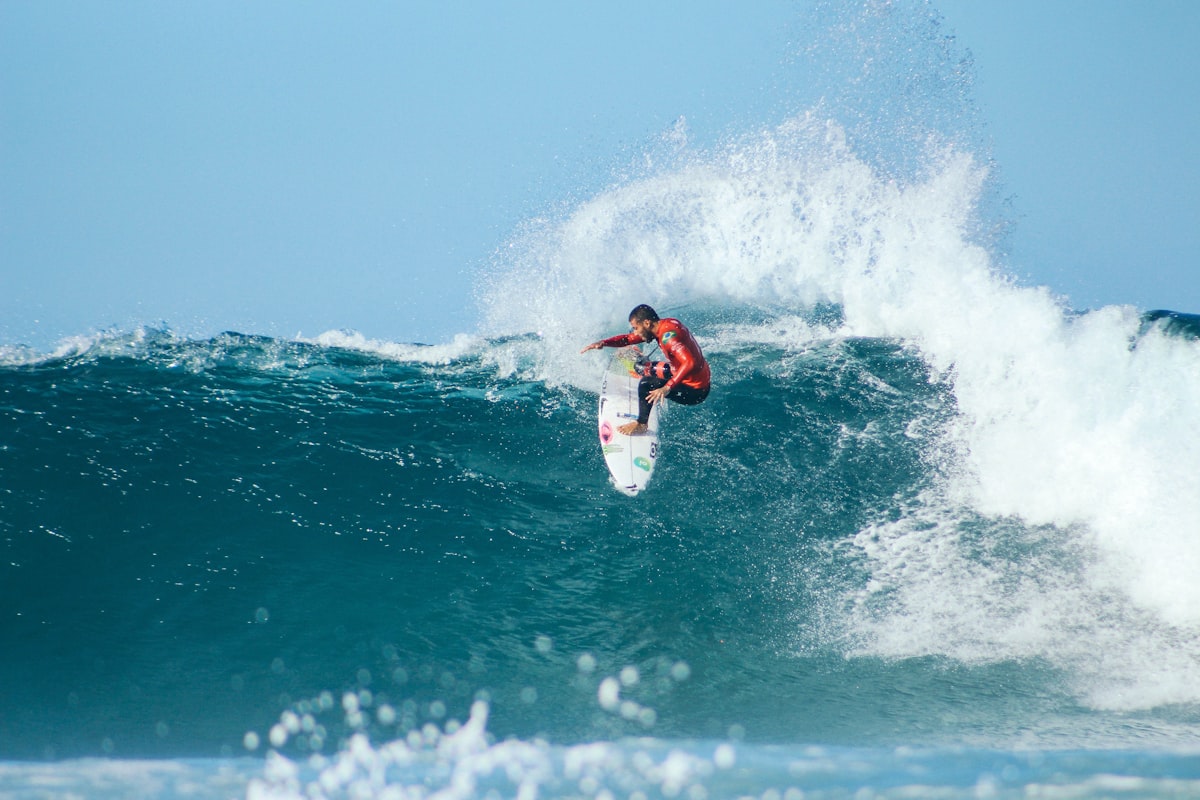
Shortboards. Foot stalls dominate. Drag stalls are reserved for tube riding. Rail stalling develops slowly as you mature on the board. The shortboard's low volume and aggressive rocker mean stalls happen fast — both into and out of the stall, you transition quickly. There is little forgiveness if you overcommit.
Mid-lengths. A sweet spot for learning to stall. The extra volume and length mean the board does not bog as easily on a foot stall, so you can experiment with bigger weight shifts without falling off the back. Rail stalls become easier to feel because the longer rail has more bite. If you want to drill stalling as a skill, a mid-length is the friendliest classroom.
Longboards. Drag stalls and weight stalls are both essential here. The board is fast in trim and will outrun most waves if you let it. Most of your time on a longboard, if you are doing it right, involves some form of stall — a fingertip in the face, a back foot off the rail, weight subtly back. You are constantly matching the wave's speed, which is almost always slower than your board's natural pace.
Soft tops and beginner boards. Honestly, do not worry about stalling. The board is too slow, the waves are too small, and the priority is building the basics. Once you are comfortably linking turns on a harder board, come back to this.
Common Stalling Mistakes
A few patterns to watch for in your own surfing.
Bogging instead of stalling. You shift your weight back, the tail sinks too far, the nose lifts, you stall the whole board out and fall off the back. The fix is smaller weight shifts. Think two or three inches of foot movement, not a full step. Your hips barely have to move.
Stalling too early. You see a section forming twenty yards ahead and slow down immediately. By the time the section actually arrives, you have already lost too much momentum and you cannot accelerate back into it. Stalling is a last-moment skill, not a planning skill. Wait until the section is almost on you, then bleed the speed.
Stalling too long. You hold the stall past the point where the section catches up, and the wave breaks behind you. Now you are on a closed-out shoulder with no speed. Most stalls are measured in fractions of a second. A one-Mississippi stall is already a long stall.
Stalling on a wave that does not warrant it. If the wave is mushy and slow to begin with, stalling just kills your ride. Stalling is a tool for waves with enough energy that you have surplus speed to give away. On a weak wave you need every drop of momentum.
Inconsistent foot pressure. You shift weight back, then forward, then back, in a kind of panicked seesaw. Pick a stall, commit to it for the beat you need, then release cleanly. Indecision is what bogs you.
Drilling the Skill
Stalling will not develop just from surfing. You have to point your attention at it for a few sessions before it becomes part of your default toolkit.
Session 1: One stall per wave. Pick a small to medium day, and on every wave you catch, force yourself to execute one deliberate stall. It does not matter if it makes the wave better — the goal is to make the action conscious.
Session 2: Stall and recover. Drill the second half. Stall briefly, then accelerate cleanly back to full speed using a forward weight transfer or a small bottom turn. The recovery is at least as important as the stall.
Session 3: Section reading. Spend a session paying attention only to what the wave ahead of you is about to do. Where is it about to bowl? Where is it about to fat out? You cannot stall meaningfully until you can predict the wave's next move.
Session 4: Stall to feature. Combine the prior three. Read the section, stall to wait for it, recover into the feature, ride it. You will mistime this dozens of times. The mistiming is the learning.
A useful piece of homework between sessions: watch surf clips on mute and spot the stalls. Even a thirty-second pro clip contains three or four. Once you start seeing them, you cannot unsee them.
Why It Matters
A surfer who only knows how to accelerate is a surfer who never spends time in the most interesting part of the wave. The pocket — that narrow zone just in front of the breaking lip — is where speed is highest, where the wave is most powerful, and where every interesting maneuver lives. Without stalling, you will spend your career on the shoulder.
With stalling, the same waves you catch now begin to produce. The clean small day you used to find boring opens up — sections to wait for, pockets to sit in, little tubes to set up. The performance ceiling of every wave rises, because you have access to its slower, deeper geometry.
This is what separates surfing that looks fast from surfing that is fast. The surfer who appears to be flying is usually the one who has just finished a stall. They positioned themselves at the exact point of the wave's maximum energy by giving up forward speed for vertical position. Then they accelerate, and to anyone watching it looks like they came out of nowhere.
They did not. They were waiting.
Read it. Then take it to the water.