Sustainable Surfing: A Practical Guide to Protecting the Ocean We Love

Neptune
May 25, 2026
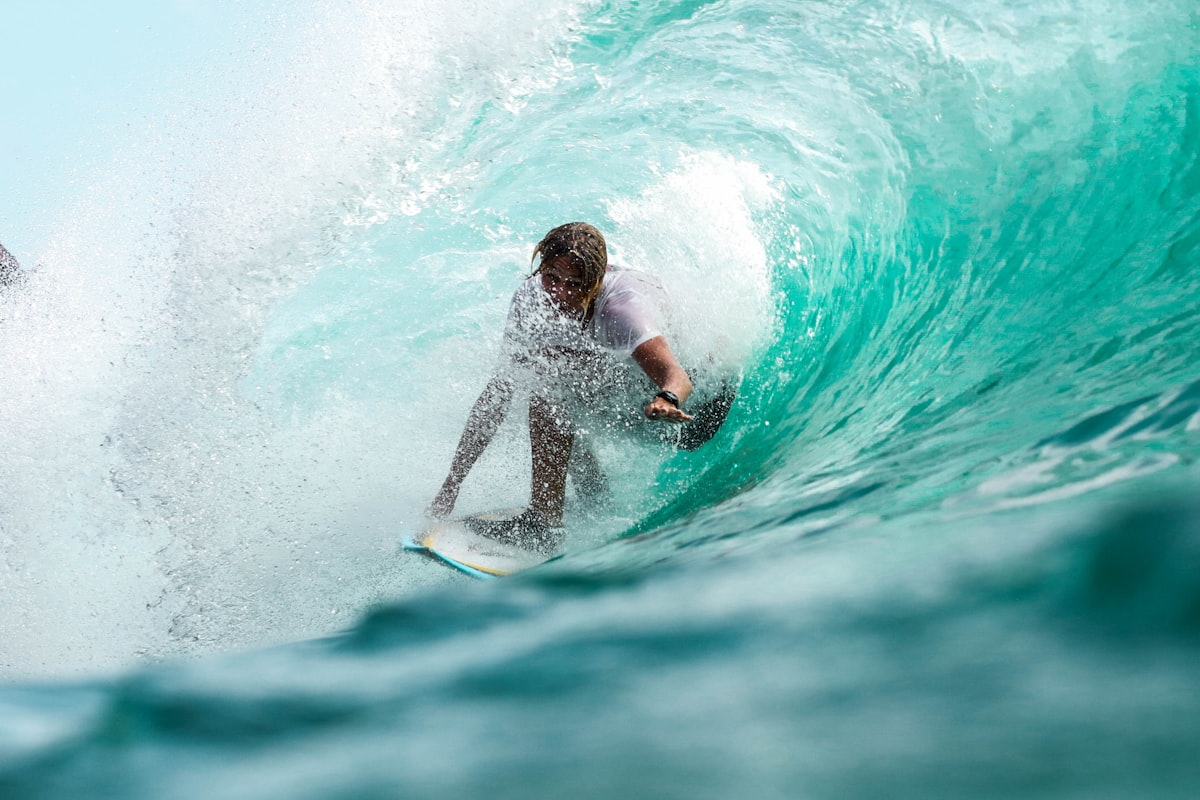
Surfers have a strange relationship with the environment. We spend more time immersed in the ocean than almost anyone else. We talk about kelp forests and reef health and water quality the way other people talk about the weather. We watch the same beaches every day and notice when something is wrong — the brown tide, the dead sea birds, the foam that should not be foam.
And yet the gear we strap to our feet, the suits we zip into, and the trips we take to find waves all carry an environmental cost that is often invisible to us. Traditional surfboards are essentially permanent petrochemical sculptures. Wetsuits are made from neoprene, a material with a brutal carbon footprint. Surf travel — long-haul flights chasing swells — is one of the most carbon-intensive recreational activities a human can undertake.
This guide is not about guilt. It is about awareness and small, durable changes that compound over a lifetime of surfing. You do not need to become a zero-waste monk to be a more responsible surfer. You just need to understand where the real impact is, and where you can quietly do better.
Why Surfers Matter to Ocean Conservation
Surfers represent a tiny fraction of the world's population — perhaps 35 million people globally. But we occupy a uniquely visible cultural position in coastal communities. We are often the first to notice ecological changes, the loudest voices when something threatens a local break, and the most credible advocates when the issue is ocean health.
Groups like the Surfrider Foundation, Save The Waves Coalition, and Sustainable Surf have leveraged that position to protect hundreds of coastlines and shift the surf industry toward better practices. When surfers organize, things change. The cultural signal you send by choosing a recycled-foam board, refusing single-use plastic at the beach, or showing up for a Saturday morning cleanup ripples outward in ways the math of personal carbon accounting does not capture.
The Real Environmental Footprint of a Surfer
To make good choices, you need an honest picture of where the impact actually comes from. The lifetime footprint of a recreational surfer breaks down roughly like this:
- Travel: 50 to 70 percent. Flights dominate the math. A round-trip from Los Angeles to Bali generates roughly 3 to 4 tons of CO2 per passenger — more than a year of driving for many people.
- Board and gear manufacturing: 15 to 25 percent. A traditional PU surfboard generates 8 to 12 kg of CO2 in production, and the foam is non-biodegradable.
- Wetsuits: 5 to 10 percent. Neoprene production is energy-intensive and most suits end up in landfills.
- Sunscreen, wax, consumables: 2 to 5 percent. Small per-purchase, but chemical sunscreens cause concentrated reef damage that punches above their weight.
If you obsess over your wax brand while flying to Indonesia three times a year, you are optimizing the wrong variable.
Eco-Friendly Surfboard Construction
The traditional surfboard is a beautiful but ecologically grim object: a polyurethane foam blank shaped by hand, then glassed in polyester resin reinforced with fiberglass cloth. Every part of that process involves petrochemicals, toxic dust, and waste material that cannot be recycled.
The good news is that sustainable surfboard construction has matured rapidly over the last decade. You no longer have to choose between performance and conscience.

EPS Foam with Epoxy Resin
Expanded polystyrene foam (EPS) is recyclable, lighter than PU, and produces less toxic dust during shaping. Paired with epoxy resin (lower VOC emissions, stronger per gram than polyester), EPS/epoxy boards are now mainstream and available from most major brands.
Recycled Blanks and Bio Resins
Marko Foam manufactures EPS blanks using post-consumer recycled material — old yogurt cups and insulation waste end up in the cores of new surfboards. Entropy Resins and Sicomin manufacture bio-based epoxy resins where 20 to 40 percent of carbon content comes from plant feedstocks. These resins perform identically to conventional epoxy.
Brands Worth Knowing
Firewire (Helium and TimberTek), Notox (France), Lost Surfboards (Light Speed), Almond, and Album have built sustainable lines worth asking about. The cost premium is usually 15 to 30 percent over a traditional board — modest given how long boards last. When you understand surfboard construction and materials, you can make informed tradeoffs.
Wetsuits: The Yulex Revolution
Neoprene has been the wetsuit material of choice for sixty years because it works extremely well. It is also one of the dirtier materials in the outdoor industry. Neoprene production typically uses petroleum or limestone feedstocks, both energy-intensive, and the polymerization process involves chloroprene — a chemical that has caused serious health problems in communities near production facilities.
Patagonia pioneered the alternative in 2008 with Yulex, a natural rubber sourced from FSC-certified Hevea trees. The result is a material with roughly 80 percent lower CO2 emissions than petroleum neoprene, while delivering comparable warmth and stretch. Patagonia, Vissla, Picture Organic, and Finisterre all offer Yulex or comparable alternatives across most price points.
Practical Tips for Wetsuit Sustainability
- Buy used. Wetsuits depreciate fast. A two-season-old suit at half price is often indistinguishable from new.
- Care for what you have. A wetsuit that lasts four years instead of two cuts its lifecycle footprint in half. Rinse in fresh water, dry inside out away from direct sun, never leave it bunched up wet. See our complete wetsuit guide for details.
- Repair, do not replace. Small tears seal easily with neoprene cement (Aquaseal, Black Witch). A $10 tube extends a suit by a season or two.
- Use take-back programs. Patagonia and Picture run recycling and resale programs that keep old suits out of landfills.
The Sunscreen Problem
This one matters even if you only surf locally. Chemical sunscreens — particularly those containing oxybenzone, octinoxate, octocrylene, and homosalate — wash off your skin into the ocean every time you surf. In high-traffic surf spots and tropical reefs, the cumulative concentration is enough to damage coral DNA, disrupt larval development, and cause bleaching. The science on this is solid and the regulatory response is accelerating. Hawaii banned oxybenzone-based sunscreens in 2021. Palau, the U.S. Virgin Islands, Bonaire, and Mexican marine reserves have followed.
Working on ocean conservation? Get personalized tips from Neptune's AI coach.
Try FreeWhat Works
Mineral sunscreens using non-nano zinc oxide are the gold standard for reef safety. They sit on top of the skin and physically reflect UV rather than absorbing it chemically. They are not as cosmetically elegant as chemical sunscreens — they leave a white cast and feel thicker — but for surfers, that is actually a feature. They stay on better in salt water.
Brands worth checking out: Stream2Sea, Manda Naturals, Raw Elements, Mama Kuleana, Avasol, and All Good. These brands are formulated specifically for active ocean use and have third-party reef-safe certifications, not just marketing claims.
What to Avoid
Be wary of any product labeled "reef safe" without specifics — there is no legal definition of the term. Check the active ingredients list. If it contains oxybenzone, octinoxate, octocrylene, or homosalate, it is not reef safe regardless of what the front of the bottle says. This is one of the most common areas of greenwashing in surf-adjacent products.
For a deeper dive into sun protection that works in the water, our guide on sun protection for surfers covers the broader strategy including hats, rashguards, and reapplication timing.
Plastic and the Surf Lifestyle
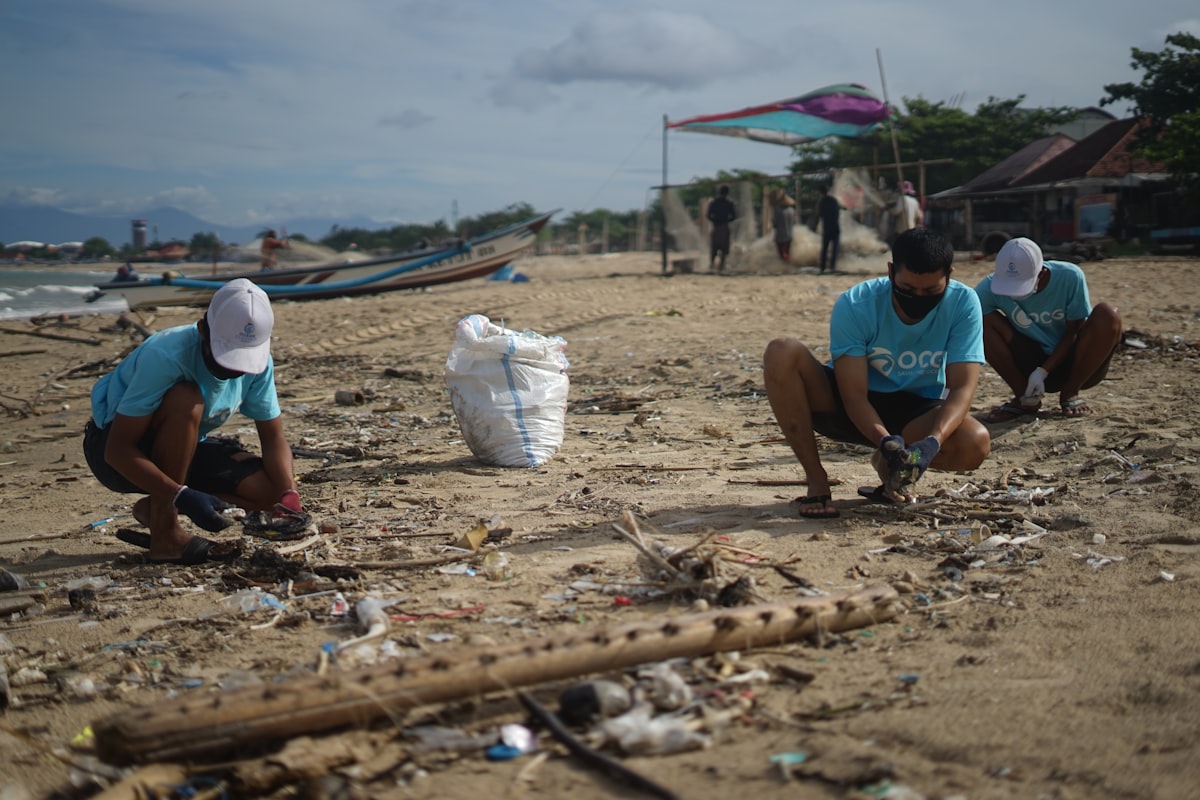
Surfing produces a surprising amount of plastic waste — wax wrappers, sunscreen tubes, water bottles, energy bar packaging, single-use coffee cups, replacement traction pads. None of it individually matters much. But surfers spend an enormous amount of time at beaches, and the cumulative impact is real.
Easy Wins
- Refillable water bottle and coffee cup. Replaces hundreds of disposables per year.
- Quality wax that lasts. Cheap wax flakes off into the lineup. Sticky Bumps Premium, Mrs. Palmers, or Bubble Gum last longer per ounce.
- Bulk sunscreen. One large tube of mineral sunscreen beats several small ones.
- Reusable padded board bag instead of the disposable one that came with your board.
- Pick up one piece of trash per session. Five sessions a week times fifty weeks is 250 pieces of plastic that did not wash back into the ocean.
Organized cleanups via your local Surfrider chapter are great, but the higher-impact habit is integrating low-grade ongoing cleanup into your normal routine. You will never feel like a hero doing it. But over twenty years of surfing, you personally remove tens of thousands of pieces of plastic from the coastline.
The Hard Conversation: Surf Travel
This is the part of sustainable surfing that nobody likes to talk about, because for most surfers, surf travel is one of the most rewarding things in life. Boat trips through the Mentawais. Pumping point breaks in Central America. Heated reef passes in French Polynesia. Cold-water adventures in Iceland or Norway.
I am not going to tell you to stop traveling. That would be both unrealistic and probably hypocritical. But here is the honest math.
A round-trip economy flight from the US West Coast to Indonesia is approximately 3.5 tons of CO2 per passenger. Your annual personal carbon budget, if humanity is to stay under 1.5°C of warming, is roughly 2 tons total — including your home energy, food, transportation, and everything else. One Bali trip blows through nearly two years of your sustainable budget.
This does not mean nobody should go to Bali. It means we should be honest about the tradeoff.
Practical Travel Choices
- Surf local more often. The cliché is true: the best wave is the one you actually surf. A lifetime of deep relationship with your local breaks beats the destination chaser's trophy count.
- Combine trips when you do travel. A two-week surf trip generates the same flight emissions as a four-day trip — but produces three times the surfing. Long trips have dramatically lower per-wave footprints.
- Support local economies. Prefer locally owned surf camps and family-run accommodation over international resort chains.
- Carbon offsets, but the good kind. Most offset programs are scams. The few that work focus on direct atmospheric removal (Climeworks, Charm Industrial) or verified forest protection (Pachama, Patch).
For trip logistics, see our guide to planning your first surf trip.
Protecting Your Home Break
The most underrated form of sustainable surfing is paying attention to and defending the breaks you already surf. Most threats to surf spots — coastal development, water quality issues, harbor expansions, fossil fuel infrastructure — happen at the local level and are won or lost based on who shows up at city council meetings.
Get Involved Locally
Find your local Surfrider chapter and attend at least one meeting a year. Subscribe to the email list of your county's coastal commission or equivalent body — they hold public meetings where development projects, water quality decisions, and beach access issues are voted on, and surfer presence matters disproportionately. Pay attention to your local water quality reports too. Most coastal areas have weekly bacteria monitoring data publicly available.
Know Your Ecosystem
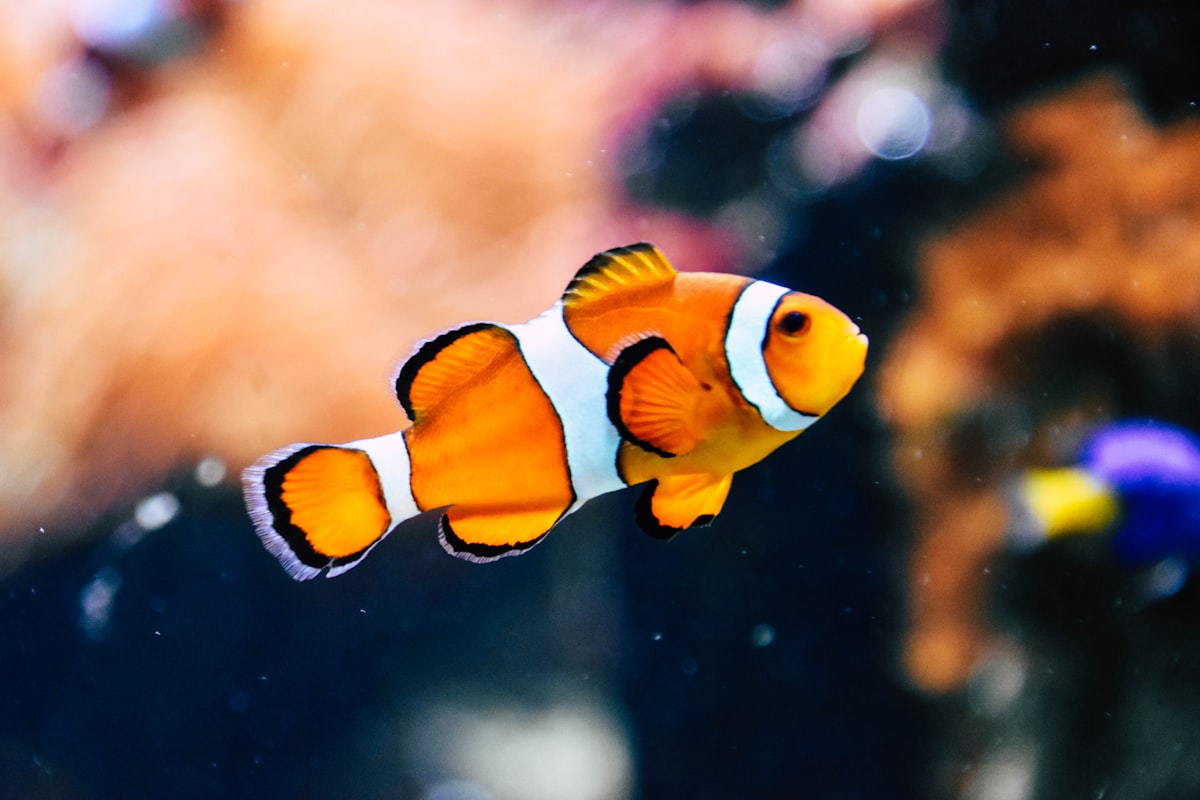
The more you understand about the kelp forests, reefs, watersheds, and species at your home break, the better positioned you are to notice when something is wrong. A few hours of reading about your specific stretch of coast gives you more local ecological knowledge than 99 percent of surfers possess. What watershed drains into your break? What does runoff look like after a storm? Which species are threatened? These are the questions that make you a real local in a meaningful sense.
Marine Life Awareness
We share the water with creatures whose lives we casually disrupt without thinking.
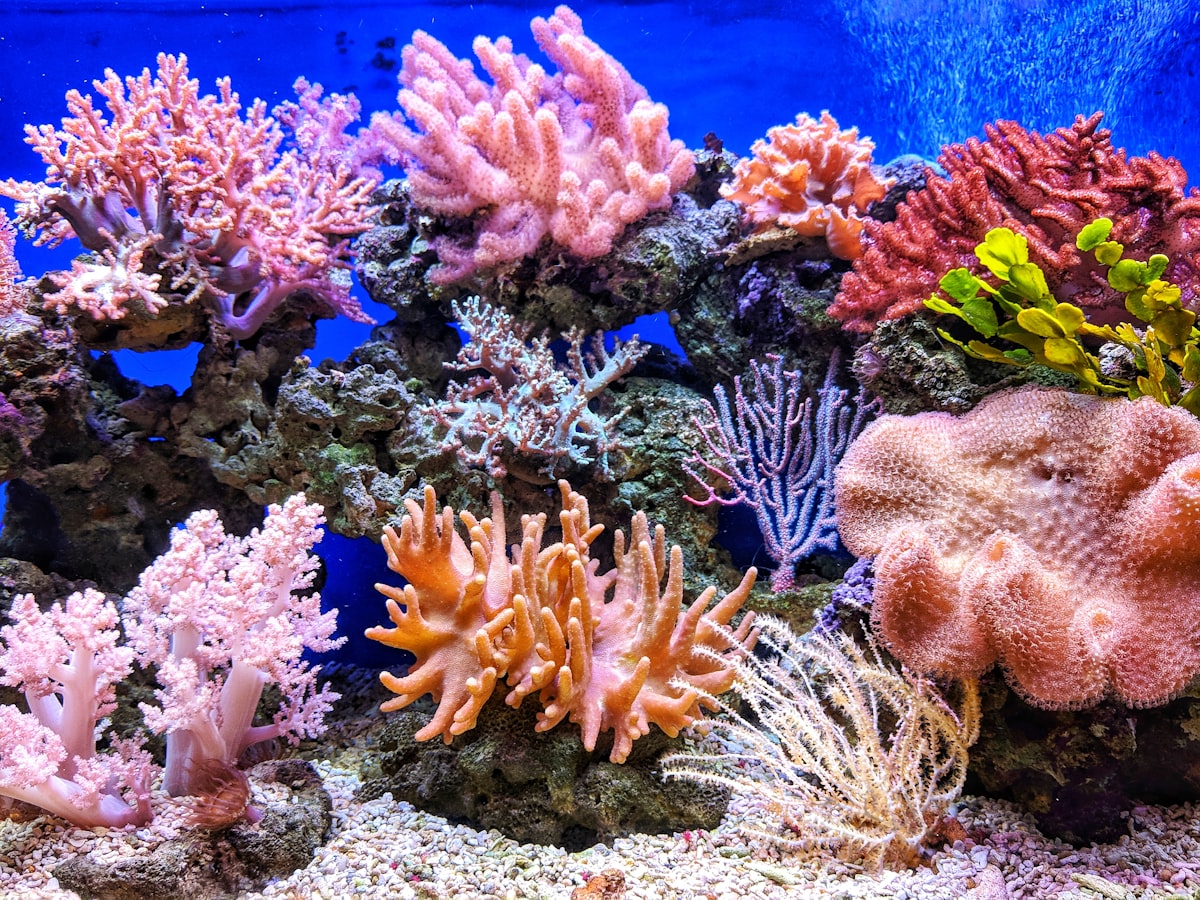
- Give space to marine animals. If a turtle, seal, dolphin, or ray comes through the lineup, do not chase it. Watch from a distance.
- Do not feed wildlife. It changes behavior in ways that hurt animals long-term.
- Respect nesting sites and seasonal closures. Marine protected areas often have restrictions for real reasons.
- Mind your feet on reef. Standing on live coral kills it in seconds. Walk on sand and use established channels.
For specifics on sharing the lineup with marine life, see our guide on surfing safely around marine life.
What Sustainable Surfing Actually Looks Like
Here is what a thoughtfully sustainable surfer's life looks like in practice — not perfect, but honest.
She surfs her local breaks 4 to 5 times a week on a five-year-old EPS/epoxy shortboard. Her backup is a used fish bought from a friend. She wears a Patagonia Yulex 4/3 in its third season, lightly patched at the knees. She uses Manda zinc refilled from a bulk tube, drinks coffee from a steel tumbler that lives in her car. She takes one international surf trip per year, stays at least two weeks, and offsets it through a direct-removal carbon program. She attends a few Surfrider meetings annually and picks up trash on every walk back to her car.
She is not perfect. She still owns a few older PU boards. She drives a gas car. She buys energy bars in plastic. But she pays attention, is honest about the tradeoffs, and has built habits that compound into a meaningful net positive over a lifetime of surfing.
That is what sustainable surfing actually looks like. Not purity. Not zero-impact. Just paying attention, making the easy choices, being honest about the hard ones, and showing up for the ocean the same way it shows up for us.
Final Thought
The ocean does not owe us perfect waves. But surfers have been given more time, more direct sensory contact, and more emotional connection to the sea than almost anyone else on the planet. That is a privilege, and it carries a quiet responsibility.
Surf the local break in junk conditions because it is what you have. Pick up the bottle on the walk back. Vote in the city council election. Ask your shaper about eco options on your next board. Buy the used wetsuit. Stay in Indonesia for three weeks instead of one. Tell your friends about reef-safe sunscreen.
The ocean is not saved by heroes. It is saved by ordinary people doing slightly better, consistently, for decades. Be one of those people. And then go surf — the ocean needs you in it more than it needs you worried about it on the beach.
Want personalized coaching on ocean conservation?
Neptune's AI coach can help you improve faster with personalized feedback, session tracking, and real-time conditions.