Surfing Solo: Benefits, Risks, and Practices

Neptune
May 14, 2026
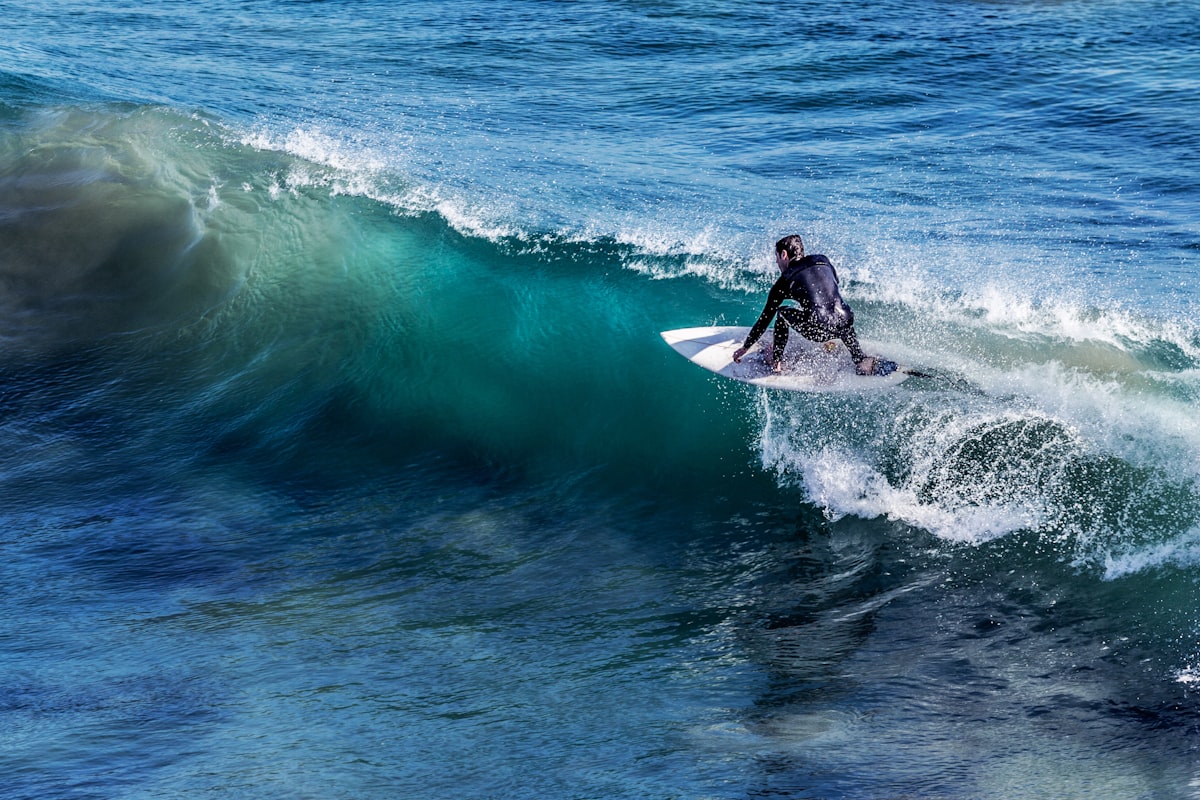
A solo session has a quality a crowded epic day never quite matches.
You stop performing. You notice the peaks. You also take on more risk.
But solo surfing is also where the ocean stops grading on a curve. If something goes wrong out there, the lineup full of friendly strangers who would normally help you is gone. The decisions you make alone matter more, because no one is there to pull you out of the water if your judgment fails.
This guide is about how to think about solo sessions honestly — what they give you, what they cost you, and how to do them well.
Why Surfers Go Solo (Even When They Don't Have To)
Solo surfing isn't just a logistical accident. Many experienced surfers actively choose it, even when they could meet friends in the lineup. A few reasons:
You get more waves. Obviously. With no competition, the wave count goes up dramatically. On a peaky beach break with no other surfers around, you can sometimes triple your usual wave count in the same window of time.
Your surfing changes character. With nobody watching, you stop reaching for the maneuvers that look impressive and start doing the ones that feel right. A lot of surfers discover their actual style during solo sessions, because the social pressure to perform is gone.
You read the ocean better. Without the distraction of a crowd to dodge, you can focus completely on the water — where the sets are coming from, how the bank is shaping waves, where the rip is helping you. Sessions like this build the kind of intuitive ocean knowledge that takes years to develop in a crowded lineup.
It's restorative. Surfing is supposed to be a connection with the ocean. A crowded lineup, however technically excellent the waves, often gets in the way of that. Solo sessions remind you why you started.
The flipside is that all of these benefits come with proportionally higher consequences if things go sideways. The same isolation that makes the session special is exactly what makes it dangerous.
The Real Risks of Surfing Alone
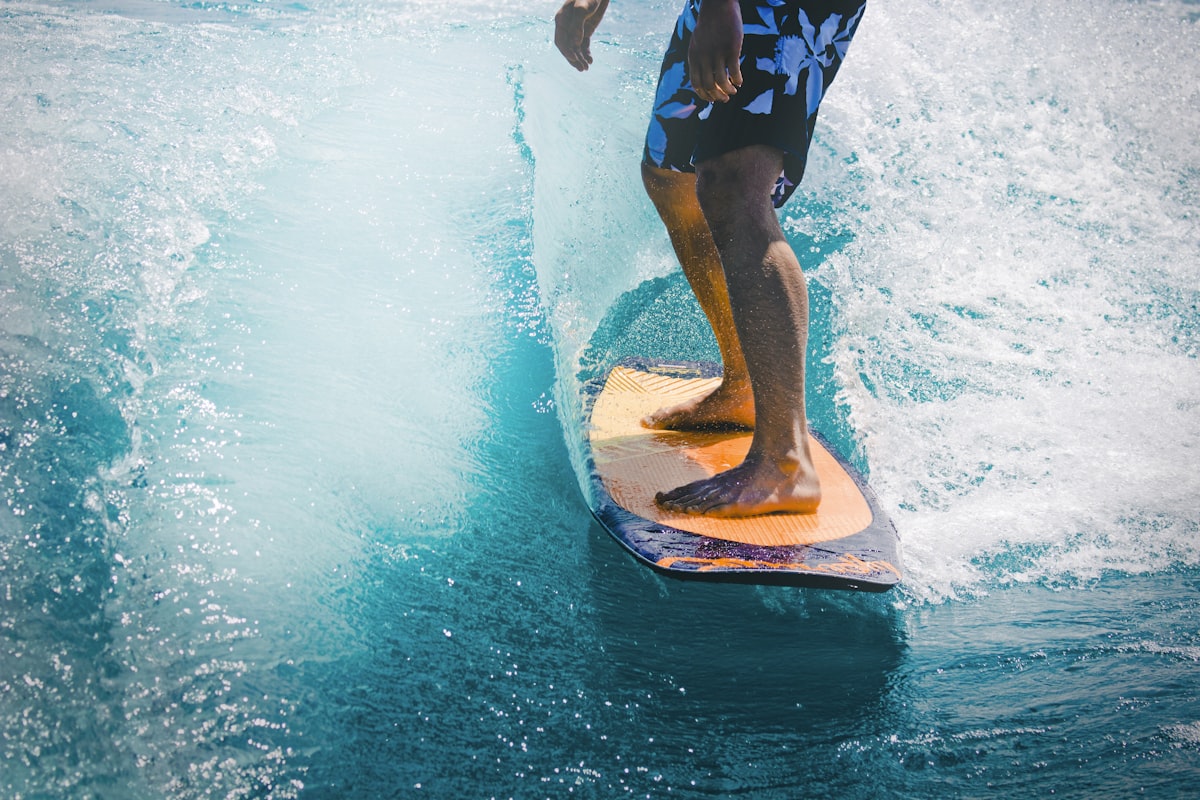
Let's be specific. When people talk about solo surfing risks, they usually mean "sharks" — which is statistically the least likely thing to harm you. Here's a more accurate list of what actually goes wrong, ranked roughly by how often it happens.
Wipeout-Related Injuries
The most common serious solo surfing problem is a wipeout that leaves you unable to swim — a head injury from your board, a dislocated shoulder, a sprained ankle that turns paddling into a slow agony. In a crowded lineup, someone notices. Someone helps. Alone, you have to get yourself in.
This is the scenario you should plan around above all others. Not the dramatic shark attack — the mundane fin to the face that turns a fun session into a 200-yard swim with one functional arm.
Hold-Downs and Multi-Wave Sets
A wave that holds you down past your comfort point is much scarier when no one is around to see your color when you come up. Even experienced surfers occasionally get caught inside on bigger days and take a beating that leaves them disoriented. In company, you have a backup observer. Solo, you have only your own state of mind, which after a long hold-down may not be reliable.
Rip Currents
Rips are predictable, manageable, and often useful — but only if you have the energy and presence of mind to use them. If you're already exhausted or panicking, a rip becomes a one-way ticket out to sea. Alone, the temptation to fight the rip (because no one is going to come get you if you let yourself drift) is much stronger, and that's exactly the wrong reflex.
Marine Hazards
Stingrays, jellyfish, and sea urchins are the most common marine-life problems you'll encounter — none of them lethal, all of them painful. Sharks are real but rare enough that they shouldn't drive your decisions; the actual risk is more like "stepping on a stingray while alone at a remote beach with no phone signal."
Equipment Failure
Snapped leashes, broken boards, and lost fins happen. In a crowded spot, this is annoying. At a remote solo break, a snapped leash 200 yards from shore in a head-high swell can become a long, dangerous swim.
Medical Events
This one is rare but real. Surfers in their 40s and 50s sometimes have cardiac events in the water. Younger surfers occasionally pass out from breath-hold issues or cold-water shock. In a crowd, someone calls for help. Alone, the outcome depends entirely on whether you can get yourself to shore.
When Solo Surfing Is a Bad Idea
There are conditions and scenarios where surfing alone moves from "calculated risk" to "genuinely unwise." Some of them are obvious; others sneak up on people.
- Conditions above your comfort level. Not your ability level — your comfort level. If the waves give you that tight-chested feeling before you paddle out, and you'd usually want a friend with you, don't go solo.
- Unfamiliar spots. A new break has hidden rocks, unfamiliar rip patterns, and bank shapes you don't yet understand. Bring a friend the first few times — or at least surf it solo only in small, mellow conditions.
- Remote breaks with no phone signal or beach access. The classic horror story: surfer at a remote point break, single-vehicle accident on the bluff, no one knows where they are. If a rescue would be slow, the conditions need to be more conservative.
- Cold-water sessions when you're alone in the lot. Cold-water hypothermia and hold-downs interact badly. If you're surfing alone in 50°F water, you have a much shorter window to self-rescue if something goes wrong.
- When you're sick, hungover, or sleep-deprived. Your reaction time and judgment are degraded. Save the solo session for a day when you're firing on all cylinders.
- At dawn or dusk in known shark areas. This is the one shark-related caveat that's actually reasonable. The risk is still small, but it's elevated at low light in places with known activity. If you're going to surf those times, surf with someone.
The general rule: the more isolated the session, the more conservative the conditions should be. Reserve solo sessions for spots and days where the worst plausible outcome is "uncomfortable swim in" rather than "no one will find me until tomorrow."
The Pre-Solo Checklist

Most solo surfing accidents are not accidents in the strict sense. They're predictable outcomes that someone could have headed off with five minutes of planning. Before any solo session, run through this:
Tell Someone Where and When
Text a partner, a parent, a roommate, or anyone reliable. Include the spot, your expected duration, and a check-in time. "Surfing Rincon, in by 11" is enough. If you don't check in by the agreed time, they have somewhere to start looking.
Working on ocean safety? Partner with Neptune on iPhone and Apple Watch.
Get the free appThis is the single most important thing you can do. It costs you nothing and changes the worst-case outcome dramatically. The number of solo surfing tragedies that began with "nobody knew where he was" is too high.
Inspect Your Equipment
Check your leash for fraying, especially at the rail saver and the cuff. Snap your fins to make sure they're seated. Verify your board has no cracks taking on water. If you're using a wetsuit, run your fingers along the seams.
In a crowd, broken equipment is recoverable. Alone, it can be the start of a serious problem.
Read the Spot Honestly
Stand on the beach and watch sets for at least 10 minutes before you paddle out. Identify:
- Where the sets are breaking
- Where the channel or rip is (this is your highway in and out)
- What the takeoff zone looks like at the size you're seeing
- Whether the tide is pushing in or out
- What landmarks you can sight against to maintain position
Solo, you have nobody to ask "is this normally this size?" or "where's the rip?" You have to answer those questions yourself before you're committed to the lineup.
Bring Phone Access If You Can
Many surf locations have lockboxes or hidden phone spots. Some surfers stash a phone in a dry bag in their car with a window cracked for signal. Whatever you do, having a way to call for help — for yourself or someone else who shows up injured — matters at a remote spot.
Confirm Your Exit
Before you paddle out, identify two exit points. Not just "the beach where I came from" — also a fallback beach in case the wind or current pushes you down the coast. Surfers occasionally end up climbing rocks or walking miles back to their car because they didn't think this through.
Mindset Adjustments for Solo Sessions
The physical preparation matters. The mental adjustment matters more.
Be More Conservative Than Usual
A wave you'd go for in a crowd, you should let pass when you're alone. Not because you can't make it — because the cost of not making it is higher. Solo isn't the time to push your wave selection.
The general rule of thumb: surf at about 80% of your maximum. Pick clean takeoffs. Skip the gambles. Save the close-out drops and last-second airs for sessions where someone is there to help if it goes wrong.
Conserve Energy
In a crowd, you might paddle hard for marginal waves because someone else will eat them if you don't. Solo, no one's competing. Sit back, let the marginal stuff pass, and save your energy for the waves worth catching.
Energy management is the difference between paddling in tired but fine and paddling in completely depleted with conditions degrading. Always have a third of your tank in reserve for the swim in.
Surf Closer to Shore Than You'd Prefer
If you have a choice between two takeoff zones — one deeper, one inside — surf the inside one. The distance to shore matters when something goes wrong. Surfing closer in means a shorter swim if your leash snaps, and quicker visibility from the beach if you need help.
Treat Every Wave Like the Last One
In a crowded lineup, you can afford to make a marginal call because there's another wave in a minute. Solo, take care with each one. A bad wipeout you would have shrugged off in company is a much bigger deal alone. The bar for "is this worth it" rises.
Building the Solo Skill Set
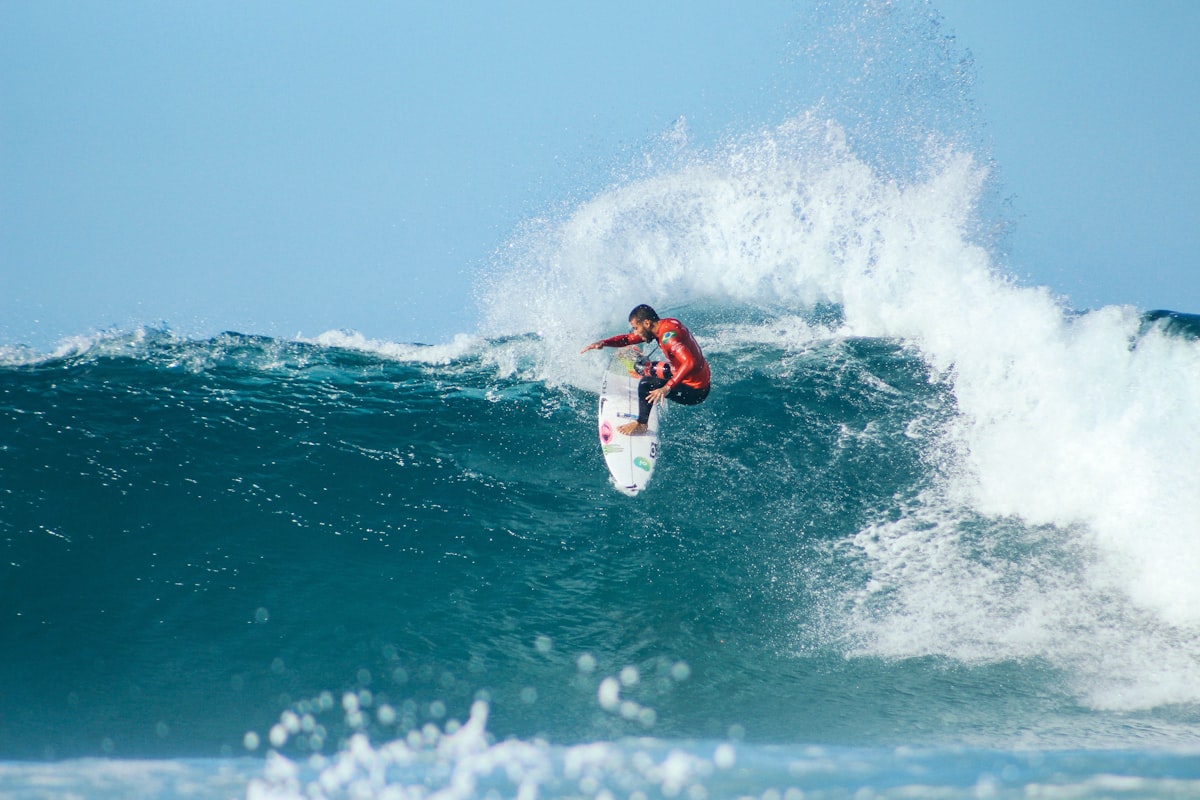
Solo surfing is a skill that compounds. The more sessions you do safely, the better you get at the small judgments that keep them safe. Here's how to build it.
Start in Friendly Conditions
Your first deliberately solo sessions should be in waves you could surf on autopilot. Waist-high, clean, on a familiar bank, mid-tide. The goal isn't to test yourself — it's to get used to the feel of an empty lineup and notice what changes about your own surfing.
You'll be surprised. Many surfers find their first solo session vaguely unsettling, even in conditions they're completely at home in. That's normal. The lineup feels different without people. Sit with that feeling until it stops being noteworthy.
Develop Your Self-Rescue Skills
Practice on calm days. Can you paddle a full lap of the lineup without stopping? Can you swim 50 yards on your back in your wetsuit if you had to? Can you tow your board to shore one-handed, simulating an injured arm?
These drills are unsexy but they're the difference between a manageable setback and a real emergency. Surfers who have rehearsed self-rescue handle equipment failures with much less panic, which means much better outcomes.
Build a Mental Library of Bailouts
For every spot you surf solo, have a clear answer to: "If my leash snaps right now, what do I do?" The answer might be "swim into the channel and walk back along the beach." It might be "wave for help from the cliff above." It might be "swim 100 yards down-coast to that cove."
You don't want to be inventing this plan in the moment. You want it pre-loaded. Surfers who solo successfully have these bailouts mapped automatically — they barely have to think about them, which means they can think about other things instead.
Learn to Read the Subtler Signs
Crowds give you information for free. You can tell from other surfers' positioning where the peak is, from their behavior whether the rip is strong, from their faces whether the conditions are challenging. Solo, you have to read all of that yourself from the water alone.
This is one of the genuine benefits of solo sessions — it sharpens your ocean-reading enormously. But it has to be built deliberately. Pay attention to texture, color, current direction, set timing. Make it conscious until it becomes intuitive.
The Culture of Solo Surfing
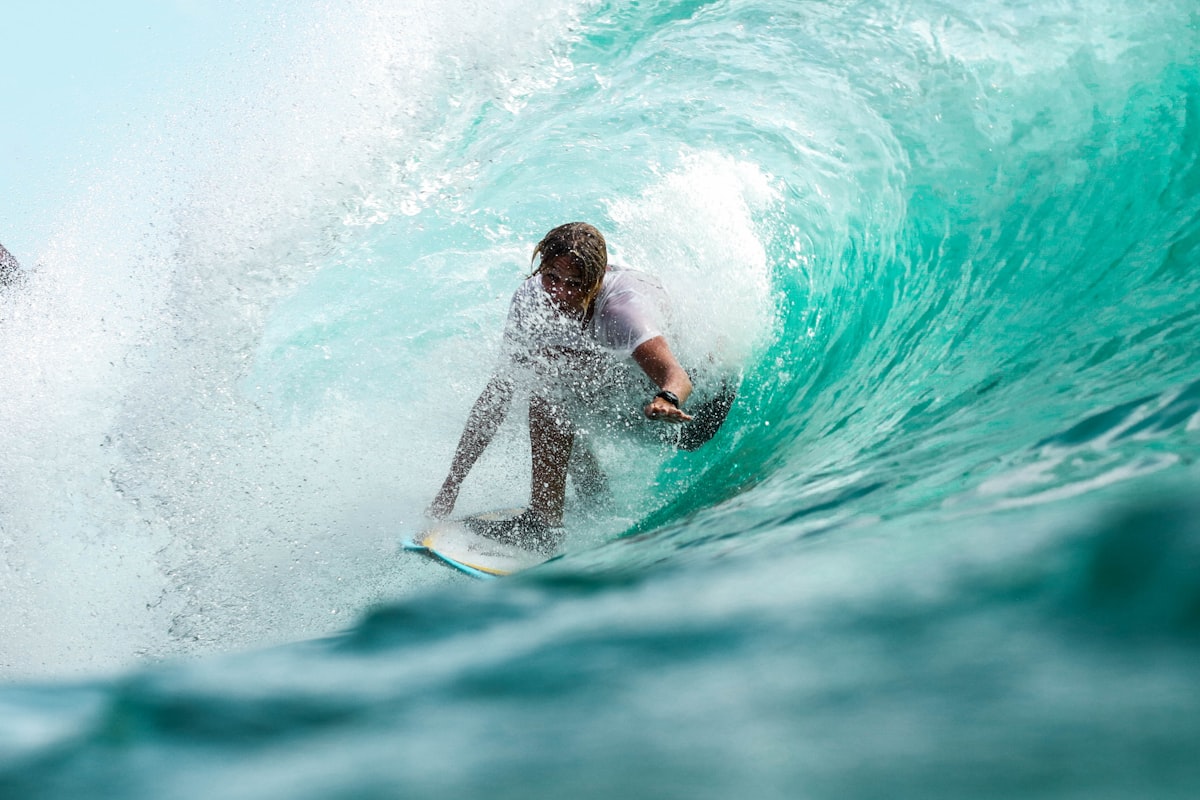
Solo surfing has a quiet but rich culture. The surfers who do it most thoughtfully tend to be older, more experienced, and more selective about conditions. They're not trying to prove anything. They're not posting about it. They've simply built the habit over years of choosing the right mornings.
A few unwritten rules among solo surfers worth knowing:
- If you see another solo surfer at a remote spot, acknowledge them. A nod, a wave from across the channel. You're both out there choosing the same thing. That's a small connection worth honoring.
- If someone shows up while you're surfing solo, share waves generously. Half the value of arriving to "your" empty break is gone the moment a second surfer turns up — but they're often someone like you, who drove early specifically for this. Be welcoming.
- Help when help is needed. A solo surfer might find someone in trouble that nobody else is around to see. Be ready to make the call, paddle to assist, or coordinate with lifeguards. This is the social contract of solo surfing — we don't have a crowd, so we have to be a crowd of one for each other.
When the Risk Is Worth It (and When It Isn't)
There's no clean formula. Whether a given solo session is wise depends on the spot, the conditions, your skill, your fitness today, the weather, the temperature of the water, the time of year, and a dozen other variables.
But there's a useful question to ask before paddling out: if everything goes wrong, can I get myself in?
Not "will everything go wrong" — almost certainly not. But if it did. If your leash snapped, if you took a board to the head, if you cramped halfway through the session — could you, with the energy you have, in the conditions in front of you, with the gear you brought, make it back to shore?
If the answer is a confident yes, go. The session is probably going to be one of your favorites of the year.
If the answer is "probably," or "if I had to," save it for another day. Surf with someone. The wave count will be lower but the worst-case outcome will be too.
Closing Thought
Solo surfing isn't reckless and it isn't smart. It's a trade-off, and like all trade-offs in the ocean, you should walk into it eyes open.
The surfers who get the most out of solo sessions are the ones who treat them with the seriousness they deserve. They check the swell. They tell someone. They surf conservatively, exit early, and never let a great wave drag them into a session that's beyond what they came to do.
The reward, for those who get the balance right, is the kind of surf experience that's almost impossible to find any other way. The ocean to yourself. The sound of the wave breaking with nobody to talk over it. The slow accumulation of intuition you only build alone.
It's worth doing. Just do it well.
Read it. Then take it to the water.