Soft Top Surfboards: Not Just for Beginners

Neptune
May 1, 2026
Why Soft Tops Deserve a Second Look
If you started in the last twenty years, your first wave was probably on foam.
The story that you graduate from a soft top is changing.
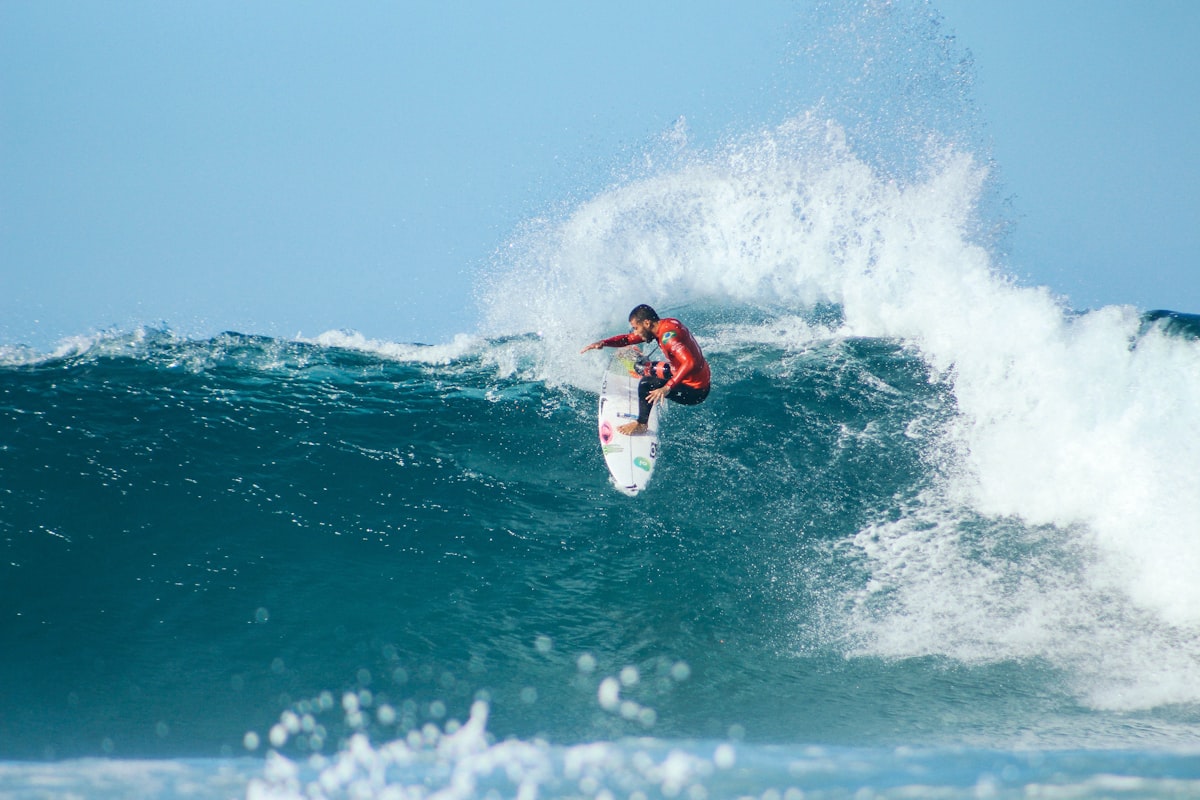
Walk down to a popular point break on a fun three-foot day and count the soft tops in the lineup. You'll find them under fifty-year-old longboarders chasing nostalgia, under teenage shortboarders working on their carves in soft conditions, and increasingly under tour-level pros filming clips that get millions of views. Jamie O'Brien rides a Catch Surf at Pipeline. Mason Ho's foam-board edits are some of the most-watched surf videos of the last decade. Every major shaper now has a premium soft top in their lineup.
The reason isn't just nostalgia or marketing. Modern soft tops have evolved into genuinely capable surf craft, with construction, rocker, and fin systems that actually perform. They're also one of the most underrated tools in your quiver for skill development, regardless of how good you are.
This guide covers everything you need to know: what makes a soft top different, how to choose the right one, why even experienced surfers are riding foam, and the surprising ways a good soft top can accelerate your progression.
What Exactly Is a Soft Top?
The term "soft top" describes any surfboard with a closed-cell foam deck instead of a fiberglass-and-resin shell. Most have a hard plastic bottom (usually high-density polyethylene or HDPE) for slide and stiffness, with foam decks ranging from soft EVA to dense IXPE.
Internally, soft tops still have a foam core — usually EPS — and most have one or more wooden stringers running the length of the board for structural rigidity. The difference is everything that wraps around that core. A traditional hard board uses fiberglass cloth and polyester or epoxy resin, creating a rigid, glassy surface. A soft top replaces that with layers of softer, more flexible material that absorb impacts instead of transmitting them.
The result is a board that feels noticeably different when you ride it. There's a slight cushion underfoot, more give when you compress through a turn, and dramatically more forgiveness when the board hits you (or someone else). That last point is more important than it sounds — soft tops have prevented countless cuts, broken boards, and trips to the emergency room.
The Three Main Categories of Soft Tops
Not all foam boards are created equal. The market roughly splits into three categories:
Entry-level pool toys: The cheap soft tops sold at big-box stores. These are fine for messing around in waist-high whitewater but lack the rocker, fins, and construction quality to be considered real surfboards. Avoid these if you're serious about learning.
Surf-school boards: Boards built specifically for instructional use — sturdy, wide, stable, with rounded noses and forgiving rails. Wavestorm, BIC, and similar brands dominate this category. They'll catch waves all day long but are limited in how they can be ridden.
Performance soft tops: This is where the category has exploded. Brands like Catch Surf, Softech, Formula Fun, JJF by Pyzel, and Hayden Shapes Hypto Krypto Soft now offer foam boards with proper rocker, refined outlines, real fin systems, and construction that holds up to actual surfing. These ride more like hard boards than pool toys, and they're what experienced surfers are reaching for.
The Surprising Performance Soft Tops Now Offer
The biggest myth about soft tops is that they don't perform. That was true in 2005. It's not true today.
A modern performance soft top with proper rocker and a thruster fin setup can do almost everything a hard board can do. You can take off late, set a rail, draw clean turns, and project off the lip. The flex of the foam deck actually adds something — it loads and releases through turns in a way that hard boards don't, giving you a kind of springy energy return that some surfers find addictive.
There are real performance limits. Soft tops slide more on the bottom of the wave, which means less hold in steep, fast sections. They paddle slightly slower than equivalent-volume hard boards because of the drag from foam decks and plastic bottoms. And the duck dive is harder — that closed-cell foam wants to float, and you'll need extra muscle to push it under bigger sets.
But here's the thing: those limits only matter on the days when conditions actually demand premium performance. On a head-high reef break with serious power, sure, ride a hard board. On the playful three-foot beach break sessions that make up most of the surfable days for most surfers, a good soft top is genuinely fun, often more fun than a similarly-sized hard board.
Choosing the Right Soft Top for Your Skill Level
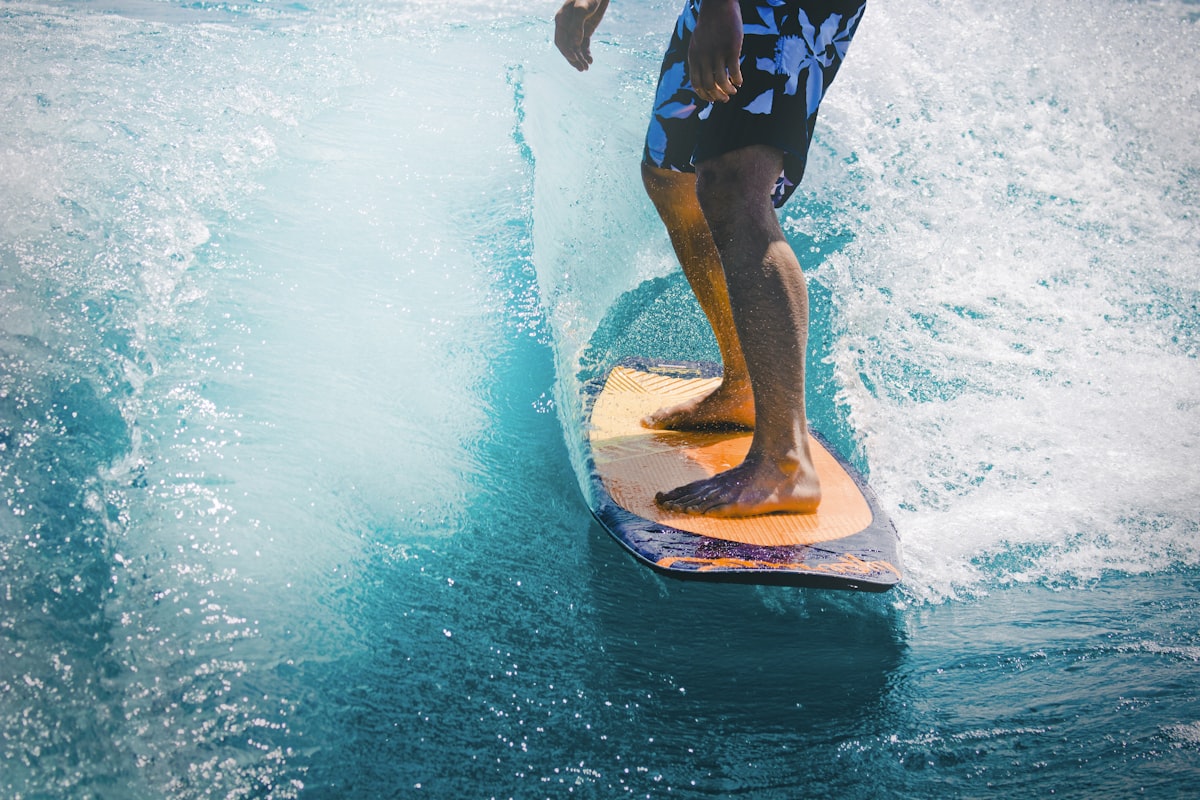
Like any surfboard, the right soft top depends on where you are in your progression and what you want to work on. Here's how to think about it.
For True Beginners
If you've never surfed or you're still working on your pop-up, you want maximum stability and wave-catching ability. That means an 8'0" to 9'0" board with high volume, a wide outline, and a flat rocker. Look for something in the 60-80 liter range.
Surf-school style boards from Wavestorm, South Bay Board Co., or Costco's Storm Blade are perfect at this stage. They cost between $150 and $300, they catch every whitewater wave that comes through, and they'll survive being dropped, leaned on, and run over. Don't overthink the brand — at this level, almost any decently-shaped 8-foot foamie will work.
What you should care about: a leash plug, removable fins (so you can change them later), and a deck pad or grippy foam in the tail area. Some cheap soft tops have slick foam everywhere that gets dangerously slippery when wet.
For Intermediate Surfers
This is where the soft top conversation gets interesting. If you can pop up reliably, paddle into unbroken waves, and trim along a face, you're ready for a performance soft top.
The sweet spot for most intermediates is something in the 6'6" to 7'6" range — long enough to paddle into waves easily, short enough to actually maneuver. Look for a board with real rocker (the curve from nose to tail), a defined tail shape (squash or pin), and a thruster or quad fin setup.
Some specific options that punch well above their weight:
- Catch Surf Odysea Log (8'0"): Loose, fun, surprisingly responsive for its size. Great for cruisey longboard-style days.
- Catch Surf Odysea Skipper (6'0" or 6'6"): A foam fish shape that's become a cult favorite. Skates around in small surf, throws spray when pushed.
- Softech Eric Geiselman Flash (5'7" to 6'4"): A high-performance shortboard outline in a foam package. The closest thing to riding your hard board, but in foam.
- Formula Fun Twosday and Foursday: Quirky shapes that turn small mush into something playful. Designer-shaped foam that genuinely performs.
Working on fun board? Partner with Neptune on iPhone and Apple Watch.
Get the free appExpect to pay $400-800 for a performance soft top in this category. They're not cheap, but they last for years and they expand the range of conditions you'll actually want to surf.
For Advanced Surfers
If you're already riding shortboards confidently, a soft top isn't a step down — it's a different tool. Most advanced surfers add a foamie to their quiver for one of three reasons.
First, small wave fun days. When the surf is two feet and mushy, your high-performance shortboard is the wrong tool. A foam board with extra volume turns those waves into something worth paddling out for.
Second, crowded lineups. A soft top in a busy lineup signals that you're there to have fun, not to compete for set waves. You'll find yourself catching scraps that everyone else passes on, and you'll do less damage if a beginner runs into you.
Third, skill-building. This is the underrated reason. Soft tops force you to surf differently — to find speed in places you'd normally pump for it, to rely on rail engagement rather than fin grip, to read sections earlier. Many coaches now recommend sessions on a soft top specifically to break the speed-pumping habits that get baked in on shortboards.
For advanced riders, the right soft top is usually something performance-oriented in your normal shortboard length, plus an inch or two for the lower paddling efficiency.
When to Ride a Soft Top (and When Not To)
A soft top isn't always the right call. Here's a quick frame for thinking about it.
Ride a soft top when:
- You're learning, full stop
- The waves are small, mushy, or sectiony
- The lineup is crowded with beginners
- You want to focus on flow and trim rather than radical maneuvers
- You're sharing waves with friends or family who are still learning
- You're surfing a break that's brand new to you and you don't know what's under the water
- You're nursing a minor injury and want to surf without putting full force through your body
Don't ride a soft top when:
- The waves are overhead and powerful — you need the hold of a hard board
- You're surfing a hollow, fast reef break — soft tops slide in steep sections
- You need to make critical drops on big waves — duck diving is harder, and the slower paddle speed costs you on late takeoffs
- You're trying to film a serious clip — performance ceiling matters there
The general rule: soft tops shine in playful conditions. The bigger and more critical the wave, the more you'll want a hard board.
Why Pros Are Riding Soft Tops
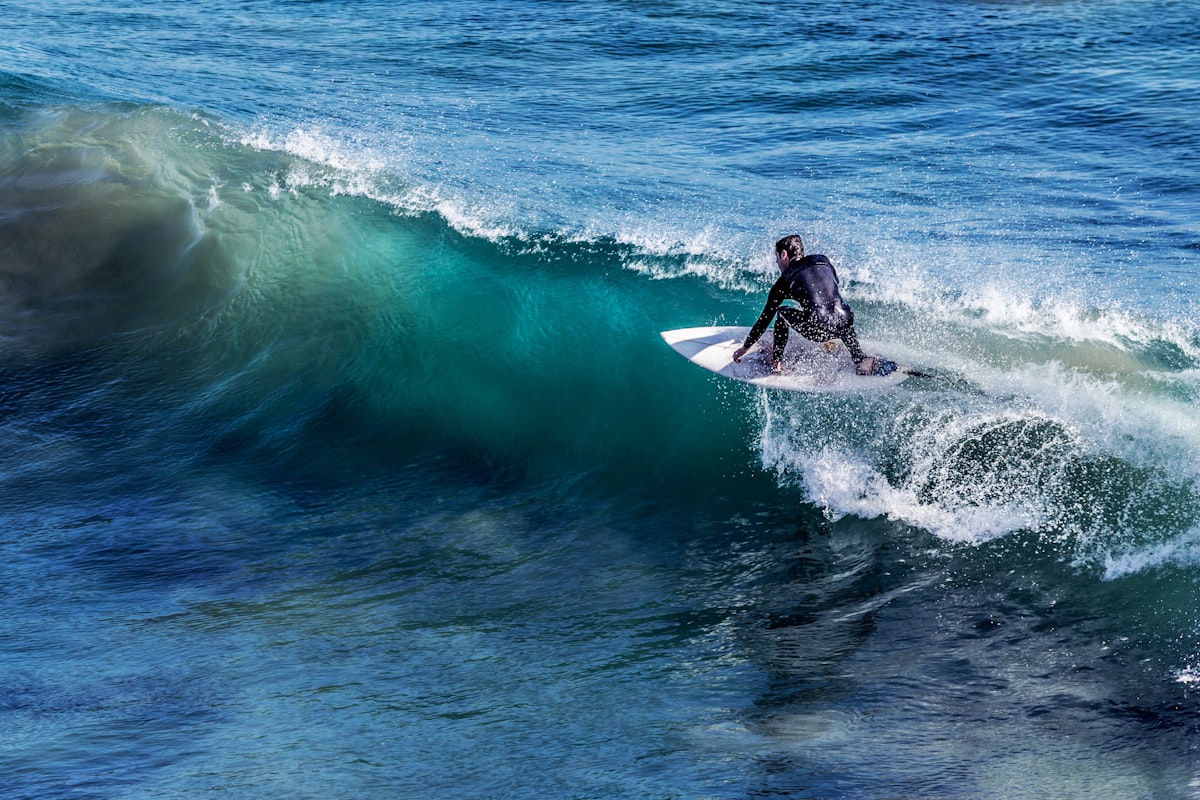
The pro adoption of soft tops over the last decade has been remarkable. Part of it is content — a pro doing reasonable maneuvers on a hard board is normal, but on a foam board it looks impossible, and impossible plays well on social media.
But there's a real performance element too. Many pros report that soft tops have made them more aware of their wave reading. When you can't rely on fin grip and tail rocker to bail you out of a bad section, you have to read the wave better and time your maneuvers more precisely. Some pros use soft tops as a deliberate training tool for exactly this reason.
There's also the fun factor. Surfing at the highest level is stressful — sponsors are watching, every session is a job. A soft top is a reset button.
Maintenance and Longevity
One of the underrated advantages of soft tops is how little maintenance they need.
A hard board requires regular ding repair, wax stripping and re-waxing, careful handling, and a board bag for any kind of transport. A soft top requires almost none of this. The deck doesn't need wax (the foam is grippy enough on its own — though some surfers add wax in the tail for extra hold). The board can take impacts, drops, and bumps that would crush a hard board. You can throw it in the back of a pickup truck without thinking twice.
That said, soft tops aren't indestructible. Here are the failure modes you should know about:
Stringer breaks: If you put serious force on the middle of a soft top — landing flat after a big air, or having someone else's board hit it broadside — the internal stringers can snap. This usually shows up as a soft, hinge-like spot in the middle of the board. There's no good repair; once a stringer breaks, the board is essentially done.
Delamination: Cheap soft tops sometimes have the foam deck separate from the EPS core after months of UV exposure. Storing your board out of direct sun (in a board sock or a shaded garage) prevents this. Modern performance soft tops use better adhesives and rarely delaminate.
Bottom skin damage: The HDPE bottom is durable but not impervious. Hitting rocks or reef can crack it, and once water gets into the foam core, the board absorbs water and becomes heavier and slower. Avoid riding soft tops over visible reef.
Fin box issues: The fin boxes on cheap foamies are often the first thing to fail. If you're buying a soft top to keep for years, look for one with FCS or Futures-compatible boxes — they're stronger and they let you swap fins.
With reasonable care, a quality soft top should last five to ten years of regular use. That's a remarkable cost-per-wave for $400-800 of investment.
Fin Setups and Common Mistakes
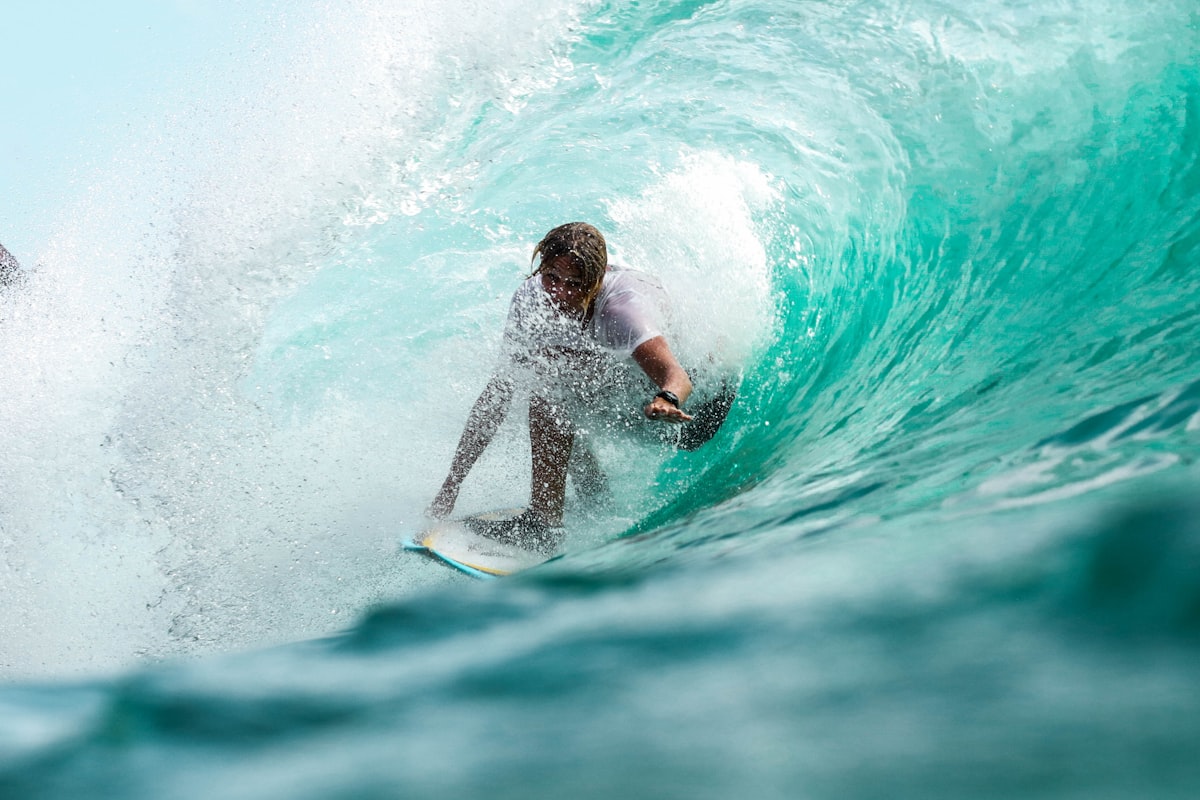
Most performance soft tops ship with plastic thruster fins. These work fine, but they're usually too soft and too small for the volume of board they're paired with. Upgrading to stiffer, slightly larger FCS or Futures fins transforms the ride — the board holds a line better through turns and feels more connected on bigger waves.
If your board has the boxes for it, try a twin fin setup for a looser, skatier feel ideal for small wave cruising. A thruster setup with bigger center fins gives you more drive on faster waves. If your soft top has glassed-in fins, you're stuck with what came with it — one reason to spend the extra money on a board with removable fin boxes.
A few other patterns to avoid:
Buying too small. Foamies need slightly more volume than equivalent hard boards because of the lower paddle efficiency. If you ride a 6'2" hard shortboard, your soft top should probably be 6'6" or 6'8".
Treating it as disposable. Rinse them in fresh water after sessions, store them out of direct sun, and don't leave them in a hot car. They'll last twice as long.
Skipping the leash. Soft tops float higher than hard boards, which means a runaway foamie can travel a long way before someone catches it.
Refusing to progress past it. Foam boards are fantastic tools, but they have real performance limits. If your local break has good waves and you're skilled enough to enjoy them, don't deny yourself a hard board out of foam-board loyalty.
A Soft Top Belongs in Every Quiver
Here's the bottom line: a quality soft top is one of the most versatile, durable, and fun pieces of equipment a surfer can own. It's the right board for beginners, the right tool for skill development at every level, and the right call on more days than most surfers realize.
If you're buying your first surfboard, a soft top is almost certainly the answer. If you've been surfing for years and don't have one, you're missing out on the days when conditions are too small or too mushy for your hard board but the water is still calling. And if you're stuck in a progression rut, a session or two on a foamie might be exactly what you need to break the habits holding you back.
The soft top has graduated from training wheels to legitimate surf craft. The surfers having the most fun in the lineup right now are often the ones riding foam — not because they have to, but because they want to.

Pick a board that matches your level, set it up with decent fins, and put it through its paces on the next small day. There's a good chance it ends up being the most-ridden board in your collection.
Read it. Then take it to the water.