How Wind Affects Surfing

Neptune
March 23, 2026
Why Wind Is the Most Underrated Factor in Surf Conditions
You can have the right height, period, and direction. Onshore wind can ruin it in an hour.
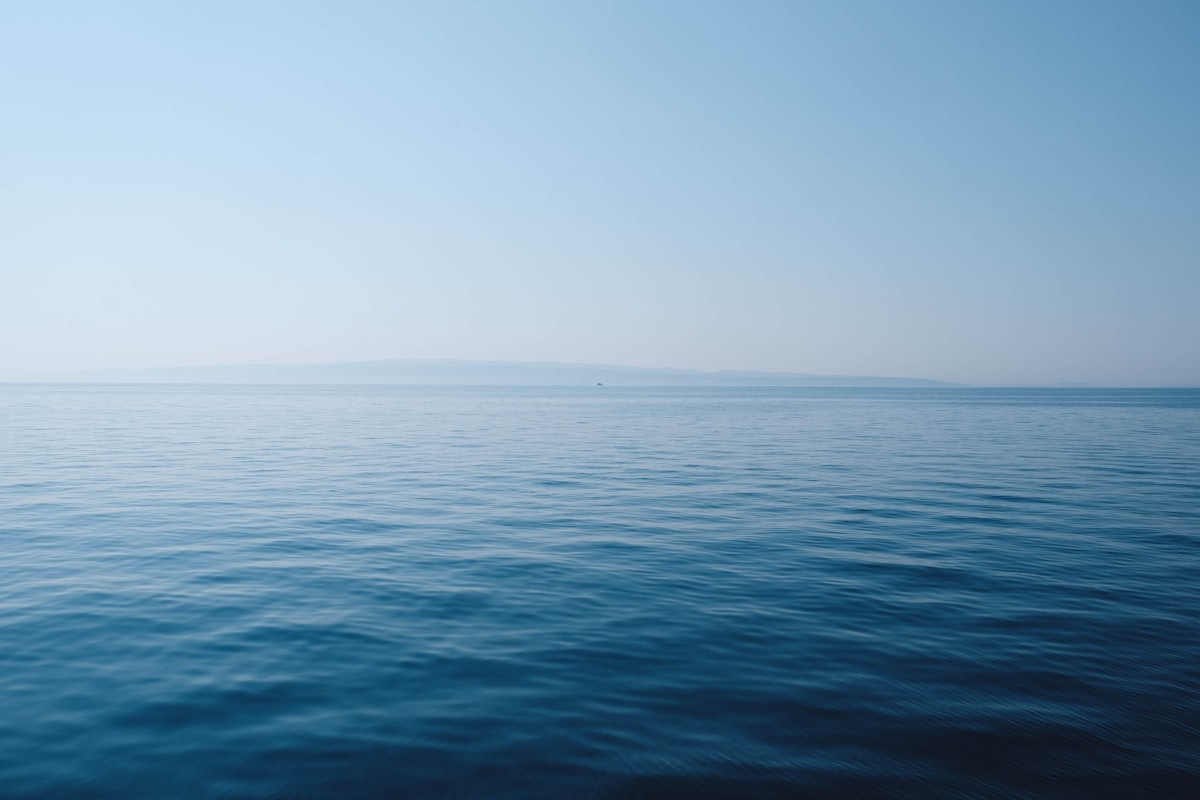
A modest swell can look beautiful when the wind cooperates.
Understanding wind isn't complicated, but it requires a shift in how you think about surf forecasting. Swell tells you whether there will be waves. Wind tells you whether those waves will be worth surfing.
This guide breaks down everything you need to know about wind and surfing: the three main wind types, how each one shapes the waves, how wind interacts with other conditions, and how to read a wind forecast so you can plan sessions with confidence.
The Three Types of Wind That Matter to Surfers
Wind direction relative to the coastline is what matters — not the compass direction itself. A north wind is offshore at a south-facing beach and onshore at a north-facing beach. Always think about wind in relation to where you're surfing, not in absolute terms.
Offshore Wind
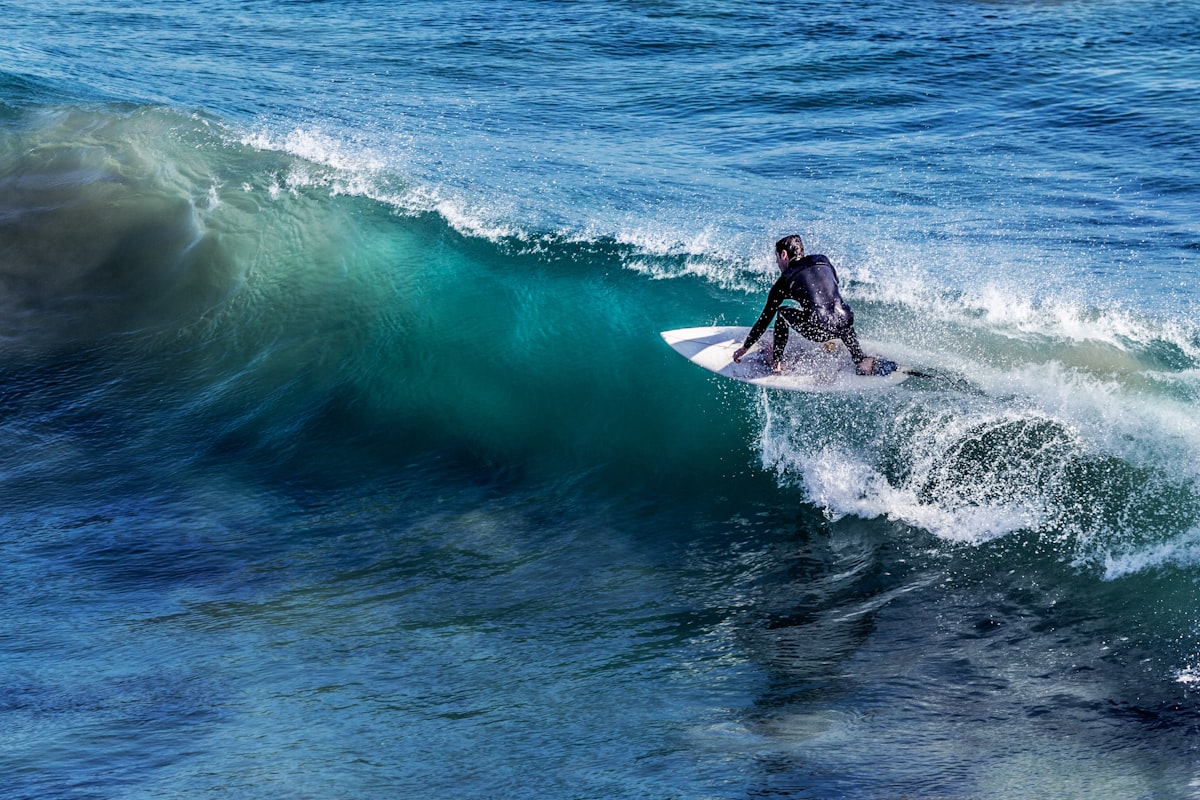
Offshore wind blows from the land toward the ocean — directly into the face of incoming waves. This is the wind condition surfers dream about.
When wind pushes against the wave face, it does several things:
- Holds the wave up longer. The wind resistance delays the moment the lip throws over, giving the wave a steeper, more hollow shape. This is why offshore conditions often produce the best barrels.
- Cleans up the surface. Offshore wind smooths out bumps and chop on the wave face, creating that glassy, groomed look that every surfer photograph tries to capture.
- Creates the classic spray. That feathering mist blowing off the top of a wave? That's offshore wind in action. It's not just beautiful — it's a visual indicator that conditions are clean.
- Makes waves break more predictably. With offshore wind holding up the face, waves tend to peel more evenly along their length rather than closing out in random sections.
The catch? Strong offshore wind can actually make surfing harder. When offshore winds exceed about 15-20 knots, paddling into waves becomes a fight. The wind blows spray directly into your face, the wave holds up so long that late drops become steep and critical, and duck diving becomes more difficult as the wind pushes water back over you. Light to moderate offshore wind — roughly 5 to 15 knots — is the sweet spot.
Onshore Wind
Onshore wind blows from the ocean toward the land — pushing directly into the back of incoming waves. This is generally the least desirable wind condition for surfing.
Here's what onshore wind does to waves:
- Breaks them down prematurely. The wind pushes the top of the wave forward, causing the lip to crumble and collapse rather than pitch cleanly. Waves lose their shape and become mushy or disorganized.
- Creates surface chop. Onshore wind generates short-period ripples and bumps on the water surface that make the wave face uneven and difficult to ride smoothly.
- Causes closeouts. Rather than peeling gradually from one end, waves affected by onshore wind tend to break all at once across their entire length, leaving no clean face to ride.
- Reduces wave height perception. Onshore wind can flatten the apparent size of waves by pushing the face down, making a solid swell look smaller and less defined than it actually is.
That said, onshore conditions aren't always a lost cause. Mild onshore wind (under 10 knots) on a strong, long-period swell may still produce rideable waves, especially at spots with the right bathymetry. And some surfers — particularly those who ride soft-tops or are focused on practice rather than performance — find that onshore days offer a less crowded lineup and lower-pressure conditions to work on fundamentals.
Cross-Shore Wind
Cross-shore wind blows roughly parallel to the coastline, from one side to the other. Its effect on wave quality falls somewhere between offshore and onshore, depending on the exact angle.
- Cross-offshore wind (blowing diagonally from land toward the ocean) is nearly as good as pure offshore. It grooms the wave face and holds up the lip, though not quite as symmetrically. Many surfers consider cross-offshore conditions excellent.
- Cross-onshore wind (blowing diagonally from ocean toward land) is nearly as bad as pure onshore. It pushes chop onto the wave face and breaks down wave shape, though one side of a peak may be partially sheltered.
Cross-shore wind also has a unique effect: it can make one direction of a peak better than the other. If the wind is blowing from left to right along the beach, a right-hand wave (peeling to the surfer's right) will have a somewhat sheltered face, while the left-hand wave at the same peak will take the brunt of the wind. Learning to read this asymmetry is a useful skill.
How Wind Strength Changes Everything
Direction matters, but so does intensity. The same wind direction at different speeds creates very different conditions.
Light Wind (0-7 knots)
Conditions are essentially glassy or near-glassy regardless of direction. At this wind speed, even a slight onshore breeze barely disturbs the surface. These are the mornings you want to chase — when the air is still and the ocean looks like a lake with lines of swell rolling through.
Moderate Wind (8-15 knots)
This is where direction starts to make a dramatic difference. Moderate offshore wind is arguably the best surfing condition that exists: enough wind to clean up wave faces and hold up lips, but not so much that paddling becomes a battle. Moderate onshore wind, however, is enough to noticeably degrade wave quality with surface chop and crumbling faces.
Strong Wind (16-25 knots)
Even offshore wind becomes a mixed blessing at this strength. Waves may be beautifully shaped but very difficult to catch, with steep drops, heavy spray, and strong resistance when paddling. Onshore wind at this strength usually renders most spots unsurfable for shortboarders, though some protected or sheltered breaks may still offer options.
Working on reading waves and forecasts? Partner with Neptune on iPhone and Apple Watch.
Get the free appGale Force (25+ knots)
Regardless of direction, conditions are extreme. Offshore gales can create massive spray plumes and hold waves up to nearly double their height, but surfing in these conditions is reserved for experienced big-wave surfers at appropriate spots. Onshore gales produce dangerous, chaotic whitewater that's unsuitable for surfing.
The Dawn Patrol Advantage: Why Morning Sessions Are Usually Best
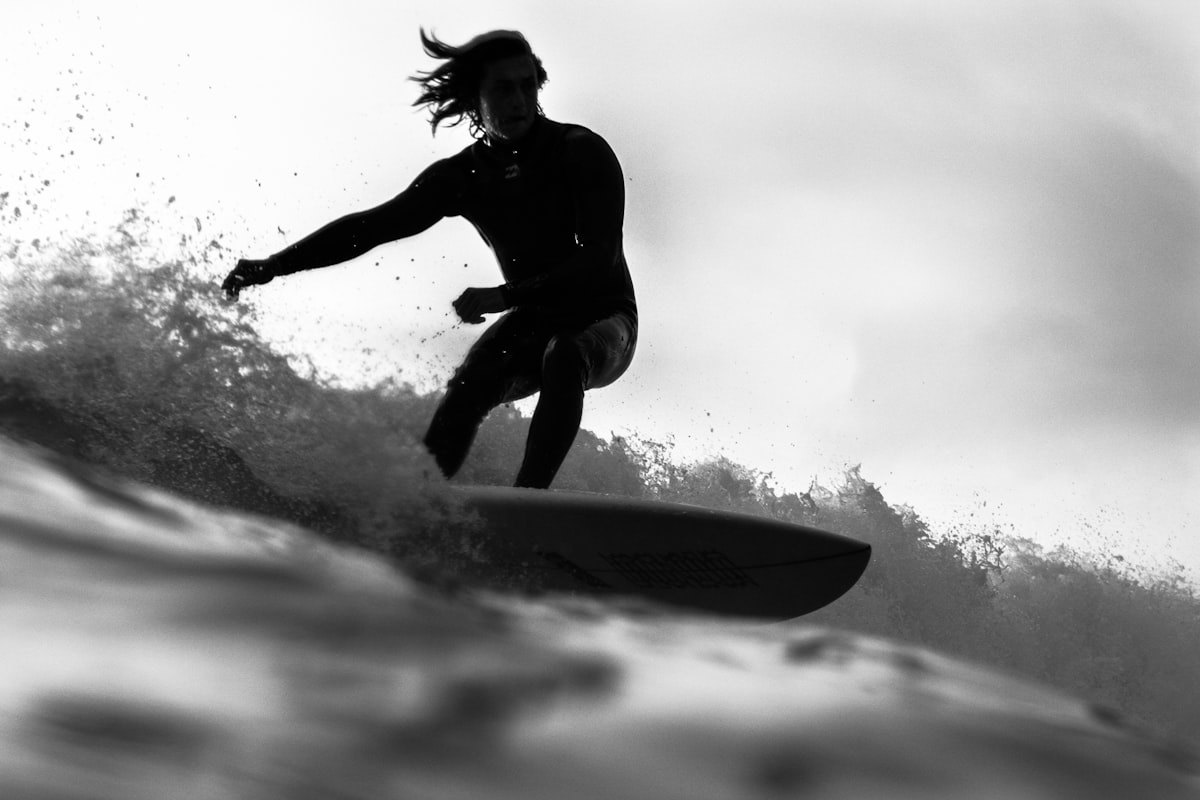
If you've been surfing for any length of time, you've probably noticed that mornings tend to produce better conditions than afternoons. This isn't a coincidence — it's basic meteorology.
During the night, the land cools faster than the ocean. Cool, dense air over the land sinks and flows toward the warmer ocean, creating a light offshore breeze. This is called a land breeze, and it's the reason so many coastlines are glassy at dawn.
As the sun rises and heats the land, this pattern reverses. The warm air over land rises, and cooler air from the ocean rushes in to replace it, creating an onshore sea breeze. At most coastal locations, this transition happens somewhere between late morning and early afternoon, depending on the season, latitude, and local geography.
This daily thermal cycle is why dawn patrol exists. It's not just tradition or surfer mythology — it's physics. The window of clean conditions typically runs from first light until the sea breeze kicks in, which might be as early as 9 AM in summer or as late as early afternoon in winter.
Pro tip: Track the exact time the sea breeze arrives at your local breaks over several weeks. You'll notice a pattern. At many spots, the onshore transition is remarkably consistent for a given time of year, which means you can plan your sessions with precision.

How Wind Interacts With Swell, Tide, and Geography
Wind doesn't act in isolation. Its effect on wave quality depends heavily on what else is going on.
Wind and Swell Period
Long-period swells (14+ seconds) are more resistant to wind degradation than short-period swells. A long-period groundswell has waves that are spaced far apart with deep energy — onshore wind can rough up the surface, but the underlying wave shape holds together better. Short-period wind swell (under 10 seconds) is already disorganized and messy, and any onshore wind makes it worse.
This means you can sometimes surf in moderate onshore conditions if the swell period is long enough. The wave faces won't be clean, but the waves will still have shape and power.
Wind and Tide
Tide affects how exposed a break is to wind. At many beach breaks, high tide creates deeper water close to shore, which can dampen the effect of onshore wind on breaking waves. Low tide at reef breaks can create shallower, more protected conditions where waves jack up quickly and break with less wind influence.
There's no universal rule here — it depends entirely on the specific spot. But as a general principle: if it's windy, experiment with different tide stages. You may find that a spot that's blown out at mid-tide cleans up at low or high tide due to changes in how the waves break.
Wind and Geography
Local geography is the biggest variable in how wind affects a specific break. Features that matter:
- Headlands and cliffs can block or redirect wind. A beach tucked behind a headland on the windward side may be completely sheltered from onshore wind while exposed beaches nearby are blown out.
- Valleys and canyons can funnel wind, making it stronger and more focused at the coast. If your local break sits at the mouth of a valley, you may experience stronger winds than nearby spots.
- Offshore islands can create a wind shadow that protects certain stretches of coastline.
- Urban development — buildings and structures near the coast can partially block or deflect wind at beachfront breaks.
Learning which of your local spots handles which wind directions well is arguably the most valuable local knowledge a surfer can develop. Every experienced local surfer has a mental map: "South wind? Surf the north-facing cove. Northwest wind? Head to the spot behind the point."
How to Read a Wind Forecast for Surfing
Modern surf forecasting apps and websites provide detailed wind data, but knowing how to interpret it makes all the difference.
Key Data Points to Check
-
Wind direction. Displayed as the direction wind is coming FROM (a "north wind" blows from north to south). Cross-reference this with your beach's orientation to determine if it's offshore, onshore, or cross-shore.
-
Wind speed. Look at sustained wind speed, not gusts. Gusts are brief spikes that matter for safety but don't define the overall condition. Sustained speed tells you the baseline.
-
Wind trend over the day. Don't just check the current wind — look at the hourly forecast. If it's offshore now but switching onshore in two hours, plan your session around that window.
-
Consistency. Variable or light-and-variable wind forecasts often mean glassy conditions, which is great news. A forecast of "variable 5 knots" usually means better conditions than "offshore 5 knots" because variable winds often mean near-calm conditions.
Building Your Wind Strategy
The best approach to wind forecasting is to build a decision tree for your local spots:
- Glassy or light variable wind: Surf your favorite spot. Everything will look good.
- Light to moderate offshore: Surf exposed breaks that benefit from the grooming. This is prime time for your best waves.
- Moderate onshore: Check sheltered spots, spots behind headlands, or spots that face a different direction. If nothing is protected, consider the session a practice day or wait for the next morning.
- Strong wind, any direction: Look for the most sheltered option available. Harbors, coves, and spots tucked behind geographic features become valuable. Or take the day off and do land training.

Practical Tips for Surfing in Imperfect Wind
Not every session will be glassy perfection. Here's how to make the most of less-than-ideal wind conditions.
Surfing in Onshore Wind
- Use a board with more volume. Extra float helps you maintain speed through choppy sections where a thin performance board would bog down.
- Stay low and compact. A lower center of gravity helps you absorb the bumps and chop on the wave face. Bend your knees more than usual.
- Focus on speed generation. Choppy conditions drain speed quickly. Pump actively and use wider turns to maintain momentum through rough sections.
- Adjust your expectations. Onshore sessions are great for working on wave-catching, positioning, and fitness. Don't expect to land your best maneuvers — use the time productively for other aspects of your surfing.
Surfing in Strong Offshore Wind
- Paddle harder and earlier. The wind holds the wave up, which means you need more speed to catch it. Start paddling sooner than you normally would and commit fully.
- Expect steep takeoffs. Offshore wind creates a steeper, more critical drop. Be ready for a late, vertical takeoff rather than a gradual glide in.
- Protect your eyes. Strong offshore spray in the face is blinding. Some surfers wear a hat or helmet in strong offshore conditions. At minimum, be prepared to wipe spray from your eyes frequently.
- Be cautious of the hold-down. When offshore wind is strong, waves that look manageable from behind can be significantly larger and more powerful than expected because the wind holds up the face, masking the true size.
Finding Shelter
Developing a quiver of spots that work in different wind directions is the single most effective way to surf more quality waves throughout the year. For each wind direction (N, NE, E, SE, S, SW, W, NW), identify which of your accessible breaks are sheltered or offshore. Write it down. Over time, this list becomes your most valuable surfing asset.
The Big Picture: Wind as Your Session-Planning Superpower
Most surfers plan sessions around swell size. Advanced surfers plan sessions around wind windows.
The difference in approach leads to dramatically different experiences. A surfer chasing swell alone might drive an hour to a spot with big waves only to find the wind has destroyed the quality. A surfer who checks wind first might drive ten minutes to a smaller, sheltered spot and have the session of the month on clean, head-high waves.
Start paying attention to wind the way you pay attention to swell. Check the wind forecast every time you check the surf report. Note what direction your local spots face. Track when the sea breeze arrives. Build your mental map of sheltered options.
Within a few months, you'll find yourself surfing better waves more consistently — not because the ocean changed, but because you learned to read the invisible force that shapes every wave you ride.
Read it. Then take it to the water.