How to Read Waves and Pick the Right One

Neptune
March 17, 2026
Why Wave Selection Changes Everything
Great surfers do not catch more waves. They catch better ones.
They read the ocean. That is a skill, not luck.
Wave selection is arguably the most impactful skill you can develop after your fundamentals are solid. You can have a perfect pop-up and beautiful technique, but if you're consistently going for the wrong waves, you'll spend your sessions fighting closeouts, getting caught inside, or watching the real gems roll past while you're out of position.
The good news? Reading waves is a learnable skill. It takes observation, patience, and a handful of principles that you can start applying immediately.
Start on the Beach: Read Before You Paddle
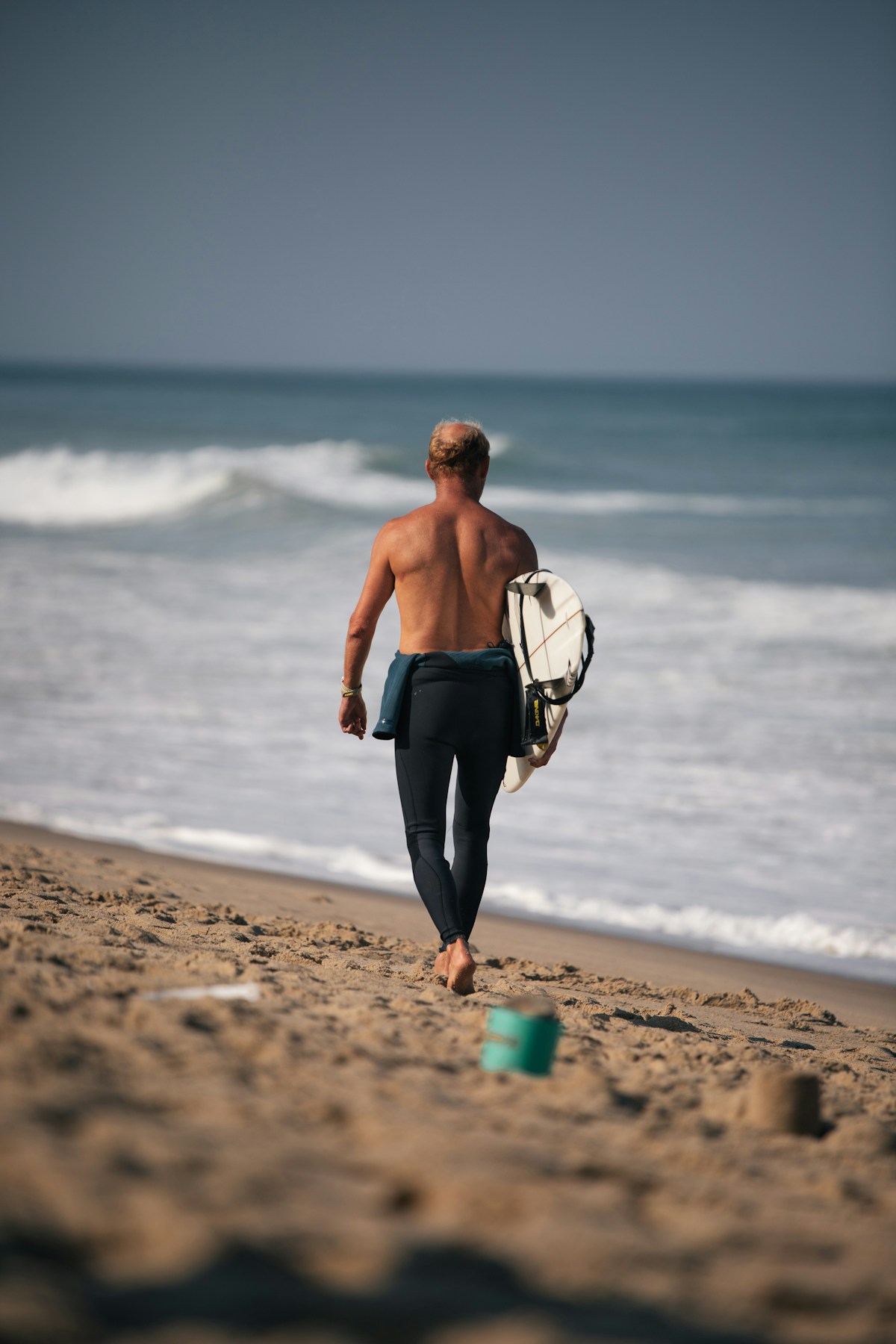
The biggest mistake most surfers make is rushing into the water. Experienced surfers spend time on the beach first — sometimes five, ten, even fifteen minutes — watching the ocean before they paddle out.
Here's what to look for during your beach observation:
Where Are Waves Breaking?
Waves don't break randomly. They break where the ocean floor gets shallow enough to cause the wave energy to pitch forward. At most breaks, there are specific zones — peaks — where waves consistently start to break. These peaks might shift slightly with the tide, but they tend to stay in the same general area.
Watch for at least three or four sets and identify the primary takeoff zone. Where does the first wave of each set break? Where does the biggest wave break? Is there a secondary peak that's less crowded?
Which Direction Are Waves Breaking?
Every wave breaks in a direction — left, right, or both (an A-frame peak). From the beach, watch how the shoulder of the wave peels after the initial break. This tells you which direction you'll be surfing once you're up.
Some spots are predominantly lefts or rights. Others offer both depending on the peak you choose. Knowing this before you paddle out means you'll position yourself on the correct side of the peak from the start.
How Consistent Are the Sets?
Count the time between sets. This is your set interval — and it's critical for both getting out and catching waves. If sets are rolling in every eight minutes with three waves per set, that gives you a clear window to paddle out between sets and tells you how patient you'll need to be in the lineup.
Where's the Channel?
The channel is the deeper water where waves don't break — it's your highway to the lineup. Identify it from the beach by looking for the area with the flattest, calmest water between breaking zones. Paddling out through the channel saves enormous energy compared to fighting through the impact zone.
In the Water: What Makes a Good Wave?
Once you're in the lineup, you need to quickly evaluate each approaching wave and decide: is this one worth going for? Here are the characteristics that separate a great wave from a frustrating one.
The Shoulder Tells the Story
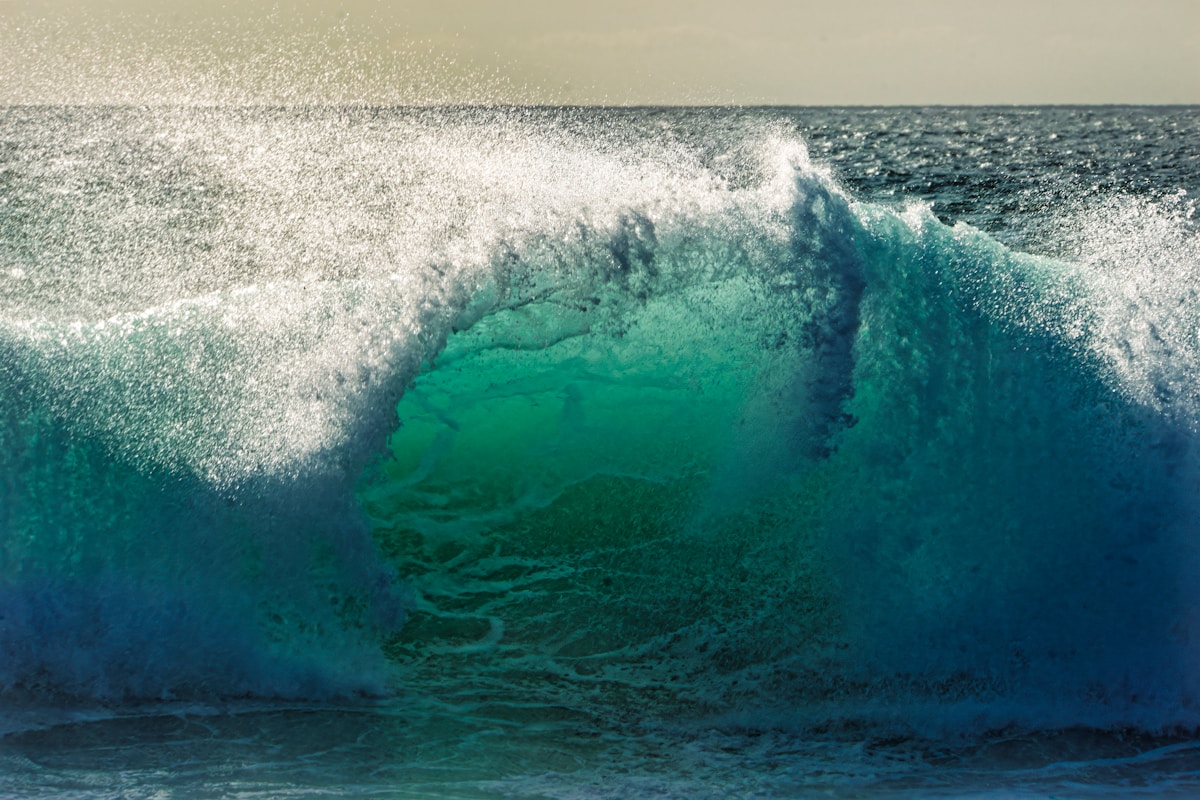
The most important part of an approaching wave isn't the peak — it's the shoulder. The shoulder is the unbroken section of the wave that stretches out from the breaking point. A long, tapered shoulder means a long, makeable ride. A short or steep shoulder means the wave is likely to close out quickly.
When you see a wave approaching, resist the urge to stare at the steepest part. Instead, look down the line. Ask yourself: Is there somewhere for me to go once I'm up?
A wave with a clean, gradually steepening shoulder will give you time to bottom turn, set your line, and generate speed. A wave that walls up all at once — where the entire face goes vertical simultaneously — is going to slam shut on you no matter how fast you are.
Reading the Peak
The peak is where the wave first starts to break, and it's your optimal takeoff point. Being at the peak gives you priority (you're deepest — which matters for lineup etiquette), maximum wave energy for the takeoff, and the longest possible ride.
Here's the key insight: the peak of a wave moves. As a swell line approaches, the peak will hit the shallowest part of the reef or sandbar first. On some waves, that peak is obvious and well-defined. On others, the peak is wide and soft, which means multiple surfers can take off in different spots.
Learning to identify the peak early — before other surfers do — is what allows you to position yourself in the ideal spot. The surfer who reads the peak first starts paddling first, and that head start often makes the difference between catching the wave and missing it.
Wave Shape and Steepness
Not all waves of the same height are equal. A four-foot wave with a steep, hollow face is a completely different ride than a four-foot wave with a gentle, rolling face.
Steeper waves are easier to catch (the energy picks you up faster) but harder to ride (you need to get to your feet quickly and make a fast bottom turn). Gentler waves require more paddling effort to catch but give you more time once you're up.
As you progress, you'll develop preferences. But at any level, the wave you should be looking for is one that matches your current ability. There's no shame in picking the gentler wave if it means you'll actually make the drop and get a fun ride instead of wiping out on the steeper one.
Working on your surf technique? Partner with Neptune on iPhone and Apple Watch.
Get the free appSet Waves vs. In-Between Waves
Understanding set patterns is one of the most practical wave-reading skills you can develop.
The Anatomy of a Set
Waves arrive in sets — groups of larger waves separated by lulls of smaller or no waves. A typical set might have three to five waves, followed by a quiet period before the next set arrives.
Here's what most surfers get wrong about sets: they treat every wave in a set equally. They don't.
The first wave of a set is often the smallest. The second or third wave is frequently the largest and best-shaped. The last wave in a set is often the steepest but may close out because the water is churned up from the waves before it.
This is a generalization — every spot and every swell is different. But paying attention to which wave in the set tends to be best at your break on any given day gives you a massive advantage.
The Patience Game
Here's the strategic element: if you paddle for the first wave of every set, you'll catch plenty of waves — but they'll often be the worst waves in the set. Meanwhile, the patient surfer who lets the first wave go, repositions slightly, and takes the second or third wave gets a significantly better ride.
This is hard to do. When a wave approaches and it looks rideable, everything in your body says go. But discipline in wave selection pays off enormously. One great wave is worth five mediocre ones.
That said, don't become so selective that you sit and watch all day. There's a balance. If you haven't caught a wave in twenty minutes, lower your standards and take what comes. You learn more from surfing than from sitting.
Reading the Lulls
The lull between sets is just as important as the sets themselves. Use lulls to:
- Reposition: Drift back to the peak if the current has pulled you off it.
- Rest: Stop paddling and conserve energy for when it counts.
- Observe: Watch where other surfers catch waves and how they position themselves.
- Look outside: The best surfers are constantly scanning the horizon during lulls, looking for the first sign of the next set.
Positioning: Being in the Right Place
Wave selection isn't just about picking the right wave — it's about being in the right place to catch it. The best wave in the world is useless if you're fifty yards from the peak when it arrives.
The Lineup Triangle
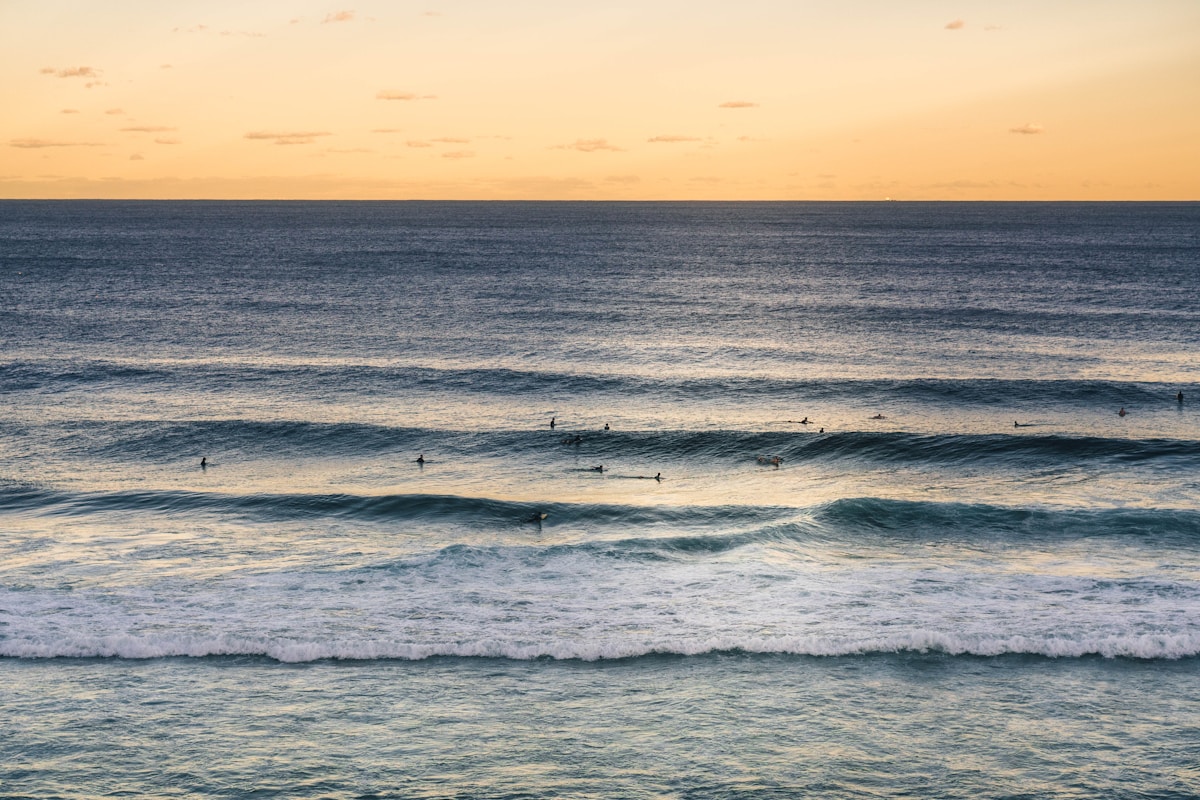
Think of your positioning as a triangle with three reference points: two landmarks on shore (a building and a tree, a lifeguard tower and a parking structure) and one reference point in the water (the edge of a reef, a buoy, or the consistent foam from where waves break). By lining up these three points, you can maintain your position even as currents push you around.
When you catch yourself drifting — and you will, because currents are relentless — use your landmarks to paddle back into position during the lulls.
Depth Positioning
Your distance from shore matters as much as your lateral position. Sitting too far outside means waves will pass under you without breaking. Sitting too far inside means they'll break on your head.
The sweet spot is just inside where the waves start to feather — where you can see the top of the wave start to go translucent and white just before it pitches. This puts you in position to catch the wave with two or three hard paddle strokes rather than sprinting from too far out.
Watch the better surfers in the lineup. Note where they sit relative to the breaking waves. That's your target zone.
Common Wave-Reading Mistakes
Even experienced surfers fall into these traps. Being aware of them will help you catch better waves from day one.
Chasing Every Wave
If you paddle for every wave that comes near you, you'll burn your energy in the first thirty minutes and spend the rest of the session too tired to catch the good ones. Be selective. Let the mediocre waves go.
Ignoring the Shoulder
Many surfers judge a wave only by its height or how steep the face looks at the peak. But the wave's quality is determined by the shoulder. Always look down the line before committing.
Not Adjusting for Tide
The same break can produce completely different waves at different tides. As the tide rises, waves tend to break further inside and with less power. As it drops, waves break further out and can get hollower. If you've been sitting in the same spot for two hours, you may need to adjust your position as the tide changes.
Following the Crowd
Sitting where everyone else sits feels safe, but it often means you're fighting for scraps. Sometimes the best waves are at the secondary peak where nobody's sitting. Use your beach observation to identify these less-crowded peaks.
Going on Waves That Are Already Breaking
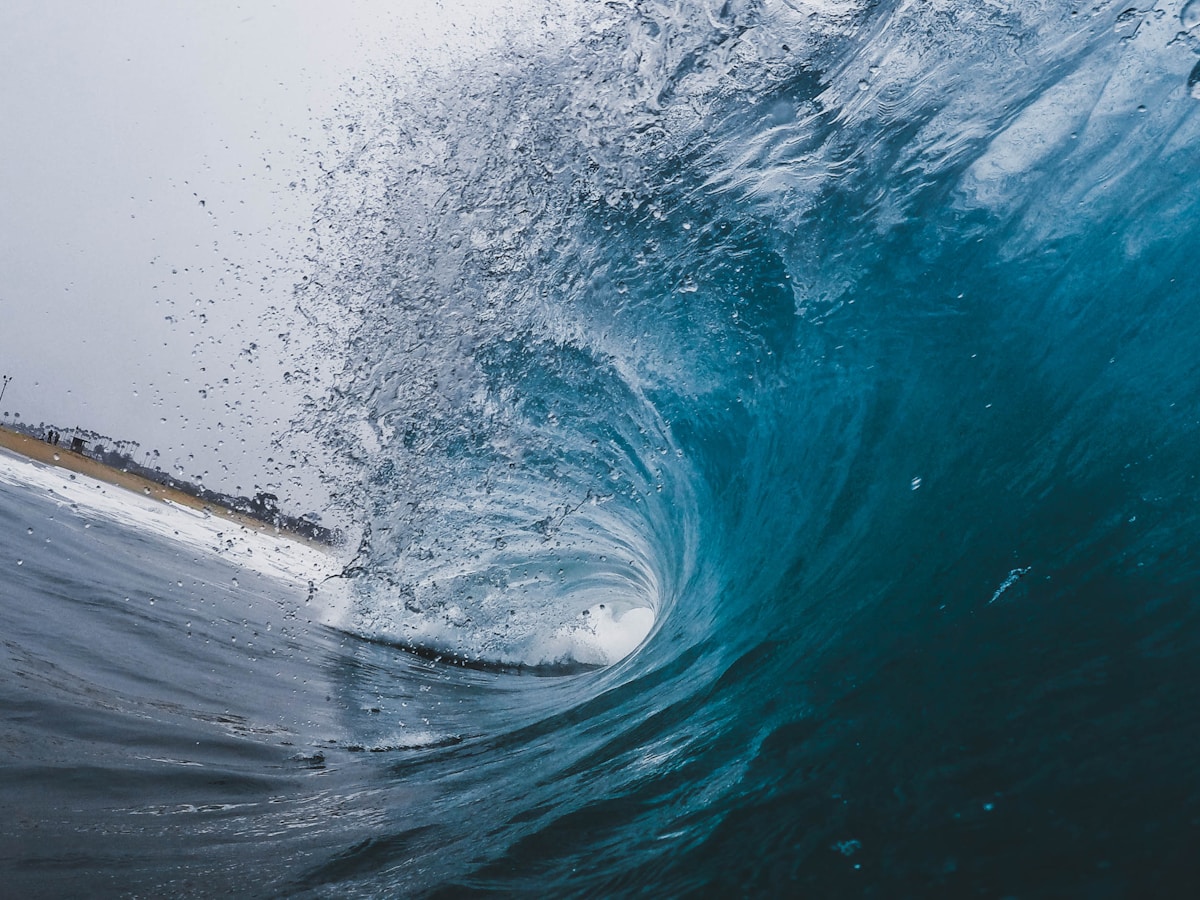
If the whitewater has already reached you before you start paddling, the wave has already passed its rideable point at your position. You need to be ahead of the break, catching the wave as green, unbroken water.
Building Your Wave-Reading Skills
Like any skill, reading waves improves with deliberate practice. Here's how to accelerate your learning:
Keep a surf journal. After each session, note the tide, swell direction, swell period, and what you observed about the waves. If you're not sure what those forecast numbers mean, our guide on how to read a surf forecast breaks it all down. Over time, you'll build a mental model of how your home break works under different conditions.
Watch from the beach regularly. Even on days you don't surf, spend fifteen minutes watching the ocean. The more you observe, the faster your pattern recognition develops.
Study video. Watch surf clips — not for the tricks, but for the takeoff. Where did the surfer position themselves? When did they start paddling? What did the shoulder look like on the waves they chose?
Surf the same break repeatedly. Every spot has its quirks. The more you surf one break, the better you'll read its specific patterns. Resist the urge to constantly chase new spots before you've truly learned your home break.
Use technology. Apps like Neptune can help you correlate conditions (swell height, period, direction, wind, tide) with your session quality. Over time, you'll learn exactly which conditions produce the best waves at your breaks — so you can show up when the ocean is doing what you want.
The Compound Effect of Better Wave Selection
Here's why this matters more than almost any other skill you can develop: wave selection compounds.
When you catch better waves, you get longer rides. Longer rides mean more time practicing turns and building muscle memory. More practice means faster progression. Faster progression means you can handle steeper, more powerful waves — which opens up even better wave selection options. (For more on building that progression system, see the five habits of surfers who improve fast.)
Meanwhile, the surfer who catches every mediocre wave gets short, frustrating rides, builds bad habits from fighting closeouts, and wonders why they aren't progressing.
One session of catching five great waves will teach you more than a session of catching fifteen poor ones. That's the power of wave selection — and it starts with learning to read the ocean.
Take your time. Watch the water. Let the wrong waves pass. And when the right one comes, paddle with everything you've got.
Read it. Then take it to the water.