How to Master the Off-the-Lip

Neptune
April 28, 2026
What an Off-the-Lip Actually Is
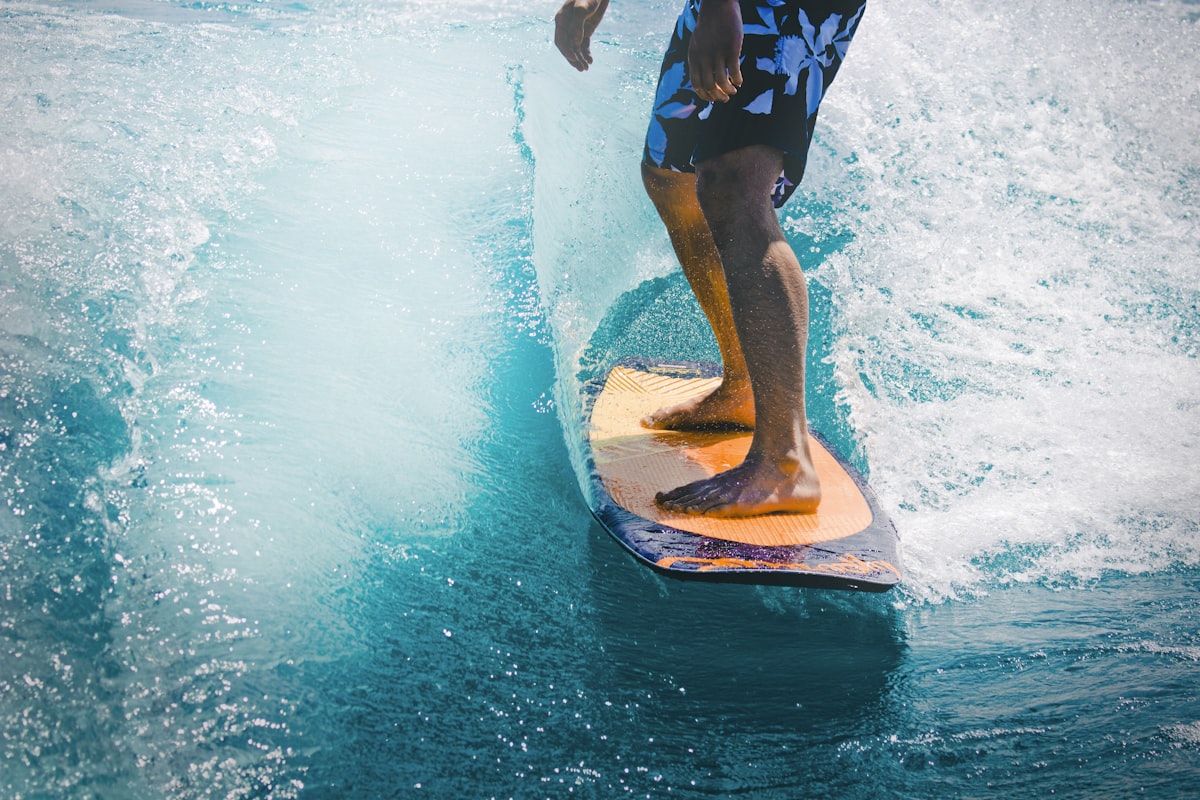
Drive up the face and hit the lip as it breaks. That is the off-the-lip.
It is timing and commitment. Get those right and the wave does most of the work.
This guide breaks the maneuver down into the components that matter, in the order you should learn them, with the troubleshooting you'll need when things go wrong.
The Anatomy of an Off-the-Lip
Before you can perform the move, you need a clear mental model of what's happening. An off-the-lip has four phases:
- Setup turn — A bottom turn that aims you back up the face, not down the line.
- Drive up the face — Compressed stance, weight forward, eyes locked on the section.
- Pivot at the lip — Unweight, throw the upper body, redirect the board off the breaking section.
- Rebound and recover — Land in trim, absorb the drop, set the next line.
Each phase has its own technique. Skip one and the whole move falls apart. Most surfers fail at phase 1 (wrong setup angle) or phase 3 (no commitment), which is why those two phases get the most attention below.
The Wave Section You're Looking For
You can't off-the-lip on every part of every wave. You need a section that is steepening but not yet crumbling — a piece of wave with vertical face and a lip that is throwing forward but hasn't fully fallen. This is sometimes called a "ramp" or a "pocket section."
Beach breaks are the easiest place to find these sections because the bottom is constantly shifting and waves throw open faces in predictable ways. Reef and point breaks offer cleaner, longer ramps but the timing is less forgiving. If you're learning, find a 3-to-5-foot beach break with some punch and you'll get more attempts per session than anywhere else.
Phase 1: The Setup Bottom Turn
The off-the-lip is won or lost on the bottom turn. If you set up correctly, the rest is almost automatic. If you don't, no amount of effort at the top will save you.
The Common Mistake
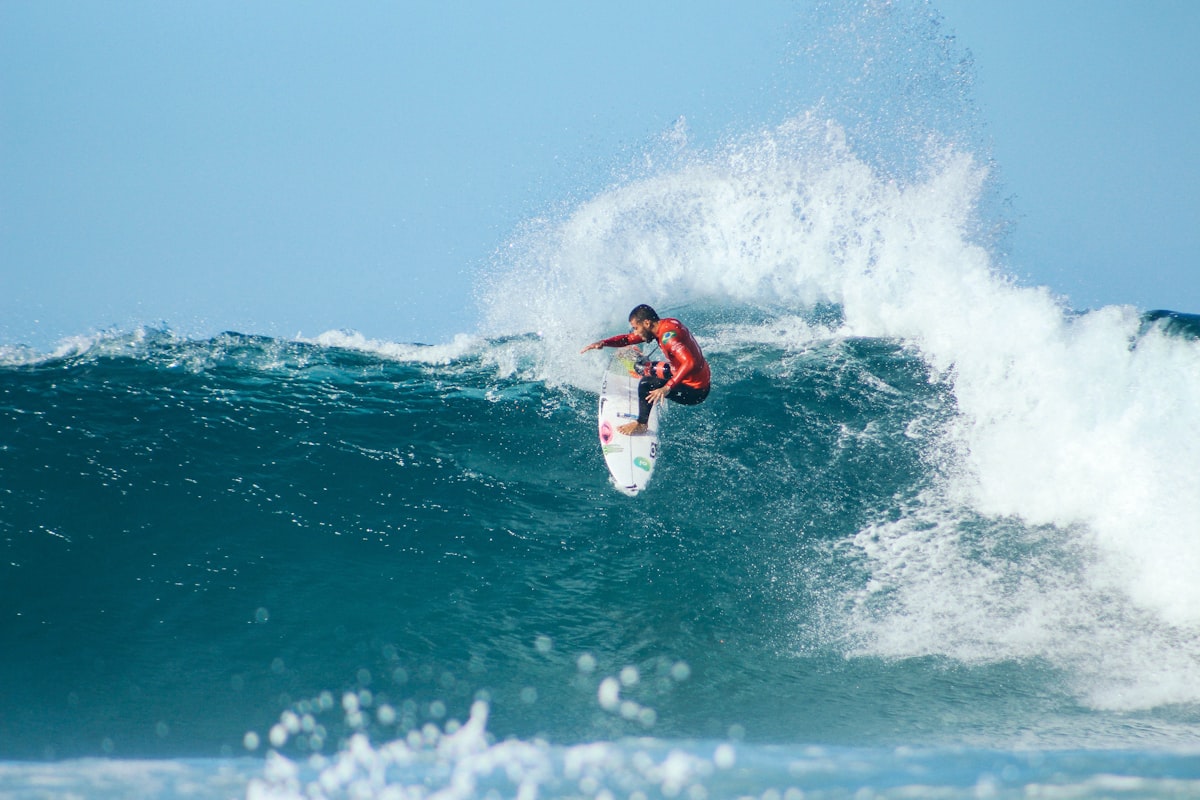
Most surfers do a bottom turn that aims them down the line — parallel to the beach, hunting speed for the next section. That's the wrong turn for an off-the-lip. A down-the-line bottom turn delivers you to the shoulder, where the wave is fat and there's no lip to hit.
The Correct Setup
For an off-the-lip you need a redirected bottom turn — one that aims your board back up the face at roughly a 45-to-60-degree angle. Imagine the wave face is a clock and you're at 6 o'clock at the bottom of your turn. A down-the-line turn aims you at 3 o'clock. An off-the-lip setup aims you at 1 or 2 o'clock — high, steep, and toward the breaking section.
To do this:
- Look up the face, not down the line. Your eyes drag your shoulders, your shoulders drag your hips, your hips drag the board.
- Lean harder on your inside rail. A shallow bottom turn produces a shallow setup. A committed, low, leaned-over bottom turn produces a steep redirect.
- Use the speed you have, not the speed you wish you had. You don't need to be flying. You need to be turning hard.
A good drill: pick a wave where you'd normally just go straight down the line, and instead force yourself to bottom-turn back up at a section. You'll feel awkward and slow. That awkwardness is the move you've been missing.
Phase 2: The Drive Up the Face
Once you've redirected, the next phase is brief but technical. You're climbing the face under control. Two things matter here.
Compressed, Forward Stance
Stay low. Bend your knees deeply and keep your weight slightly forward — over your front foot. Surfers who stand up tall during the climb lose all their drive at the top because their weight is back over the tail and the board is dragging.
The image to hold in your head: you're a coiled spring being loaded. Knees bent. Hips closed. Eyes up.
Eyes Lock the Target
This is the single most under-coached part of the maneuver. Your eyes should be locked on the exact section you're going to hit before you've even finished the bottom turn. Surfing is a target sport. You go where you look. Beginners look at the water in front of the board; intermediates look down the line; surfers who can off-the-lip are looking at the section they're about to attack.
Pick a feature on the lip — a piece of foam, a bend in the curl — and stare at it. Your body will steer there.
Phase 3: The Pivot
This is the part everyone wants to talk about, but it only works if phases 1 and 2 were done correctly. The pivot at the top has three simultaneous components.
Working on your surf technique? Partner with Neptune on iPhone and Apple Watch.
Get the free appUnweight at the Lip
As you reach the top of the face, you need to momentarily reduce the pressure your weight puts on the board. This isn't a jump — it's an extension. Stand a little taller, releasing the load from your legs. This frees the board to pivot. If you stay heavy, the board is pinned to the water and won't rotate.
Think of it like driving a car over a speed bump. You don't lift off the seat — you just let the suspension extend.
Throw the Upper Body
This is where commitment lives. As you unweight, throw your leading shoulder and arm down the face — back toward the bottom of the wave. Your upper body initiates the rotation; the board follows.
This is the moment that scares surfers. You're at the top of a breaking wave with the lip about to land on you, and the correct response is to throw yourself harder into the breaking section. Hesitation is the killer. A half-committed off-the-lip almost always ends in a wipeout because you stall at the top, the lip catches you, and you go over the falls. A fully committed one usually works even when the timing is off.
A coaching cue I give myself: "Throw it like you mean it." If you don't believe you're going to land, you won't.
Drop the Trailing Foot
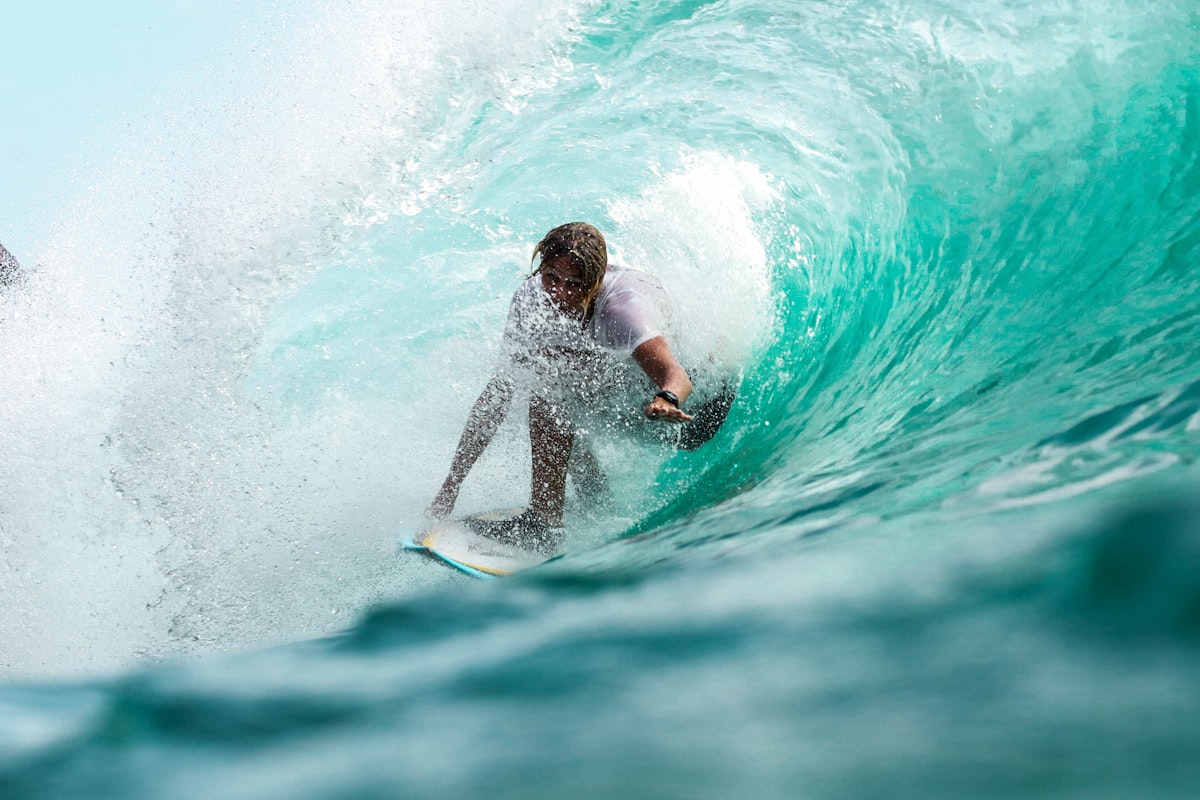
As your shoulder leads down the face, your back foot drives the tail of the board around. This is the actual pivot — the back foot stomps and the board snaps. On a shortboard, this is where the fins release and the board is briefly skidding sideways before re-engaging. That release is what creates the shower of spray you see in photos.
If you've never felt your fins release, that's why your snaps look soft. The release isn't a loss of control — it's the entire point.
Phase 4: Rebound and Recovery
You're now coming back down the face, often nearly weightless for a fraction of a second, with the lip throwing behind or onto your board. Three things to focus on.
Eyes Forward and Down
As soon as the pivot starts, your eyes should already be tracking where you're going to land — usually a flat or trimmed line on the shoulder, sometimes back into the pocket if you're stringing maneuvers together.
Absorb the Drop
When you land, your knees should immediately bend deeply to absorb the impact. Stiff legs at the landing send the board out from under you. Soft, deep absorption keeps you connected and gives you the speed you need for the next section.
Set the Line Immediately
The recovery isn't an afterthought — it's the setup for whatever comes next. Land with your weight slightly forward and your inside rail engaged. Now you're in trim, generating speed, and ready for the next section.
Common Failure Modes (And How to Fix Them)
"I get to the top but the wave passes under me."
Your bottom turn aimed you too far down the line. You're catching the shoulder, not the section. Fix: redirect harder and earlier.
"I hit the lip but bog and fall forward."
You stayed heavy through the pivot. Fix: extend (unweight) at the lip — taller, not lower.
"The lip lands on me and I get pitched."
Your timing is late. You hit the lip after it had already started throwing rather than as it was throwing. Fix: start your bottom turn one beat earlier and read the wave further ahead.
"My snap looks soft — no spray, no release."
You're not throwing your shoulder hard enough, or your back foot isn't stomping. Fix: commit harder. The maneuver is binary — full commitment or none.
"I land and my board slides out."
Stiff legs on landing, or weight too far back. Fix: bend deeply and reset weight slightly forward as you land.
How to Practice (When You're Not in the Water)
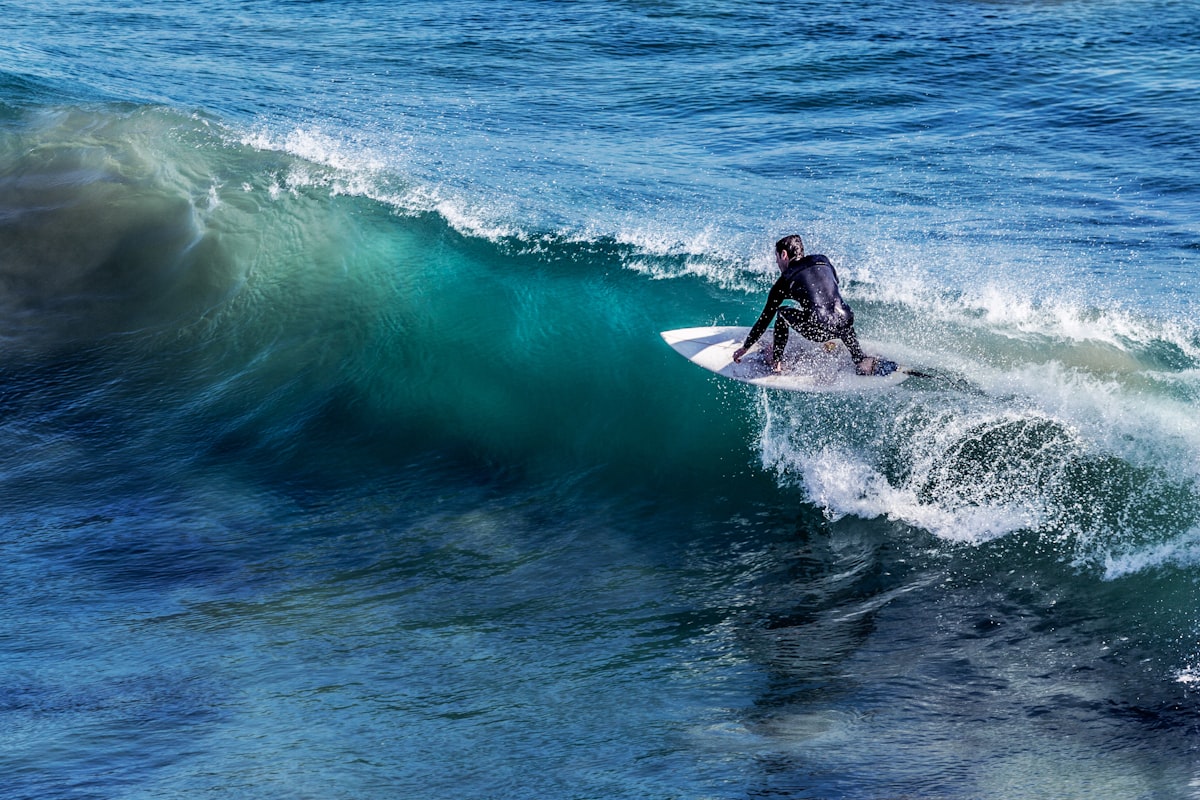
You can't practice an off-the-lip without surf — but you can train the muscle patterns and eye discipline.
On a Surfskate or Skateboard
This is the single best dry-land training tool. A surfskate (Carver, YOW, Smoothstar) lets you simulate the redirect of a bottom turn and the upper-body throw of a snap. Find a small driveway ramp or a curved transition and practice driving up, throwing the shoulder, and pivoting back down. The motion pattern is almost identical.
Visualization
Before paddling out, watch one or two clips of a surfer doing clean off-the-lips at a similar break to where you're surfing. Watch the bottom turn angle. Watch where their eyes go. Watch the timing of the unweight. Then close your eyes and rehearse the move three or four times in your head. Visualization isn't woo — it pre-loads the motor pattern so your body has something to fall back on under pressure.
Mobility for the Pivot
The off-the-lip requires hip rotation, ankle mobility, and thoracic spine rotation. Tight hips and a stiff upper back make the throw impossible. A simple weekly routine of 90/90 hip drills, deep squat ankle mobility, and open-book thoracic rotations will pay off in the water faster than any extra paddling will.
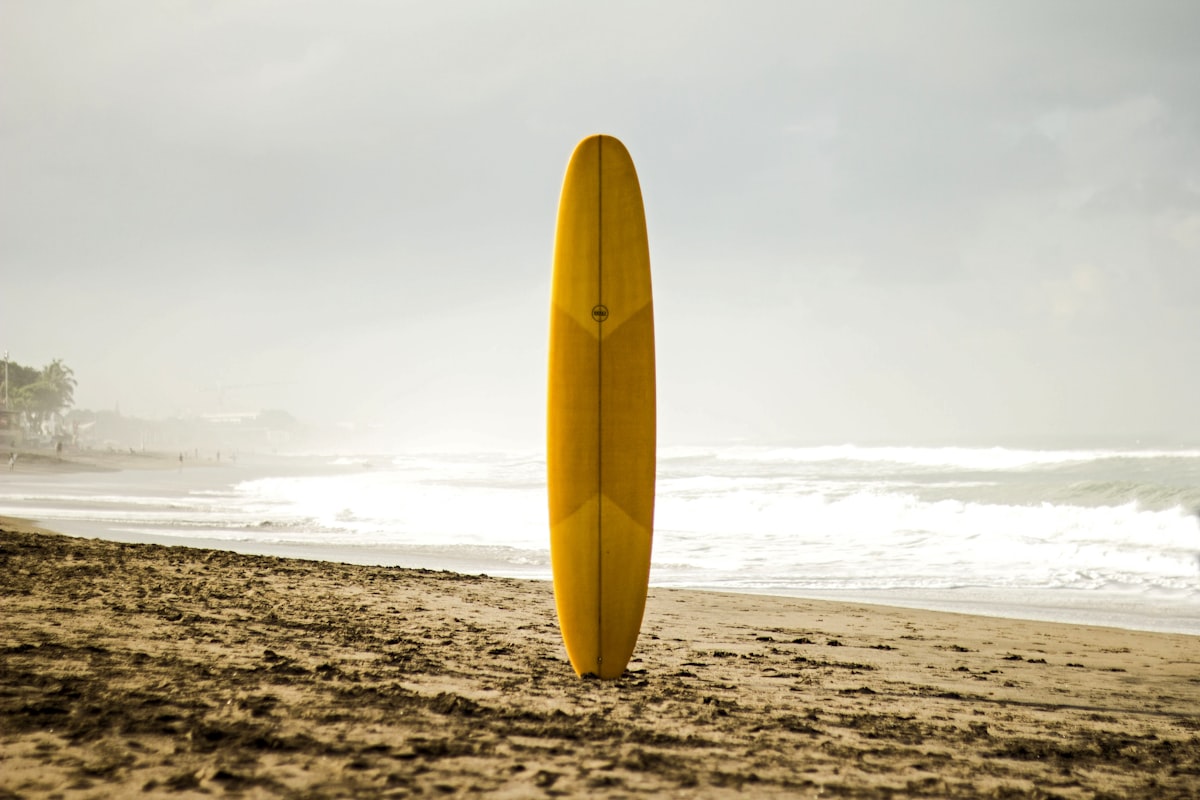
Equipment Notes
You can off-the-lip on almost any board — but some make it harder than others.
- Shortboards (5'8" to 6'4") are designed for this maneuver. Responsive, easy to pivot, fins release cleanly.
- Fish and grovellers can snap, but the wider tail and looser fins mean you'll need to be more committed and the board won't reward sloppy footwork.
- Mid-lengths and longboards are not built for vertical snaps. You can do a top turn — closer to a redirect than a snap — but the board's volume and length resist the pivot.
- Twin fins release more easily than thrusters and feel skatey at the lip — fun once you have the timing dialed, harder to learn on.
If you're learning the off-the-lip and you've been on a 7'0"+ board, drop down to a shortboard for a session and you'll feel the difference instantly. The maneuver suddenly becomes possible because the board wants to do it.
How Long This Takes
Be honest with yourself about timeline. From "I can do a clean bottom turn and trim" to "I can land an off-the-lip on demand" is usually 6 to 18 months of consistent surfing. The first time you stick one is almost always an accident — you commit to a section that looked impossible, throw your shoulder out of self-preservation, and somehow land. That moment is the unlock. Once your body knows what success feels like, you can repeat it.
In the meantime, expect a lot of failures. Wipeouts on attempted off-the-lips are part of the learning curve. They are also, statistically, lower-consequence than wipeouts on aerials or barrel attempts because you're at the top of the wave going up — when you fall, you usually just slide down the face.
A Final Thought on Commitment
If there's one thing to take away, it's this: the off-the-lip rewards commitment more than skill. You can have perfect technique and a beautiful setup, but if you flinch at the lip you will not land it. You can have ugly, raw form, but if you throw yourself fully into the section, the wave will often reward you with a landing you didn't deserve.
That's the move's deeper lesson — and arguably, the deeper lesson of surfing itself. Most of the maneuvers that feel impossible become possible the moment you stop hedging. Pick the section, lock your eyes on it, throw your body at it, and trust that you'll figure out the landing on the way down.
You will, eventually. And the first time the lip explodes off your tail in a wall of spray and you ride out of it clean, you'll understand why surfers spend their whole lives chasing this single moment.
Now go find a steep section, set the line, and throw it.
Read it. Then take it to the water.