How to Order a Custom Surfboard From a Shaper: The Complete Guide

Neptune
June 2, 2026
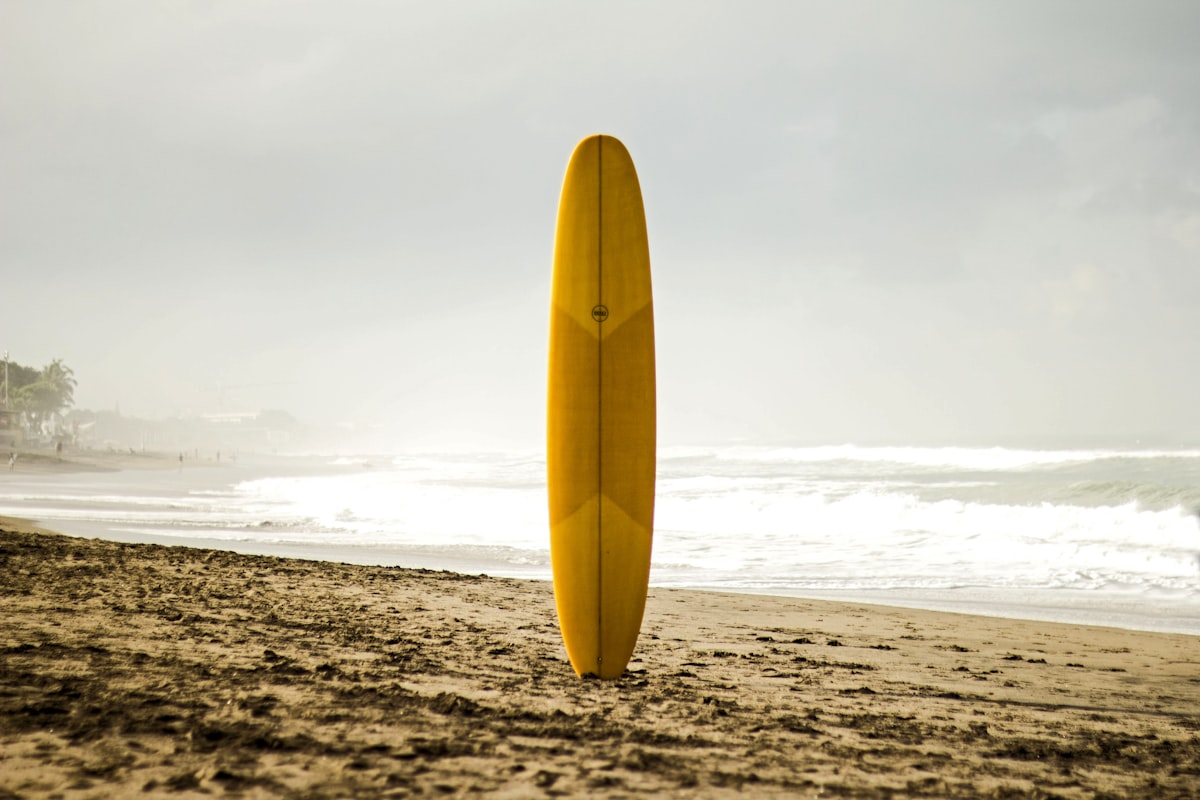
Why Order Custom in the First Place
A rack board is designed for an idea of a surfer. A custom board is designed for you.
When you pull a board off a shop wall, you're inheriting compromises made by someone who has never seen you surf. The volume is averaged across a body-weight range. The rocker is averaged across wave shapes. There's nothing wrong with that — millions of great waves get ridden on stock boards every year — but it's a guess that landed near the middle.
A custom board is the opposite. It begins with a conversation. The shaper asks how much you weigh, how long you've been surfing, what waves you ride most often, and what's working and what isn't on your current board. Then they shape foam to match those answers. The board you pick up has dimensions that exist nowhere else in the world.
The difference shows up in the water. Custom boards paddle into waves you used to miss, hold lines you used to slide off, and feel like they're reading your mind — because, in a sense, they were built from a model of it.
This guide walks through the entire process: choosing a shaper, preparing for the consultation, briefing them effectively, deciding on every dimension, what to expect during the build, and how to dial in a new board once it's under your feet.
Step 1: Choosing the Right Shaper
The single most important decision in this whole process is who you order from. A great shaper with a clear vision will build you a better board off a one-paragraph brief than a mediocre shaper will after a six-hour interview. Picking well matters.
What to look for
Three things matter more than reputation, more than Instagram, more than how famous their team riders are:
- They shape the kind of board you want. Some shapers specialize in high-performance shortboards. Others live in the longboard world. Others are wizards with mid-lengths or fish or twin fins. A great shortboard shaper may build a mediocre longboard, and vice versa. Match the shaper to the category.
- They shape boards for your local conditions. A shaper based in cold, gutless beach breaks will have different default instincts than one shaping for warm, hollow point breaks. The closer their typical proving ground is to yours, the less you'll need to argue against their defaults.
- They listen. Find someone whose first move is to ask questions, not pitch you a board they already had in mind. The best shapers treat the consultation as data collection.
How to research
Ask local shop staff — not "who's the best shaper" but "who shapes the boards you personally ride." That second question gets you past the brand they're paid to promote. Cross-reference with surfers in the water. If you see someone in your size range surfing well on a board you'd want to ride, paddle over and ask who made it.
Once you have two or three names, visit their factory if you can. A shaper who treats every board like it matters is signaling something about your future board, too.
Step 2: Doing Your Homework Before the Consultation
The single biggest mistake first-time custom buyers make is showing up unprepared. The shaper can't read your mind. The more specific information you can provide, the better the result.
Bring this with you to the consultation, written down or photographed:
Your physical specs
- Height and weight. Exact, not estimated. Weight matters enormously for volume calculation, and a five-pound miss creates a noticeably wrong board.
- Age and fitness level. A 25-year-old hitting the gym five days a week and a 55-year-old returning from a back injury need different boards even at identical weights.
- Foot size and stance width. This affects how much board you need under your feet and where the wide point sits.
Your surfing history
- How long you've been surfing.
- How often you surf in a typical week.
- The waves you ride most often (size range, wave type, wind tendency).
- The waves you wish you could ride better.
Your current quiver
Photos of your existing boards with the dimensions written on the stringer. The shaper will use these to understand what your body has learned to ride.
For each board, note:
- What you like about it
- What you don't like about it
- The waves where it works
- The waves where it falls apart
This is gold. A shaper can extrapolate from "my 5'10" works great in chest-high beach breaks but feels stuck above shoulder-high" far better than from "I want a new shortboard."
Your goals
What do you want the new board to do that nothing in your quiver currently does? Be specific. "Catch more waves on small days" is useful. "Surf better" is not.
Step 3: The Consultation
A first consultation usually runs thirty minutes to an hour. Good shapers will let you talk, ask clarifying questions, and sketch as you go. Here's what to expect — and how to make the most of it.
Let the shaper lead the diagnosis
If they're worth their salt, they'll begin with open questions: what waves you ride, what your current quiver does well and poorly, what you're trying to accomplish. Resist the temptation to walk in and dictate dimensions. You may have read every surfboard volume article on the internet, but the shaper has built a thousand boards and watched them succeed and fail in the water. Trust the process.
Working on custom shape? Get personalized tips from Neptune's AI coach.
Try FreeBe honest about your level
It's tempting to oversell your ability. Don't. A shaper building you a board for a surfer you wish you were will hand you a board you can't actually ride. Describe your real surfing — how often you make sections, how late you can take off, how comfortable you are on the rail — and let them build for that. You can always order a higher-performance board later.
Discuss the wave model
A good consultation includes an explicit conversation about what wave the board is designed for. "Mostly chest-to-head beach breaks, occasionally overhead, fast-breaking, with some lulls" is a different brief than "knee-to-waist mush in the summer." The same surfer might end up with two completely different boards.
Settle the big four
By the end of the conversation, you should have aligned on length and width, thickness and volume, rocker, and outline and tail shape. If any still feel hand-wavy when you leave, ask for clarification. You don't need to memorize every measurement, but you should understand the reasoning.
Step 4: Choosing Dimensions and Details
This is where it gets technical. Don't let it intimidate you — the shaper will guide every choice. But it helps to understand what each decision affects.
Length
Longer boards paddle faster, glide further between pumps, and feel more stable. Shorter boards turn tighter, fit in steeper pockets, and respond more aggressively. For most intermediate-to-advanced surfers, the right length sits within an inch or two of their existing daily driver. Going dramatically longer or shorter is a separate conversation.
Width
Wider boards plane on weaker waves and feel more stable. Narrower boards are easier to put on rail and hold in critical sections. For an all-around shortboard, expect something in the 18.5" to 20" range; performance shortboards often run narrower, while step-ups can be wider for paddle power.
Thickness and Volume
Volume is the master variable. It controls paddling, float, and recovery from mistakes. Modern shapers express volume in liters, and there are widely used charts that suggest a volume range based on body weight and surfing level. As a rough guide, a fit intermediate at 165 pounds might land around 28–30 liters for an everyday shortboard, more for smaller waves, less for performance days. Your shaper will give you a specific number — and getting that number right is the single most important spec on the board.
Rocker
Rocker is the curve from nose to tail when you look at the board from the side. More rocker fits steeper, hollower waves and pivots tighter, but kills paddle speed and glide. Less rocker paddles faster and connects flat sections, but bogs in vertical waves. Your shaper will choose a profile based on the wave model you've described.
Outline
The outline is the curve of the board when you look down at it from above. Straighter outlines hold drive down the line. More curved outlines turn tighter. Where the wide point sits — forward, centered, or back — changes how the board pivots.
Tail Shape
Squash tails are the modern all-arounder. Round tails hold through harder turns. Swallow tails (common on fish and twins) loosen the back of the board and reward rail-to-rail surfing. Pin tails control speed in big, fast waves. Each tail shape changes the board's personality more than people expect.
Fin Setup
Thruster (three fins), quad, twin, single, 2+1, or five-fin convertible — every option creates a different feel. If you're not sure, ask your shaper to glass in fin boxes that give you flexibility to experiment. Many shapers default to a five-fin setup so you can try the board as a thruster or quad.
Construction
PU (polyurethane) blanks with polyester glass are traditional — lively, naturally flexing, but ding-prone. EPS (expanded polystyrene) with epoxy is lighter, more durable, and livelier in weak surf, but feels different underfoot. Pick based on how you want the board to feel, not just durability.
Cosmetic Details
Once the structural decisions are made, you can talk color, logos, glass schedule, and finish. Heavier color work adds time and cost; finishes (matte, gloss, sanded) affect both look and feel.
Step 5: Understanding the Build Process
Once you've signed off on the order, the shaper goes to work. Most builds take four to twelve weeks depending on the shaper's backlog, the complexity of the board, and whether they shape and glass in-house or send out to a glasser.
The rough sequence: blank selection, shaping (by hand or CNC-then-finished), glassing (cloth and resin layers chosen for your weight and style), sanding and finishing, then fin install and final inspection. Don't pester the shaper for updates. A quick check-in at the halfway point and once a week in the final stretch is plenty.
Pricing expectations
Prices vary with shaper reputation, build complexity, and location. A solid working-shaper custom usually lands between $750 and $1200 in 2026 dollars. Boutique shapers, exotic construction, or heavy color work can push past $1500. Cheap shouldn't be the goal — the gap between a $700 board and a $1100 board is often the difference between a board you'll ride for two seasons and one you'll ride for ten.
Step 6: Picking Up the Board
When the call comes that the board is ready, take time on pickup. Don't just grab it and run.
Inspect it
Run your hands along the rails from nose to tail — they should feel symmetrical and smooth. Check the finish for deep gouges, soft spots, or bubbles. Sight down from the nose to confirm the rocker looks right. Confirm fin boxes are clean and undamaged. If something feels off, say so. Shapers stand behind their work and would rather fix it now than have you ride a board you don't trust.
Confirm dimensions and volume
Most shapers write the final shaped dimensions on the stringer near the tail. Verify they match what you ordered — tiny variations (an eighth of an inch) are normal, but anything bigger should be discussed. Ask for the final volume number too. Knowing it makes future orders far easier.
Step 7: The First Sessions
A new custom takes time to dial in. Don't judge the board on session one.
Surf it in the conditions it was built for
Boards reveal themselves in their intended habitat. If it's a step-up for overhead days, don't form an opinion in waist-high mush.
Bring multiple fin setups
If your board has five fin boxes, ride it as a thruster for a session, then swap to a quad. The same board can feel completely different. Take notes — physical or mental — on what each setup does.
Give it three sessions
Your old board is so encoded in your body that the first session on a new shape feels weird almost by default. By session three, your body has adapted. Hold judgment until then.
Talk to the shaper after the break-in period
Once you've put real water under the board, go back with feedback. The best shaper relationships compound over years — each new board incorporates everything you've both learned from the last.
Common Mistakes to Avoid
A few patterns sink a lot of first-time customs. Avoid them.
- Ordering a board for the surfer you want to be, not the one you are. A board too short, too thin, or too rockered for your current level will frustrate you out of the water before it improves your surfing.
- Overspecifying. If you walk in with a complete spec sheet you found online and refuse to let the shaper push back, you'll end up with someone else's idea of your board.
- Underspecifying. "Make me something cool" is not a brief. The shaper needs the inputs.
- Comparing to a friend's board. Their custom was built for their body and their waves. Yours needs to be built for yours.
- Quitting on the board too early. Three sessions minimum before you decide.
A Custom Mindset
Ordering custom is, in the best sense, a slow purchase. You talk to a craftsperson about how you want to feel in the water. You wait. You pick up an object that exists in only one copy on the entire planet. That's why surfers who go custom rarely go back — the board becomes part of an ongoing conversation between you, the shaper, and the ocean.
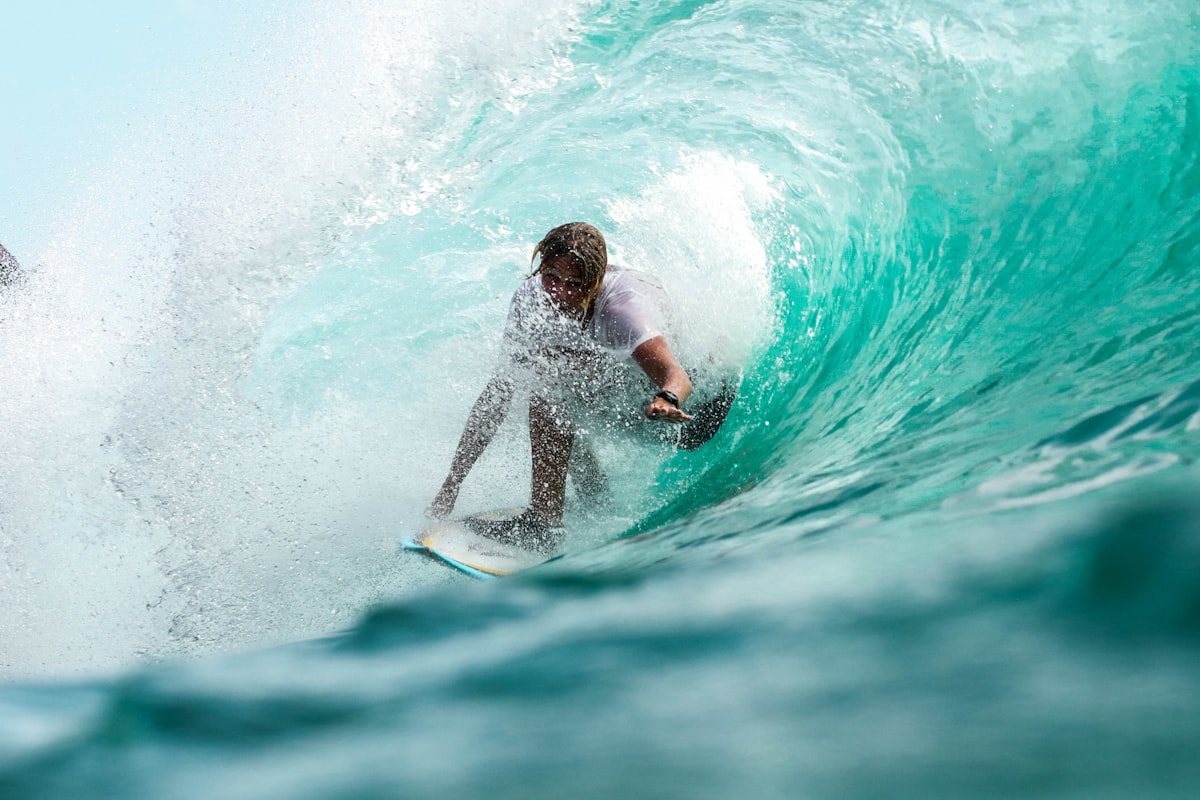
If you've never ordered custom before, start with a board that closely matches your current daily driver, just dialed in. Bring photos, notes, and honesty. Listen more than you talk. Then go ride it — and start the conversation that, over years, will produce the best boards of your life.
Want personalized coaching on custom shape?
Neptune's AI coach can help you improve faster with personalized feedback, session tracking, and real-time conditions.